
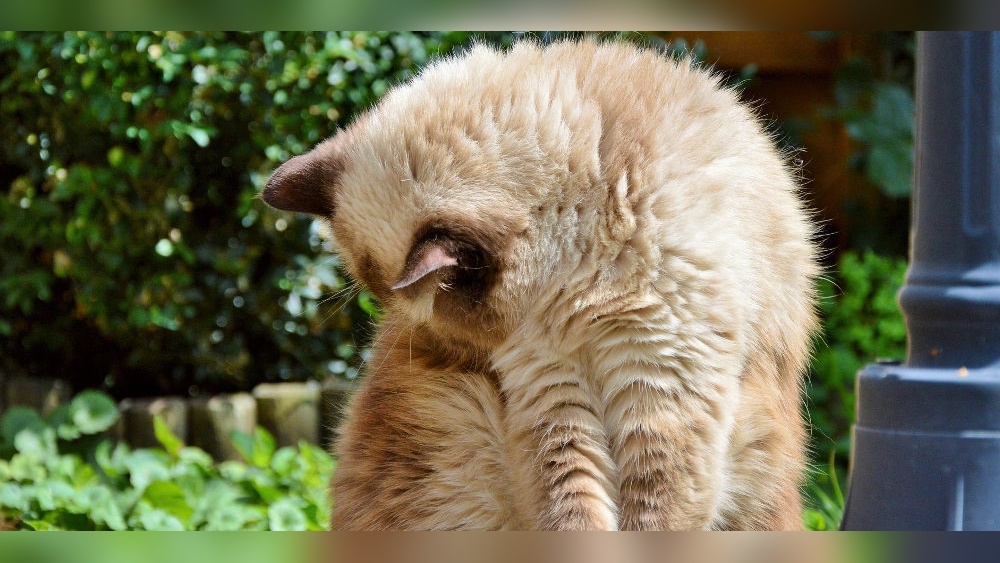
Have you noticed your older cat isn’t grooming itself like before? It’s a small change, but it can tell you a lot about your furry friend’s health and happiness.
When cats stop cleaning their fur, it’s not just about looking messy—it could mean something important is going on inside their body or mind. If you want to understand why this happens and what you can do to help, keep reading.
Your cat depends on you, and knowing the signs can make all the difference.
Why Grooming Matters
Grooming is more than just cleaning for cats. It plays a key role in their overall health and happiness. When older cats stop grooming, it can be a sign of health issues. Understanding why grooming matters helps pet owners spot problems early. It also shows how grooming affects a cat’s daily life and well-being.
Role Of Grooming In Cat Health
Grooming keeps a cat’s skin and fur healthy. It removes dirt, dead skin, and loose hair. This prevents skin infections and irritations. Grooming also helps cats control their body temperature. It spreads natural oils, keeping fur soft and shiny. When cats stop grooming, these health benefits disappear. This can lead to skin problems and discomfort. Grooming also reduces stress for cats. It calms them and helps them feel safe. Losing this habit may mean the cat feels unwell or stressed.
How Grooming Affects Appearance
A well-groomed cat looks neat and clean. Fur is smooth, shiny, and free of mats or clumps. Grooming prevents hair from tangling and falling out. When an older cat stops grooming, fur looks messy and dull. Mats can form, causing pain and skin damage. A lack of grooming can make a cat appear unhealthy or sad. This change in appearance can signal health problems to owners and vets. Regular grooming helps cats stay comfortable and look their best.
Common Causes For Grooming Decline
Old cats may stop grooming themselves for several reasons. Grooming is a key part of a cat’s routine. When this changes, it signals a problem. Understanding common causes helps you care for your senior cat better.
Age-related Physical Changes
As cats grow older, their bodies change. Arthritis makes moving painful. Reaching certain spots becomes hard. Their teeth may weaken, causing discomfort. These changes reduce grooming habits.
Health Issues Impacting Grooming
Illness can stop cats from grooming. Skin problems like infections or allergies cause pain. Dental disease may make licking hurt. Kidney or thyroid problems lower energy. All these affect grooming behavior.
Behavioral And Emotional Factors
Stress and anxiety impact grooming. Changes in environment or routine confuse cats. Depression or cognitive decline also reduce grooming. Loneliness or loss of a companion can stop grooming too.
Signs Your Cat Is Not Grooming
Older cats often slow down their grooming habits. This change can signal health or comfort problems. Spotting signs that your cat is not grooming helps you act fast. It protects your pet’s well-being and happiness.
Matted Or Dirty Fur
One clear sign is matted fur. Matted fur looks tangled and clumpy. It feels rough to touch. Dirt can build up in these mats. Your cat’s coat may look dull or messy. Lack of grooming causes this problem. It shows your cat might be struggling.
Unpleasant Odors
Bad smells coming from your cat’s fur are a warning. Healthy cats keep their fur clean and fresh. Smells mean dirt and oils collect on the skin. This can also come from wounds or infections. Notice any unusual odors and check your cat carefully.
Skin Problems And Irritation
Skin issues are common when cats stop grooming. Your cat might scratch more often. Redness, bumps, or sores can appear. Dry or flaky skin is another sign. These problems show your cat needs help. Ignoring them can worsen your cat’s health.

Credit: www.sandiaanimalclinic.com
Health Risks Of Poor Grooming
Poor grooming in old cats is more than just a change in behavior. It can lead to serious health problems. Grooming helps cats stay clean and healthy. Without it, their health may quickly decline. Understanding these health risks can help cat owners act fast.
Infections And Parasites
Old cats that stop grooming often develop dirty, matted fur. This creates a perfect place for bacteria and parasites. Fleas, ticks, and mites can hide in the fur and cause infections. Skin infections can cause redness, swelling, and pain. Untreated infections may spread and become dangerous.
Pain And Discomfort
Poor grooming can cause painful skin problems. Matted fur pulls on the skin and causes sores. Cats may feel itchy or sore and scratch a lot. This can lead to more skin damage. Pain makes cats less active and less willing to eat.
Impact On Overall Well-being
A cat’s hygiene affects its whole body. Dirty fur can lower a cat’s comfort and mood. Lack of grooming can signal health issues like arthritis or dental problems. Poor grooming can cause weight loss and weakness. A cat’s quality of life drops without proper care.
How To Help Your Senior Cat
Helping a senior cat that stops grooming is important for their health. Older cats may struggle to keep themselves clean. They can develop skin problems or feel uncomfortable. You can support your cat by taking simple steps to improve their well-being.
Regular Vet Checkups
Schedule regular visits to the vet for your senior cat. The vet can find health issues early. Problems like arthritis or dental pain may stop grooming. Treating these conditions can help your cat feel better. Keep vaccinations and parasite control up to date.
Assisting With Grooming
Help your cat with grooming at home. Use a soft brush to remove loose fur gently. Check for mats or dirty spots on their coat. Wipe your cat with a damp cloth if needed. Regular grooming prevents skin infections and improves comfort.
Creating A Comfortable Environment
Make your home easy for your senior cat to navigate. Provide soft bedding in warm, quiet places. Keep food, water, and litter boxes close and accessible. Avoid stairs or slippery floors that may cause pain or falls. A calm space helps your cat relax and stay healthy.

Credit: luckydawgsalongrooming.com
When To Seek Veterinary Advice
Old cats that stop grooming themselves may have health problems. Noticing this change is important for their well-being. Knowing when to seek veterinary advice can save your cat from suffering. Early action often leads to better care and treatment.
Urgent Warning Signs
Watch for sudden hair loss or skin wounds. Swelling, redness, or bad smell on the skin needs fast attention. If your cat stops eating or loses weight, act quickly. Lethargy or hiding more than usual can signal serious illness. These signs mean a vet visit is urgent.
Diagnostic Tests And Treatments
The vet will check your cat’s health and skin condition. Blood tests help find infections or organ problems. Skin scraping or biopsy may be needed to find the cause. Treatment can include medicine for infections or pain relief. Special shampoos or diets may help skin healing. Follow the vet’s advice closely for best results.

Credit: www.thedappercat.com
Frequently Asked Questions
Why Do Old Cats Stop Grooming Themselves?
Old cats may stop grooming due to arthritis, dental problems, or decreased energy. These health issues cause discomfort, making grooming painful or tiring. Lack of grooming often signals underlying medical concerns, so a vet check-up is important for proper diagnosis and treatment.
How Does Poor Grooming Affect Senior Cats?
Poor grooming in senior cats leads to matted fur, skin infections, and unpleasant odors. It can cause discomfort and worsen health issues. Regular grooming helps maintain skin health, comfort, and hygiene, improving your cat’s overall well-being and quality of life.
Can Stress Cause Older Cats To Stop Grooming?
Yes, stress or anxiety can cause older cats to stop grooming. Changes in environment, routine, or health can trigger stress. Stress affects behavior and self-care habits. Identifying and reducing stressors can help restore grooming habits and improve your cat’s mental health.
When Should I See A Vet About Grooming Changes?
See a vet if your older cat suddenly stops grooming or shows other symptoms. Early medical intervention can address pain, illness, or behavioral problems. Timely care helps prevent complications and supports your cat’s comfort and health.
Conclusion
Old cats stopping grooming often signals health or comfort issues. This change deserves attention and care from owners. Regular vet visits help catch problems early. Gentle help with grooming can improve your cat’s life. Watch for other signs like weight loss or lethargy.
A little care goes a long way for aging cats. Understanding their needs keeps them happy and healthy longer. Don’t ignore grooming changes; they matter more than you think.