
Have you ever noticed your cat licking itself more than usual? You might wonder, “Why does a cat over groom?” When your furry friend spends too much time cleaning, it’s not just a cute habit—it could be a sign of something deeper.
Understanding why your cat over grooms can help you protect their health and happiness. Keep reading to discover the surprising reasons behind this behavior and what you can do to help your cat feel better.
Signs Of Over Grooming
Signs of over grooming in cats reveal important clues about their health. Cats groom to stay clean and calm. But too much grooming can signal stress or illness. Spotting these signs early helps protect your cat’s well-being.
Behavioral Clues
Over grooming often shows in changes in behavior. Your cat may lick or bite the same spot repeatedly. This can last for minutes or hours. Cats might hide more than usual. They may seem restless or irritable. Watch for sudden changes in grooming habits. These clues suggest discomfort or anxiety.
Physical Symptoms
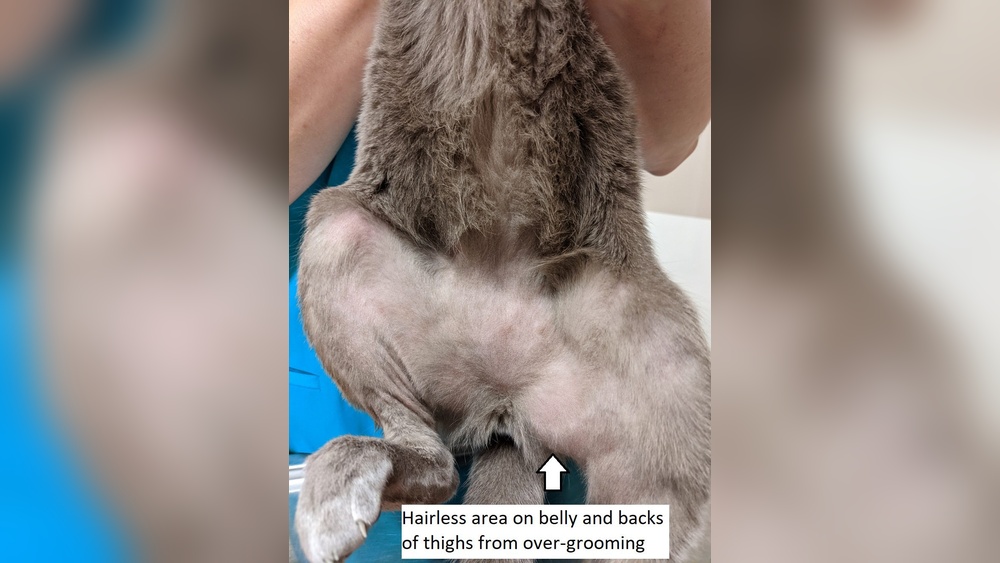
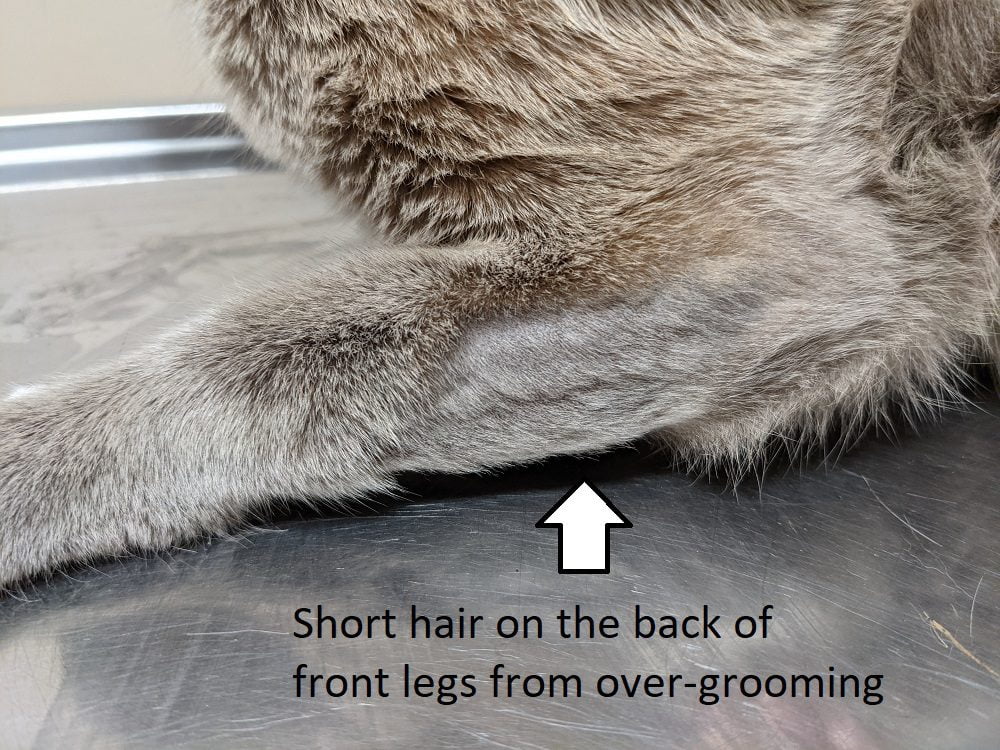
Physical signs appear on your cat’s skin and fur. Look for bald patches or thinning fur. The skin might look red or inflamed. Small wounds or scabs can form from biting. The fur may feel rough or uneven. Sometimes, your cat’s coat looks dull. These symptoms warn of over grooming problems.
Credit: pittwateranimalhospital.com.au
Common Causes
Cats groom themselves to stay clean and healthy. But sometimes, they groom too much. Over grooming can cause hair loss and skin problems. Understanding why cats over groom helps you keep them safe and happy. Here are some common causes.
Allergies And Skin Issues
Allergies often cause itching and irritation. Cats may lick or bite their skin to feel better. Food allergies or dust mites can trigger this behavior. Skin infections or dry skin also lead to over grooming. These problems make cats uncomfortable and restless.
Parasites And Infections
Parasites like fleas and mites cause intense itching. Cats scratch and groom to get relief. Parasite bites can lead to sores and hair loss. Bacterial or fungal infections also cause discomfort. Over grooming is the cat’s way to fight these irritations.
Stress And Anxiety
Stress makes cats nervous and uneasy. Changes in the home or loud noises can upset them. Cats groom more to calm themselves down. This behavior helps but can become excessive. Stress-related over grooming is common in many cats.
Pain And Discomfort
Pain from injuries or arthritis can cause over grooming. Cats may lick sore areas to soothe pain. This can lead to skin damage and bald spots. Watching for signs of pain helps find the cause early. Treating pain reduces over grooming and helps healing.
Environmental Triggers
Cats are very sensitive to their environment. Changes around them can cause stress and make them groom too much. This behavior is a way to cope with feelings they cannot express. Understanding environmental triggers helps keep cats calm and healthy.
Changes In Surroundings
Moving to a new home or rearranging furniture can upset a cat. Strange sights and smells cause anxiety. The cat may groom more to feel safe and comfortable. This helps them adjust to new places.
Lack Of Stimulation
Boredom can lead cats to over groom. Without toys or playtime, they focus on grooming. It fills their time and gives a sense of control. Providing activities can reduce this behavior.
Household Conflicts
Arguments or loud noises at home stress cats. They sense tension and feel unsafe. Over grooming is a way to calm their nerves. A peaceful environment helps them relax and stop excessive grooming.
:strip_icc()/how-to-stop-cat-over-grooming-554052-02-292560d5fa1542458556eff312f669d7.jpg)
Credit: www.thesprucepets.com
Health Risks Of Over Grooming
Over grooming in cats can cause serious health problems. It is more than just a bad habit. When cats groom too much, they can hurt themselves without meaning to. Understanding these health risks helps in taking better care of your pet.
Skin Damage
Excessive grooming can make a cat’s skin sore and red. The skin may become dry and cracked. Constant licking removes natural oils from the fur. This leaves the skin vulnerable to irritations and wounds.
Hair Loss
Over grooming often leads to patches of missing fur. Hair falls out faster than it can grow back. This can make your cat look unhealthy. Bald spots also expose the skin to sun and cold.
Secondary Infections
Open wounds from over grooming can get infected. Bacteria and fungi find easy entry through broken skin. Infections cause pain and swelling. Treatment might need vet visits and medicine.
Veterinary Diagnosis
Veterinary diagnosis is key to understanding why a cat overgrooms. Overgrooming can signal health or behavioral problems. A vet uses different tests to find the cause. Early diagnosis helps treat the issue fast. It also prevents more serious problems.
Physical Examination
The vet starts with a full physical exam. They check the skin and fur for damage. They look for redness, wounds, or bald spots. The vet also checks for parasites like fleas. This exam helps find infections or injuries. It gives clues about why the cat overgrooms.
Allergy Testing
Allergies often cause cats to lick or scratch too much. The vet may suggest allergy testing. This test finds if food or the environment triggers the reaction. It can include blood tests or skin tests. Knowing the allergy helps the vet suggest the best treatment. This reduces the cat’s discomfort and grooming.
Behavioral Assessment
Stress or anxiety can cause overgrooming. The vet watches the cat’s behavior closely. They ask about the cat’s daily routine and environment. Changes at home or lack of stimulation can cause stress. The vet may recommend ways to reduce anxiety. This helps stop the cat from licking too much.
Treatment Options
Over grooming in cats needs careful treatment. It helps stop skin damage and stress. Treatment depends on the cause. It may involve medicine, behavior changes, or environment fixes. Each option helps your cat feel better and stay healthy.
Medications And Topicals
Veterinarians may give medicines for allergies or infections. These can reduce itching and pain. Sometimes, creams or ointments help soothe the skin. Medicines can calm anxiety if it causes over grooming. Always follow the vet’s instructions for safe use.
Behavioral Therapy
Behavioral therapy helps change your cat’s grooming habits. Experts teach ways to reduce stress and boredom. Play sessions and training keep your cat busy. This therapy can stop repetitive licking and biting. Patience and consistency are key for success.
Environmental Adjustments
Changing your cat’s environment can reduce over grooming. Provide toys and scratching posts for activity. Keep a quiet and safe space for your cat. Avoid sudden changes that might cause stress. Clean the litter box often and offer fresh water.
Preventive Measures
Preventive measures help stop a cat from over grooming. Over grooming can cause skin problems and discomfort. Taking simple steps keeps your cat healthy and happy. These measures support your cat’s well-being and reduce stress.
Regular Health Checks
Visit the vet for regular health checks. Health problems like allergies or parasites cause over grooming. Early detection stops these problems from getting worse. Vets can suggest treatment to ease your cat’s discomfort. Keep vaccinations and flea control up to date.
Stress Reduction Techniques
Stress often leads cats to groom too much. Provide a calm and quiet space for your cat. Play with your cat to keep it active and happy. Use pheromone sprays or diffusers to calm anxious cats. Avoid sudden changes in the home environment.
Proper Grooming Habits
Help your cat with regular brushing. This reduces loose fur and skin irritation. Grooming builds trust and strengthens your bond. Use the right tools for your cat’s fur type. Avoid over brushing, as it may cause skin damage.

Credit: www.reddit.com
Frequently Asked Questions
Why Does My Cat Groom Excessively?
Cats groom excessively due to stress, allergies, or skin infections. Over grooming helps them soothe discomfort or anxiety. It can also indicate parasites like fleas or underlying health issues needing veterinary care.
Can Over Grooming Harm My Cat’s Skin?
Yes, over grooming can cause skin irritation, redness, and hair loss. Persistent licking damages the skin barrier, leading to sores or infections. It’s important to address the cause early to prevent long-term skin damage.
How Can I Stop My Cat From Over Grooming?
Identify and treat the underlying cause like allergies or stress. Provide environmental enrichment and regular vet checkups. Using calming products or medications may help reduce anxiety-driven grooming behaviors in cats.
Is Over Grooming A Sign Of Anxiety In Cats?
Over grooming can be a sign of anxiety or stress. Cats use grooming to self-soothe when feeling nervous or bored. Observing behavior changes and consulting a vet can help manage anxiety-related grooming.
Conclusion
Cats over groom for many reasons, such as stress or skin problems. Watching your cat closely helps you spot these signs early. A calm and clean environment can reduce over grooming. Sometimes, a vet visit is needed to find the cause.
Taking action quickly keeps your cat happy and healthy. Remember, a well-cared cat shows love and trust. Keep learning about your pet’s needs every day. Simple steps make a big difference in their life. Caring for your cat means caring for their comfort.