
Are you thinking about adding a dog to your home but worried about how your cat will react? Finding the right dog breed that gets along well with cats can make all the difference in creating a peaceful, happy household.
You want a furry friend who fits in smoothly and doesn’t disrupt your cat’s comfort. You’ll discover which dog breeds in the UK are known for being cat-friendly. Keep reading to find the perfect match that will bring joy to both your cat and your entire family.
Credit: www.purina.co.uk
Traits Of Cat-friendly Dogs
Choosing a dog that gets along well with cats is important for a peaceful home. Some dogs have traits that help them live happily with feline friends. Knowing these traits can make a big difference for your pets and your family.
Temperament To Look For
Dogs with gentle and calm temperaments suit homes with cats best. They should be patient and not overly aggressive. Friendly dogs that accept other animals easily reduce stress for cats. Avoid dogs with strong hunting instincts, as they may chase cats. A dog that enjoys quiet moments fits well with a cat’s relaxed nature.
Energy Levels And Compatibility
Matching energy levels helps dogs and cats bond better. High-energy dogs may scare shy cats. Dogs with moderate or low energy often get along well with cats. Playful dogs that know when to rest create a balanced environment. Cats prefer dogs that do not disturb their space too much.
Size And Space Considerations
Small to medium-sized dogs usually fit better in homes with cats. Large dogs might unintentionally harm small cats during play. Space matters too. A home with enough room lets cats escape if they feel stressed. Dogs that respect personal space help cats feel safe and happy.

Credit: www.caninecottages.co.uk
Top Dog Breeds That Get Along With Cats
Choosing the right dog breed makes a big difference in homes with cats. Some dogs naturally get along well with feline friends. These breeds tend to be calm, friendly, and gentle. They adapt easily to living with cats and create a peaceful environment. Here are some top dog breeds that often do well with cats in the UK.
Labrador Retriever
Labradors are friendly and gentle dogs. They have a calm nature and love to socialize. Labradors usually accept cats as part of the family quickly. Their patience helps them live happily with cats. They enjoy playful moments without being too rough.
Golden Retriever
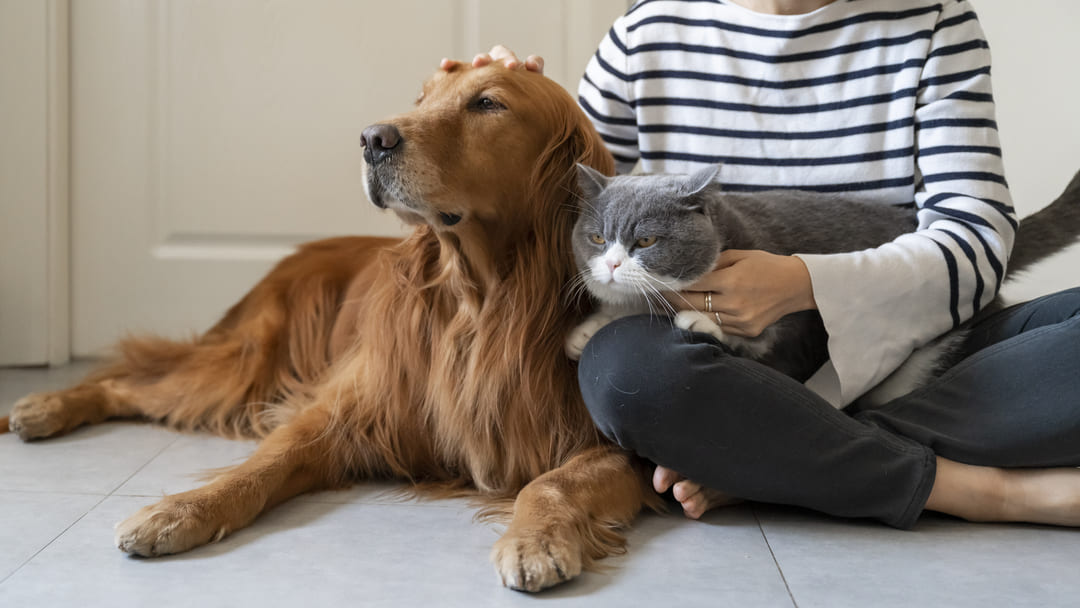
Golden Retrievers are known for their kind hearts. They are patient and easygoing around other pets. These dogs rarely show aggression toward cats. They often form strong bonds and enjoy company. Golden Retrievers make great companions for cats and families.
Cavalier King Charles Spaniel
This small breed is gentle and affectionate. Cavaliers enjoy quiet time and cuddles with cats. Their calm personality helps reduce tension between pets. They are less likely to chase or scare cats. Cavaliers adapt well to a home with feline friends.
Beagle
Beagles are curious and friendly dogs. They enjoy exploring but tend to respect cats’ space. Beagles have a playful side but usually avoid causing stress. They can live peacefully with cats with proper introductions. Beagles bring energy without aggression.
Basset Hound
Basset Hounds are calm and laid-back. Their slow movements make them less threatening to cats. They prefer a relaxed environment and gentle play. Basset Hounds often bond well with cats over time. Their patient nature supports smooth pet relationships.
Breeds That Might Need Extra Socialisation
Some dog breeds need extra socialisation to live well with cats. Early exposure to cats helps these dogs accept them. Without socialisation, these breeds may show chasing or guarding behaviour. Patience and consistent training are key to success. Understanding each breed’s traits makes living with cats easier.
Terriers
Terriers have a strong prey drive. They love to chase small animals like cats. This instinct can cause problems in a home with cats. Socialising terriers early can reduce chasing behaviour. Teach them to stay calm around cats. Proper training helps terriers live peacefully with feline friends.
Sighthounds
Sighthounds rely on sight to spot movement. Cats moving quickly may trigger their chase instinct. These dogs can be shy or independent too. Socialising sighthounds with cats from a young age helps. They learn to ignore cats as prey. This breed benefits from slow, gentle introductions to cats.
Working Breeds
Working breeds are smart and energetic. They may guard or herd cats by nature. Early socialisation teaches them to respect cats’ space. Consistent boundaries prevent guarding or herding behaviour. These dogs do well with cats after proper training. Their loyalty makes them good companions for cats.

Credit: www.caninecottages.co.uk
Tips For Introducing Dogs To Cats
Introducing a dog to a cat can be a smooth process with the right approach. It needs patience and careful steps. This helps both pets feel safe and comfortable. The goal is to build trust and reduce stress for both animals.
Here are some useful tips to help your dog and cat get along well from the start.
Safe Initial Meetings
Choose a quiet room for the first meeting. Keep the dog on a leash. Allow the cat to move freely. Let them see and smell each other without pressure. Watch their body language closely. Stop if either pet shows signs of fear or aggression. Keep meetings short and calm. Repeat these sessions daily to build familiarity.
Managing Early Interactions
Keep dogs calm and controlled during early meetings. Use treats to reward calm behaviour. Give the cat safe spaces to retreat to. Avoid forcing pets to be close. Supervise all interactions. Gradually increase time spent together. Do not leave them alone until trust is clear. Teach your dog basic commands to help control excitement.
Monitoring Behaviour Over Time
Watch for changes in behaviour after meetings. Look for signs of stress in both pets. Ensure the cat still eats and uses the litter box. Notice if the dog chases or growls less. Keep separate feeding areas to avoid conflicts. Continue supervising until both pets relax around each other. Regular positive experiences help build a strong bond.
Creating A Harmonious Home Environment
Creating a harmonious home environment helps dogs and cats live peacefully together. It reduces stress and stops fights. Careful planning makes a big difference. Simple steps create balance and comfort for both pets.
Separate Spaces For Pets
Give each pet its own space to relax. Separate beds and resting spots work well. Pets feel safe with their own area. Avoid forcing them to share small spaces. This helps prevent tension and keeps peace.
Feeding And Resource Management
Feed pets in different places to avoid food guarding. Use separate bowls and keep them apart. This stops fights over food. Check that each pet gets enough food. Keep toys and treats separate too. Protecting resources keeps pets calm.
Enrichment And Exercise
Provide toys and activities for both pets. Exercise helps reduce excess energy. Playtime keeps pets happy and healthy. Use puzzle toys or chew toys for dogs. Cats enjoy climbing and scratching posts. A busy pet is a peaceful pet.
Considering Adoption In The Uk
Adopting a dog in the UK means choosing a pet that fits your home and lifestyle. Households with cats need to think about how the dog will get along with them. Not all dogs are comfortable around cats. Some breeds adjust better and live peacefully with feline friends.
Finding a dog used to cats can make life easier. Understanding local dog breeds helps find the best match. Following adoption tips can ensure a smooth introduction for both pets.
Rescue Dogs With Experience Around Cats
Rescue dogs may already know how to behave around cats. Shelters often observe dogs with other animals. You can ask if a dog has lived with cats before. Dogs with this experience tend to be calmer and friendlier. This reduces stress for both pets at home.
Local Breed Popularity And Availability
Some dog breeds are common in the UK and adapt well to cats. Breeds like the Cavalier King Charles Spaniel and Beagle usually get along with cats. Knowing which breeds are popular helps in finding one nearby. Local availability also means easier access to care and advice.
Adoption Tips For Multi-pet Households
Introduce new dogs to cats slowly and in a safe space. Keep initial meetings short and calm. Watch both animals’ body language carefully. Provide separate areas for each pet to retreat. Patience is key; let them adjust at their own pace.
Frequently Asked Questions
Which Dog Breeds Are Most Cat-friendly In The Uk?
Breeds like the Cavalier King Charles Spaniel, Basset Hound, and Beagle are known for their gentle nature. These dogs usually adapt well to living with cats. Their calm temperament helps foster peaceful cohabitation and reduces stress for both pets in UK homes.
How To Introduce Dogs And Cats Safely?
Introduce them slowly in a neutral space. Keep the dog on a leash and allow the cat to approach freely. Watch their body language closely. Positive reinforcement with treats helps build trust. Patience is key to a smooth and safe introduction.
Are Small Dog Breeds Better With Cats?
Not always, but many small breeds like Shih Tzus and Pugs often coexist well with cats. Their moderate energy and friendly behavior reduce chances of conflict. However, temperament matters more than size when ensuring compatibility with cats.
Can Large Dog Breeds Live Peacefully With Cats?
Yes, large breeds like Golden Retrievers and Labradors are usually tolerant of cats. Their patient and gentle nature helps them live peacefully. Proper training and socialization are essential to maintain harmony between large dogs and cats in the home.
Conclusion
Choosing the right dog breed helps cats and dogs live peacefully together. Some breeds are calm and gentle, which suits life with cats. Patience and training make a big difference in their bond. Every pet has its own personality to consider.
A happy home means careful choices and love for both pets. This way, cats and dogs can share your home happily.