
Are you worried about your cat’s health and want to keep them safe from serious illnesses? Diabetes in cats is becoming more common, and some breeds are more at risk than others.
Knowing which cat breeds are prone to diabetes can help you take early action and protect your furry friend. You’ll discover the breeds that need extra care and what signs to watch for. Keep reading to learn how you can help your cat live a healthier, happier life.
Credit: www.moonlightpetstore.com
Cat Breeds With Higher Diabetes Risk
Certain cat breeds have a higher chance of developing diabetes. This risk depends on genetics and breed traits. Knowing these breeds helps owners watch for signs early. Understanding which cats are more prone guides better care and diet choices.
Burmese Cats
Burmese cats show a greater risk of diabetes than many breeds. Their genetic makeup may affect how they process sugar. These cats need regular check-ups to catch any early symptoms. Maintaining a healthy weight is very important for them.
Tonkinese Cats
Tonkinese cats also face a higher chance of diabetes. This breed shares some genetic traits with Burmese cats. Owners should monitor their diet closely and avoid overfeeding. Regular vet visits help detect diabetes signs early.
Domestic Shorthair Cats
Domestic Shorthair cats are common but still have diabetes risks. Their mixed genes can lead to varied health issues. Obesity in these cats raises the chance of diabetes. Keeping them active and feeding balanced meals is essential.
Maine Coon Cats
Maine Coon cats are large and prone to weight gain. This makes diabetes a concern for them. Their size requires careful portion control and exercise. Early health screenings can help prevent severe problems.
Genetic Factors Influencing Diabetes
Genetic factors play a key role in a cat’s chance of developing diabetes. Some breeds have genes that make them more likely to get this disease. These genes affect how the body controls blood sugar and insulin. Understanding these genetic factors helps owners and vets manage risks better.
Inherited Susceptibility
Cats inherit genes from their parents that affect health. Some breeds carry genes that raise diabetes risk. This inherited susceptibility means diabetes can run in families. If a cat’s ancestors had diabetes, it might have a higher chance too. This risk varies by breed and individual genetics.
Breed-specific Gene Variants
Different cat breeds have unique gene variants linked to diabetes. These gene variants can change how the body uses insulin. For example, some breeds may have altered insulin receptors or glucose metabolism. Scientists study these variants to spot breeds at risk. Knowing these genes can guide better care and treatment.
Lifestyle And Environmental Risks
Cats with certain lifestyles and environments face higher diabetes risks. These risks often link to daily habits and surroundings. Understanding them helps cat owners protect their pets better.
Obesity And Overfeeding
Obesity is a top risk for diabetes in cats. Overfeeding leads to extra weight gain quickly. Fat cells affect insulin use in the body. Cats carrying extra weight have a harder time controlling blood sugar. Feeding measured portions supports a healthy weight. Avoid giving too many treats or table scraps.
Lack Of Physical Activity
Inactive cats burn fewer calories and gain weight. Exercise helps regulate blood sugar and keeps cats fit. Playtime with toys or climbing structures boosts activity. Indoor cats especially need encouragement to move. Regular movement lowers diabetes chances and improves overall health.
Indoor Vs. Outdoor Living
Indoor cats may face higher diabetes risks than outdoor cats. Limited space can reduce physical activity indoors. Outdoor cats often get natural exercise and sunlight. Yet, outdoor life has other dangers like accidents or parasites. A safe, stimulating indoor environment is key to keeping cats active and healthy.
Credit: thevets.com
Age And Gender Impact On Diabetes
Age and gender play a big role in a cat’s risk for diabetes. Some cats become more likely to get this illness as they grow older. The chance of diabetes also changes between male and female cats. Understanding these factors helps pet owners watch for signs early.
Middle-aged To Older Cats
Diabetes is more common in middle-aged and older cats. Cats over seven years old have a higher chance of developing diabetes. Their bodies may not use insulin as well as before. Age slows down how their body handles sugar. Older cats often gain weight, which raises diabetes risk. Checking blood sugar levels in older cats is important. This helps catch diabetes early and start treatment fast.
Male Cats At Greater Risk
Male cats face a higher risk of diabetes than females. Studies show male cats develop diabetes more often. This may be due to body fat differences or hormones. Male cats tend to store more fat around their belly. This fat affects insulin and blood sugar control. Male cats need regular vet visits to monitor health. Early detection can help manage diabetes better.
Health Conditions Linked To Diabetes
Diabetes in cats often links to other health problems. These conditions can affect how well a cat’s body controls blood sugar. Understanding these helps cat owners watch for warning signs early. Some cat breeds are more likely to develop these health issues alongside diabetes.
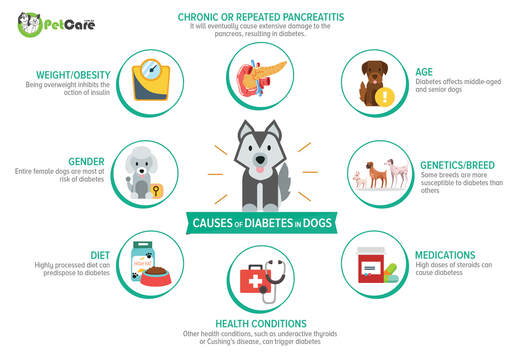
Pancreatitis
Pancreatitis means inflammation of the pancreas. The pancreas produces insulin, which controls blood sugar. If the pancreas is damaged, insulin production drops. This can lead to diabetes or make it worse. Cats with pancreatitis often have stomach pain and lose appetite.
Hormonal Imbalances
Hormones control many body functions, including blood sugar. Too much of certain hormones can cause diabetes. For example, high cortisol levels, known as Cushing’s disease, affect insulin use. Hormonal problems often appear in older cats. These imbalances make diabetes harder to manage.
Other Metabolic Disorders
Metabolic disorders affect how the body uses energy. Some disorders can cause insulin resistance. This means the body does not respond well to insulin. Obesity is a common metabolic issue linked to diabetes. Cats that are overweight face a higher risk of these problems.
Preventive Measures For At-risk Breeds
Cats prone to diabetes need careful care to stay healthy. Preventive measures help lower the risk of diabetes in these breeds. These steps support their overall well-being and keep blood sugar levels steady.
Dietary Management
Feed your cat a balanced diet with low sugar and carbohydrates. Choose high-protein foods that suit their breed and health needs. Avoid giving too many treats or table scraps. Control portion sizes to prevent obesity. Fresh water should always be available.
Regular Exercise
Encourage your cat to move daily. Play with toys that make your cat active. Short bursts of exercise improve insulin sensitivity. Exercise also helps maintain a healthy weight. Keep activity fun and safe for your cat.
Routine Veterinary Checkups
Schedule regular vet visits for early diabetes detection. Blood tests can spot changes before symptoms appear. Your vet can adjust diet and exercise plans as needed. Stay alert to signs like increased thirst or urination. Early care improves your cat’s quality of life.
Credit: www.northogdenanimalhospital.com
Frequently Asked Questions
Which Cat Breeds Are Most Prone To Diabetes?
Certain breeds like Burmese, Siamese, and Maine Coon have a higher diabetes risk. Genetics and breed traits contribute to this susceptibility.
How Does Diabetes Affect Specific Cat Breeds?
Diabetes causes high blood sugar, leading to weight loss, increased thirst, and urination. Some breeds may show symptoms earlier due to genetic factors.
Can Diet Influence Diabetes Risk In Cats?
Yes, a high-carbohydrate diet increases diabetes risk. Feeding low-carb, high-protein food helps manage weight and reduce diabetes chances in cats.
Are Male Cats More Prone To Diabetes Than Females?
Male cats, especially overweight ones, are more likely to develop diabetes. Hormonal differences and body fat distribution play roles in this trend.
Conclusion
Certain cat breeds have a higher risk of diabetes. Knowing these breeds helps you watch for early signs. Early detection can improve your cat’s health and life. Regular vet visits and a good diet also help prevent diabetes. Keep your cat active and avoid overfeeding.
Diabetes is serious but manageable with care. Protect your furry friend by staying informed and attentive. Your cat’s health depends on your careful actions every day.