
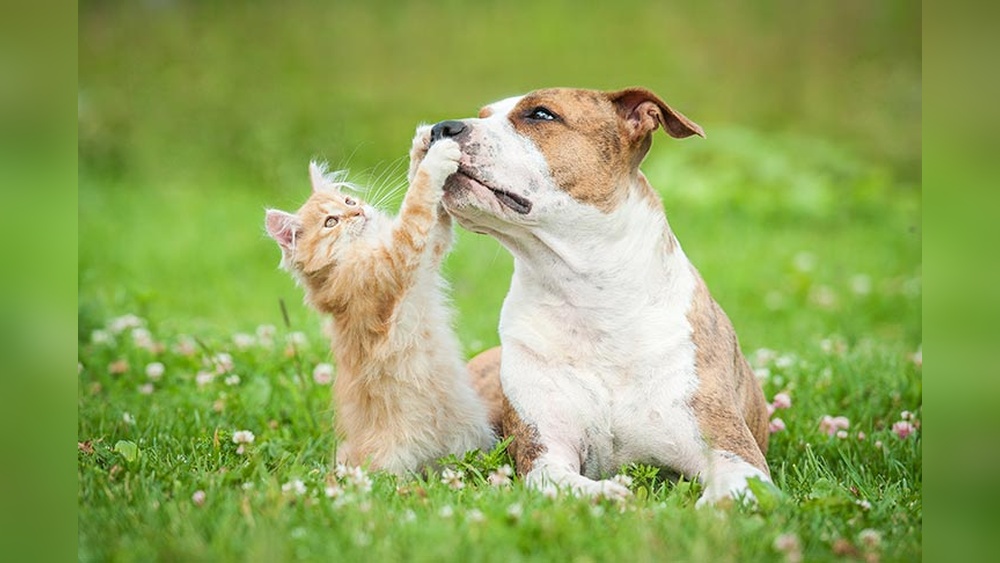
Are you thinking about adding a furry friend to your family but worried about how your dog and cat will get along? You’re not alone.
Finding the right dog breed that lives happily with cats can make all the difference in your home’s peace and harmony. Imagine a household where your pets play, cuddle, and relax together without a hint of tension. Sounds ideal, right?
You’ll discover which dog breeds are known for their gentle nature around cats and how to create a loving environment for both. Keep reading to make your pet family happy and stress-free!
Traits Of Cat-friendly Dogs
Choosing a dog that gets along well with cats depends on certain traits. Some dogs naturally adapt better to living with cats. These traits help create a peaceful home for both pets. Understanding these qualities guides you to pick the right dog breed.
Temperament To Look For
Calmness is key in a dog that lives with cats. Gentle dogs avoid chasing or scaring cats. Patience helps dogs accept cats’ slow movements. Friendly dogs enjoy socializing without being pushy. A dog with a soft mouth is less likely to harm cats during play. These temperament traits make sharing space easier.
Energy Levels And Compatibility
Matching energy levels between dog and cat is important. Active dogs can overwhelm quiet cats. Low to medium energy dogs fit better with calm cats. Dogs that enjoy quiet time respect cats’ need to rest. Balanced energy helps both pets feel safe and happy.
Socialization And Training Impact
Early socialization teaches dogs to accept cats. Dogs trained around cats learn gentle behavior. Positive experiences build trust between dog and cat. Consistent training stops rough play or chasing. Well-socialized dogs create a friendly environment for cats.

Credit: www.purelypetsinsurance.co.uk
Top Dog Breeds That Get Along With Cats
Choosing a dog that gets along well with cats helps keep peace at home. Some breeds have a gentle nature and adapt well to feline friends. These dogs show patience and friendliness, making them great companions for cats. Understanding which breeds fit this profile can guide you in creating a happy pet family.
Golden Retriever
Golden Retrievers are known for their friendly and calm nature. They often enjoy the company of cats and other animals. These dogs are patient and gentle, making them great for homes with cats. Their easygoing attitude helps prevent conflicts and builds trust quickly.
Beagle
Beagles are curious and friendly dogs. They usually accept cats as part of their pack. Their playful spirit matches well with many cats. Beagles are social and love to be around other animals, creating a joyful environment.
Cavalier King Charles Spaniel
This small breed is affectionate and loves company. Cavaliers tend to get along with cats easily. Their gentle nature makes them good friends to feline housemates. They enjoy quiet time and playful moments with pets.
Basset Hound
Basset Hounds are calm and patient dogs. They rarely show aggression toward cats. Their slow and steady pace suits cats who like a peaceful home. Bassets enjoy companionship and adapt well to other pets.
Maltese
The Maltese is a small, gentle dog breed. They usually live happily with cats. Maltese dogs are friendly and enjoy close bonds with other animals. Their calm behavior helps reduce stress for cats.
Pug
Pugs have a charming and easygoing personality. They often accept cats without trouble. Pugs are playful but gentle, making them good companions. Their love for social interaction helps build good pet relationships.
Boxer
Boxers are energetic but can be gentle with cats. They learn to respect feline boundaries well. Boxers enjoy playtime and often invite cats to join. Training helps Boxers become well-mannered housemates.
Papillon
Papillons are small, intelligent dogs. They tend to be friendly toward cats. Their lively nature brings energy to the home. Papillons enjoy company and adapt quickly to new pets.
Introducing Dogs To Cats Safely
Introducing dogs to cats safely is key to building a peaceful home. Both animals have different ways to communicate. Careful planning helps them accept each other. It reduces stress and avoids fights. A good introduction sets the stage for friendship. Patience plays a big role in the process.
Preparation Before Introduction
Start by preparing a calm space for both pets. Keep the dog on a leash during first meetings. Provide a safe area for the cat to retreat. Use separate food bowls and litter boxes. Let the dog learn the cat’s scent first. Allow the cat to see the dog from a distance. Make sure both animals are healthy and calm. Remove toys or items that may cause competition.
Step-by-step Introduction Process
Begin with short, controlled meetings. Let the dog sit or lie down quietly. Reward calm behavior with treats and praise. Let the cat approach the dog at its own pace. Watch body language closely for signs of stress. Gradually increase the time they spend together. Keep sessions positive and end on a good note. Repeat these steps daily for best results.
Managing First Encounters
Keep the dog on a leash during first face-to-face meetings. Do not force the cat to come close. Let the cat hide if it feels scared. Speak softly to calm both pets. Avoid sudden movements that startle them. Praise and reward calm, gentle behavior. Separate them if either shows aggression. Give each pet plenty of attention after meetings.

Credit: www.nylabone.com
Training Tips For Harmonious Living
Training dogs to live well with cats takes patience and clear steps. Good training helps both pets feel safe and happy. Start with simple habits and build slowly. Consistency matters most. Small efforts lead to peaceful days.
Positive Reinforcement Strategies
Reward your dog for gentle actions near cats. Use treats or kind words right away. This shows dogs what behavior is good. Praise calm moments and friendly approaches. Avoid punishment, as it can cause fear or confusion.
Establishing Boundaries
Set clear rules for both pets. Use gates or separate rooms if needed. Teach dogs to respect the cat’s space. Let cats have safe spots to retreat. Boundaries help reduce stress and fights.
Encouraging Calm Behavior
Train your dog to stay calm around cats. Practice quiet commands like “sit” and “stay.” Reward calmness and slow movements. Avoid loud noises or fast actions that may startle cats. Calm pets create a peaceful home.
Common Challenges And Solutions
Introducing a dog to a home with cats can bring joy and companionship. Yet, some challenges may arise during the adjustment period. Understanding common issues helps create a peaceful environment for both pets. Careful steps and patience work best to keep harmony.
Dealing With Prey Drive
Some dogs have a strong prey drive. They may chase cats as they see them as moving targets. This behavior can stress cats and cause safety worries. Manage prey drive by training your dog with commands like “leave it” or “stay.” Use leashes during first meetings for control. Reward calm behavior to encourage peace. Gradual, supervised introductions reduce chasing instincts over time.
Handling Jealousy Or Territorial Issues
Dogs and cats may feel jealous or protective of their space. They might bark, hiss, or block access to favorite spots. Prevent this by giving each pet its own safe area. Feed them separately to avoid food guarding. Show equal attention to both pets to reduce jealousy. Use positive reinforcement when pets share space calmly. Consistency helps pets accept each other as friends.
When To Seek Professional Help
Some problems need expert advice. If dogs keep chasing cats despite training, ask a trainer for help. Aggression or fear can harm pets and people. A vet behaviorist can identify underlying issues. Early help stops problems from growing. Do not wait if pets feel unsafe or stressed. Professionals offer solutions tailored to your pets’ needs.
Credit: pethelpful.com
Frequently Asked Questions
Which Dog Breeds Are Best With Cats?
Breeds like Golden Retrievers, Beagles, and Basset Hounds adapt well to cats. These dogs are gentle, friendly, and sociable. Their calm nature helps them coexist peacefully with feline friends. Proper introduction and training also play a key role in building a good relationship.
How To Introduce A Dog To A Cat Safely?
Start with slow, controlled meetings in neutral space. Use leashes and keep sessions short. Reward calm behavior with treats. Gradually increase interaction time while observing body language. Never force contact; patience ensures a positive introduction and long-lasting harmony between pets.
Can Small Dogs Get Along With Cats?
Yes, many small dog breeds like Cavalier King Charles Spaniels and Pugs coexist well with cats. Their friendly, affectionate temperament reduces aggression risk. Early socialization and training improve their relationship. Supervision is important to avoid accidental harm during play.
Why Do Some Dogs Dislike Cats?
Dogs may dislike cats due to lack of socialization, prey drive, or fear. Past negative experiences can cause hostility. Proper training and gradual introductions help reduce tension. Understanding dog behavior and managing interactions ensure safety and friendship between pets.
Conclusion
Choosing a dog breed that gets along with cats makes home life peaceful. Friendly and calm dogs often adjust well to feline friends. Patience and careful introductions help build trust between pets. Each animal has its own personality and needs time.
Enjoy the special bond that grows with gentle care. Happy pets mean a happy home for everyone.