
Are you worried about your furniture getting torn apart by your cat’s claws? You’re not alone.
Scratching is a natural behavior for cats, but it can be frustrating when your favorite couch or curtains become their favorite scratching posts. What if you could find a cat breed that loves you just as much but isn’t obsessed with scratching?
You’ll discover which cat breeds are less likely to scratch and why. By the end, you’ll have a clear idea of which furry friend fits perfectly into your scratch-free home. Keep reading to find your ideal, gentle companion!
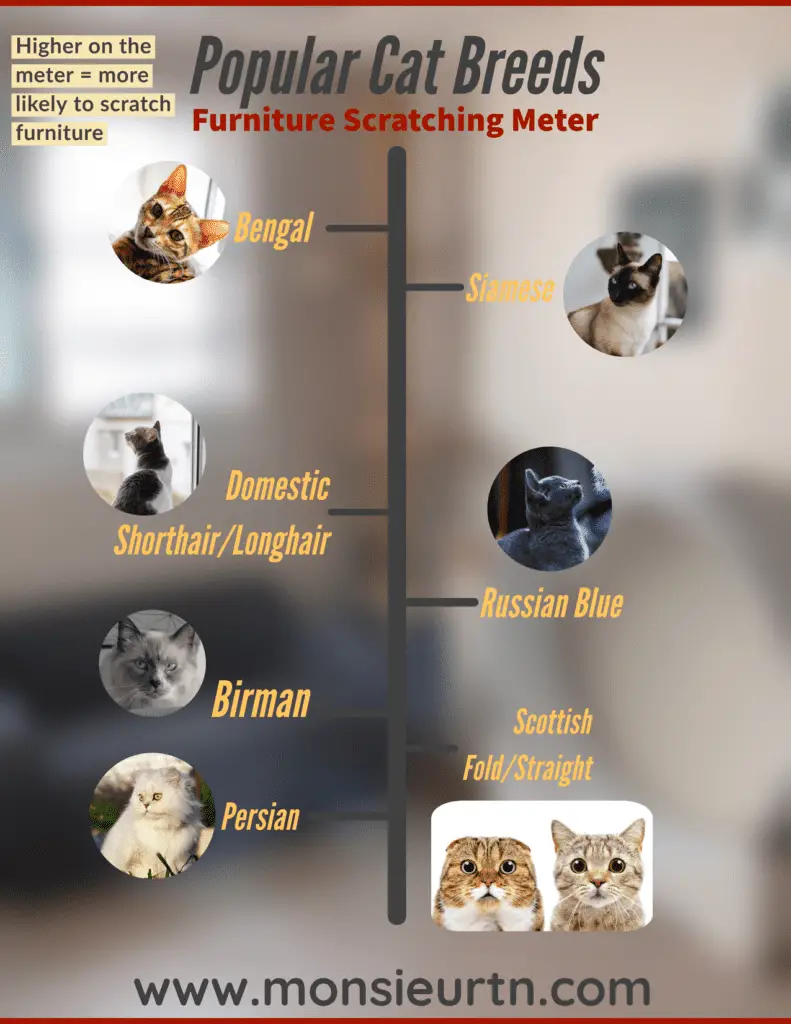
Credit: monsieurtn.com
Why Cats Scratch
Cats scratching is a common behavior that many owners notice. It might seem annoying, but scratching plays an important role in a cat’s life. Understanding why cats scratch helps owners manage this habit better. It also explains why some cat breeds scratch less than others.
Natural Instincts
Scratching is part of a cat’s nature. It helps sharpen their claws and keep them healthy. Cats also stretch their muscles when they scratch. This action feels good and keeps their paws strong. Wild cats use scratching to mark their territory and stay ready for hunting.
Communication Through Scratching
Cats use scratching to send messages to other cats. Their paws have scent glands that leave a smell behind. This scent tells other cats about their presence. Scratching on surfaces shows ownership of a place. It is a way cats talk without using sounds or movements.
Preventing Damage
Scratching can damage furniture and walls. Cats do not mean to ruin things. They scratch to meet their needs. Providing scratching posts can protect your home. It helps cats scratch in a safe place. Training cats to use these posts reduces unwanted scratching.
Traits Of Gentle Cat Breeds
Gentle cat breeds have special traits that make them calm and friendly. These cats often avoid scratching and aggressive acts. They enjoy quiet environments and show kindness to people and other pets. Understanding their traits helps choose the right cat for peaceful homes.
These cats usually have soft personalities. They prefer soft play and gentle petting. Their nature makes them great companions for those wanting calm pets. Learning about these traits can help find a cat that fits your lifestyle.
Temperament And Behavior
Gentle cats show calm and steady behavior. They stay relaxed in new places and around new people. These cats like quiet spaces and avoid loud noises. They often enjoy being held and petted softly. Their mood rarely changes quickly.
Low Aggression Levels
Gentle cat breeds have low aggression. They do not scratch or bite easily. These cats use soft paws during play. They prefer to walk away from trouble. Their calm nature makes them safe for children and other animals.
Compatibility With Families
Gentle cats fit well in family homes. They get along with kids and other pets. These cats enjoy being part of daily life. They respond well to gentle handling. Their friendly nature helps build strong bonds with family members.
Top Cat Breeds That Rarely Scratch
Some cats scratch less than others. This makes them easier to live with, especially in small homes or around children. Certain breeds are known for their calm nature and gentle paws. They tend to scratch less often, causing fewer problems for owners. Here are top cat breeds that rarely scratch.
Ragdoll
Ragdolls are calm and loving cats. They enjoy being held and rarely use their claws aggressively. Their soft nature makes them great for families. They tend to stay relaxed, even when playing.
Scottish Fold
Scottish Folds have a sweet and quiet personality. They use their claws gently and often avoid scratching furniture. Their folded ears give them a unique look. They are friendly and easy to train.
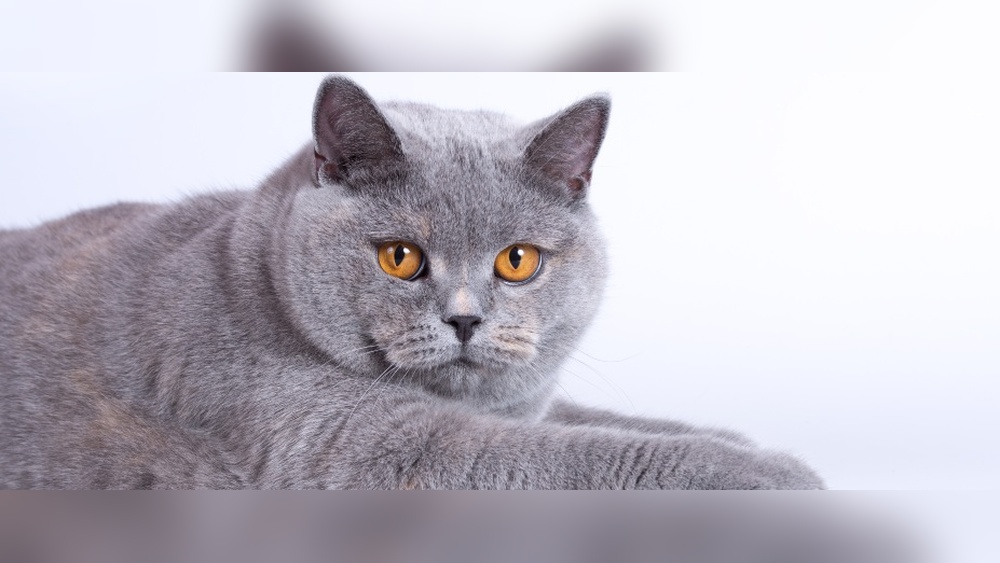
British Shorthair
British Shorthairs are known for their calm and steady behavior. They rarely scratch without reason. Their thick fur and round face make them very cute. They enjoy cuddles and are very loyal.
Sphynx
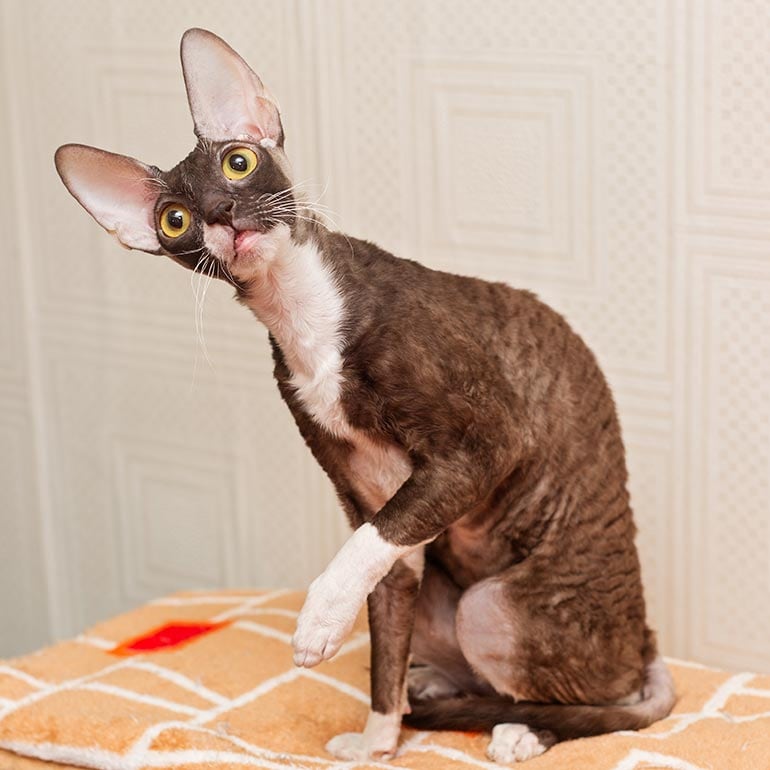
Sphynx cats have no fur but soft skin. They scratch less because they feel pain more easily. Their playful nature means they prefer gentle play. They love attention and are very social.
Birman
Birmans are gentle and affectionate cats. They usually avoid scratching people or furniture. Their silky fur and blue eyes attract many cat lovers. They are patient and good with children.
Training Cats To Minimize Scratching
Training cats to scratch less helps protect your furniture and keeps your home neat. Cats scratch to mark their space and keep their claws healthy. Teaching them where to scratch takes patience and the right tools. Start early and stay consistent for best results.
Providing Scratching Alternatives
Give your cat special places to scratch. Use scratching posts or pads made of cardboard, wood, or carpet. Place these near their favorite spots or where they usually scratch. Change the location if they ignore it. Let your cat explore different textures and find what they like.
Positive Reinforcement Techniques
Reward your cat when they use the scratching post. Use treats, praise, or petting to encourage good behavior. Avoid punishing your cat for scratching in the wrong place. Instead, gently move them to the scratching post. Positive rewards build trust and teach your cat what you want.
Regular Nail Trimming
Trim your cat’s nails to reduce damage from scratching. Use sharp, safe nail clippers made for cats. Cut only the sharp tips to avoid pain or bleeding. Do this every two weeks or as needed. Regular trimming keeps claws short and less harmful to furniture and skin.
Creating A Scratch-friendly Environment
Creating a scratch-friendly environment helps protect your home and keeps your cat happy. Cats scratch to mark territory and stretch muscles. Providing proper outlets reduces unwanted damage. It also supports your cat’s natural habits in a positive way.
Choosing The Right Furniture
Select furniture made from materials cats prefer to scratch. Sisal, cardboard, and wood work well. Avoid plastic or smooth surfaces that do not feel good to claws. Place scratching posts near favorite resting spots. This encourages cats to use them often.
Using Deterrents Effectively
Use safe deterrents to protect furniture. Double-sided tape or aluminum foil can stop scratching on certain areas. Cats dislike rough or sticky textures. Spray repellents with natural scents also help. Apply these carefully to avoid stress or harm.
Enrichment And Play
Keep your cat busy with toys and games. Regular play reduces boredom and stress, which cause scratching. Provide climbing trees and tunnels for exercise. Rotate toys to keep interest high. A well-stimulated cat scratches less on furniture.

Credit: www.fourpaws.com
When To Consult A Veterinarian
Knowing when to consult a veterinarian is important for any cat owner. Some cats may scratch less, but changes in their behavior can signal problems. Early advice from a vet can prevent small issues from becoming serious. Watch your cat closely and note any unusual actions or signs of distress. Your vet can help find the cause and suggest the best care.
Behavioral Concerns
Scratching is a natural cat behavior. But sudden changes can mean stress or fear. If your cat stops scratching or scratches too much, a vet visit is wise. Aggression, hiding, or lack of play can also be signs of trouble. These changes may not be about breed but about how your cat feels.
Health Issues Affecting Behavior
Health problems often affect how cats act. Pain or discomfort can make cats scratch less or more. Skin infections, allergies, or parasites cause itching and scratching. Digestive or neurological issues can change behavior too. A vet exam helps find hidden health issues. Treating these can improve your cat’s comfort and behavior.
Credit: www.chewy.com
Frequently Asked Questions
Which Cat Breeds Are Less Likely To Scratch Furniture?
Breeds like Ragdolls, Scottish Folds, and British Shorthairs tend to scratch less. Their calm nature reduces destructive scratching behaviors. Regular nail trimming also helps protect your furniture.
Do Some Cat Breeds Naturally Avoid Scratching?
Yes, some breeds, such as the Sphynx and Persian, naturally scratch less. They are generally more laid-back and less prone to aggressive scratching. Proper training also plays a key role.
Can Indoor Cats Scratch Less Than Outdoor Cats?
Indoor cats usually scratch less due to limited exposure to outdoor stimuli. They often have scratching posts and toys to redirect their scratching behavior. This reduces damage to household items.
How Can I Stop My Cat From Scratching Excessively?
Provide scratching posts and trim your cat’s nails regularly. Use deterrents like double-sided tape on furniture. Positive reinforcement encourages scratching in appropriate places, reducing damage.
Conclusion
Choosing a cat breed that rarely scratches can make pet care easier. Some breeds are naturally gentle with their paws. Training and providing scratching posts help reduce unwanted scratching. Remember, every cat has its own personality and habits. Patience and love go a long way in building trust.
Enjoy the company of a calm and friendly feline. Your home stays safe, and your cat stays happy. A good match means less stress for both of you.