

If you have both dogs and cats at home, you probably worry about their safety around each other. You might even wonder, which dog breeds are more likely to harm or kill cats?
Knowing this can help you keep your furry friends safe and peaceful. You’ll discover the dog breeds with a higher risk of aggressive behavior toward cats—and what you can do to protect your pets. Keep reading to learn how to create a safe environment for all your animals.
Dog Breeds With High Prey Drive
Dog breeds with high prey drive often have strong instincts to chase and capture small animals. This natural urge can make them more likely to harm cats if left unsupervised. Understanding these breeds helps pet owners manage interactions safely. Prey drive varies by breed and individual temperament.
Terriers And Their Hunting Instincts
Terriers were bred to hunt small animals like rats and rabbits. They have sharp instincts to chase and dig out prey. This drive can extend to cats, especially if the cat runs or hides. Terriers are energetic and persistent hunters.
Sighthounds And Chase Behavior
Sighthounds rely on vision to spot and chase moving objects. Their speed and focus make them natural pursuers of fast animals. Cats’ quick movements trigger this chase instinct easily. Sighthounds may not intend harm but their chase can scare or injure cats.
Herding Dogs And Protective Nature
Herding breeds control and move animals using strong instincts. They may try to herd or nip at cats, seeing them as part of their “flock.” Their protective behavior can lead to aggressive acts if they feel threatened. Training is key to managing these instincts.

Credit: www.kiiitv.com
Factors Influencing Dog Aggression Toward Cats
Understanding why some dogs show aggression toward cats helps prevent conflicts. Several factors affect a dog’s behavior around cats. These include their early life, personality, and past experiences. Each factor shapes how a dog reacts to a cat’s presence.
Recognizing these influences helps owners manage interactions safely. It also guides choices in training and socializing dogs with cats.
Early Socialization And Training
Dogs exposed to cats early tend to accept them more easily. Proper training teaches dogs to stay calm around cats. Lack of socialization may cause fear or aggression. Early positive experiences reduce the chance of attacks. Training should focus on gentle behavior and control.
Individual Temperament
Every dog has a unique personality. Some breeds are naturally more tolerant of other animals. Others have a strong prey drive that triggers chasing. Calm and patient dogs usually coexist better with cats. Aggressive or nervous dogs may react poorly. Temperament plays a key role in dog-cat relationships.
Past Experiences And Environment
Dogs that faced threats from cats may act aggressively. A dog’s environment also affects its behavior. Stressful or crowded homes can increase tension. Safe, calm spaces help reduce aggressive responses. Positive past encounters with cats encourage peaceful behavior.
Common Misconceptions About Dog-cat Relationships
Many people believe dogs and cats cannot live together peacefully. Some think certain dog breeds always harm cats. These ideas create fear and confusion. The truth is more complex. Understanding common misconceptions helps improve dog-cat relationships.
Breed Stereotypes Vs. Reality
People often blame specific dog breeds for killing cats. Some breeds get a bad reputation unfairly. Aggression depends more on training and socialization. Not all dogs from a breed behave the same way. Many dogs live happily with cats without problems.
Role Of Owner Responsibility
Owners play a big role in how dogs act around cats. Proper training and supervision prevent most conflicts. Introducing pets carefully helps build trust. Ignoring behavior problems can lead to trouble. Good care and attention create safe homes for both animals.

Credit: www.youtube.com
Preventing Conflict Between Dogs And Cats
Dogs and cats can live together peacefully with the right care. Preventing fights starts with patience and planning. Understanding each animal’s needs helps avoid stress and danger.
Dogs may see cats as prey or playmates. Cats might feel scared or threatened. Creating a calm environment keeps both safe and happy.
Proper Introduction Techniques
Introduce dogs and cats slowly. Use a barrier like a baby gate first. Let them see and smell each other from a distance.
Keep the first meetings short. Watch their body language closely. Praise calm and gentle behavior from both pets.
Repeat introductions daily. Gradually increase their time together. Stop if either shows signs of fear or aggression.
Supervision And Safe Spaces
Always watch dogs and cats when they are together. Do not leave them alone until trust builds. Create safe zones for cats with high places or separate rooms.
Give cats escape routes. Let dogs have their own resting areas. This reduces stress and chances of conflict.
Use baby gates or crates to separate pets when needed. Respect each pet’s space and comfort.
Behavioral Training Tips
Train dogs to respond to commands like “leave it” or “stay.” Reward calm behavior around cats. Avoid punishment, it can increase aggression.
Teach dogs to walk calmly on a leash near cats. Use treats to create positive experiences. Socialize dogs early to reduce prey drive.
Observe cats for signs of stress. Provide toys and activities to keep them busy. Positive training helps both pets adapt and live well.
Signs A Dog May Pose A Threat To Cats
Dogs and cats often share homes, but some dogs may pose a threat to cats. Recognizing early signs helps keep both animals safe. Watch your dog closely for any warning signals. These signs show discomfort or aggression toward cats.
Body Language Indicators
Body language tells a lot about a dog’s feelings. A stiff body or raised hackles means the dog feels tense. Tail position matters too; a high, rigid tail can signal alertness or aggression. Direct staring at a cat without blinking shows focus and possible threat. Ears pinned back or forward show different emotions but often mean stress or alertness. Growling or showing teeth while staring is a clear warning sign.
Aggressive Behaviors To Watch For
Some dogs show aggression through actions rather than just body language. Lunging or snapping near a cat is dangerous behavior. Chasing a cat quickly without stopping shows strong prey drive. Barking loudly at cats can increase tension and fear. Persistent biting or nipping, even if not hard, can escalate into serious harm. Interrupt these behaviors early to protect your cat and train your dog.
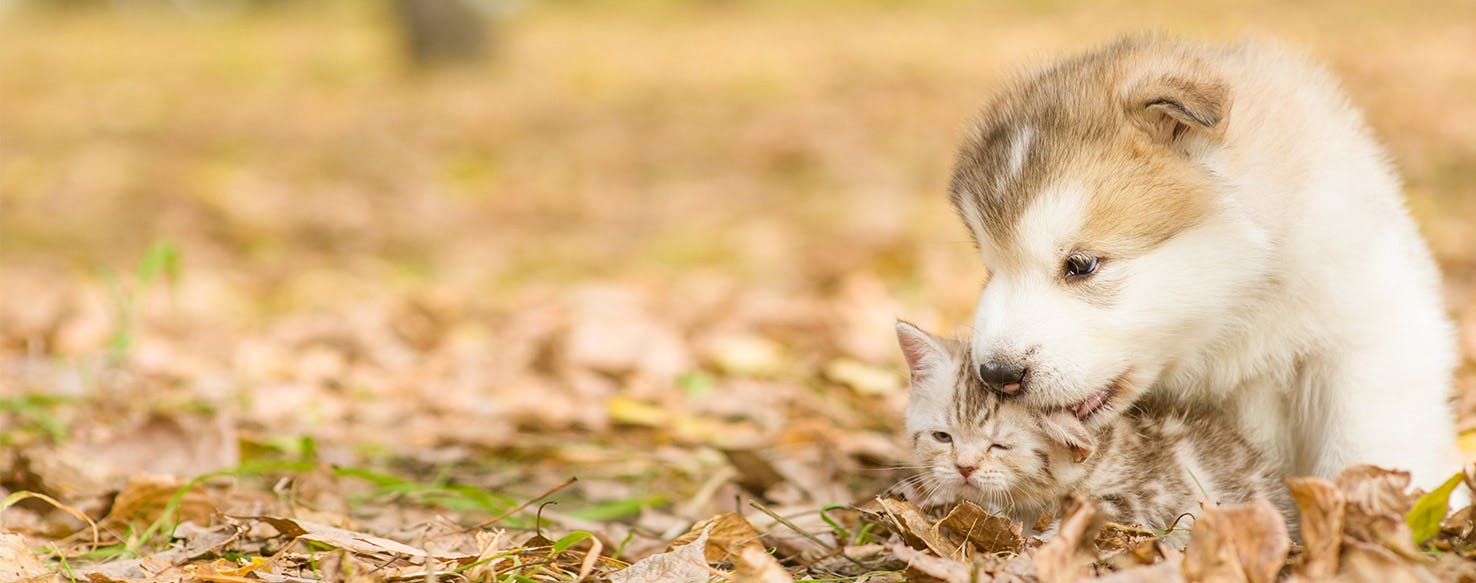
Credit: wagwalking.com
Alternatives For Families With Both Dogs And Cats
Families with both dogs and cats need careful planning. Not all dog breeds get along well with cats. Choosing the right dog can create a peaceful home for all pets.
Understanding how to introduce and manage pets helps avoid problems. Some dogs have strong hunting instincts, which can be dangerous for cats. Other breeds are calm and gentle around smaller animals.
Choosing Compatible Breeds
Pick dog breeds known for being friendly to cats. Breeds like Golden Retrievers, Beagles, and Basset Hounds usually live well with cats. These dogs tend to be patient and less aggressive.
Avoid breeds with high prey drive, such as Huskies or Terriers. These dogs might chase or harm cats due to instinct. Look for breeds with calm temperaments and low prey instincts.
Consider the dog’s size and energy level. Smaller, calmer dogs often adapt better to living with cats. Match the dog’s personality with your cat’s comfort level.
Promoting Positive Interactions
Introduce dogs and cats slowly and carefully. Keep the first meetings short and supervised. Use treats and praise to reward calm behavior around each other.
Create safe spaces for your cat to escape to. Cats need places where dogs cannot reach them. This helps reduce stress and fear for your cat.
Train your dog to obey basic commands like “sit” and “stay.” Good training reduces chances of chasing or aggressive behavior. Regular exercise also helps control your dog’s energy.
Frequently Asked Questions
Which Dog Breeds Are Most Likely To Kill Cats?
Certain terriers and hunting breeds have higher prey drives. Breeds like Jack Russell Terriers, Huskies, and Greyhounds may chase or harm cats due to instinct. However, individual temperament and training greatly influence behavior toward cats.
Why Do Some Dogs Attack Cats?
Dogs may attack cats due to prey drive, territorial instincts, or fear. Lack of socialization and improper introduction can trigger aggression. Understanding these causes helps prevent conflicts and promotes safe coexistence.
Can All Dogs Kill Cats Or Only Specific Breeds?
Not all dogs pose a threat to cats. Breed tendencies matter, but training and socialization are crucial. Many dogs coexist peacefully with cats when raised together or properly introduced.
How To Prevent Dogs From Killing Cats?
Proper training, early socialization, and controlled introductions reduce risks. Supervise interactions until trust builds. Teaching commands and rewarding calm behavior creates safer environments for both pets.
Conclusion
Certain dog breeds have stronger prey drives that can threaten cats. Knowing these breeds helps protect your pets. Training and supervision reduce risks between dogs and cats. Every animal’s behavior depends on more than just breed. Careful introductions create safer homes for both animals.
Always watch your pets closely during early interactions. Peaceful cohabitation is possible with patience and effort. Your cats and dogs deserve a safe, happy life together.