
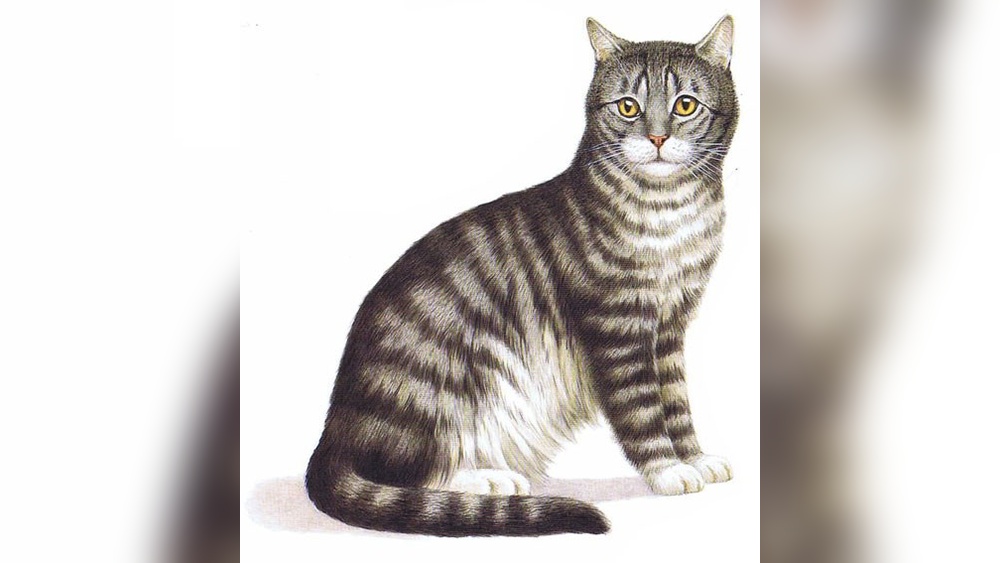
Have you ever wondered when cat breeds first came into existence? Understanding the origins of your favorite furry friends can change the way you see them.
Knowing when and how different cat breeds started helps you appreciate their unique traits even more. You’ll discover surprising facts about the history of cat breeds that will keep you hooked from start to finish. Get ready to explore the story behind the cats you love!
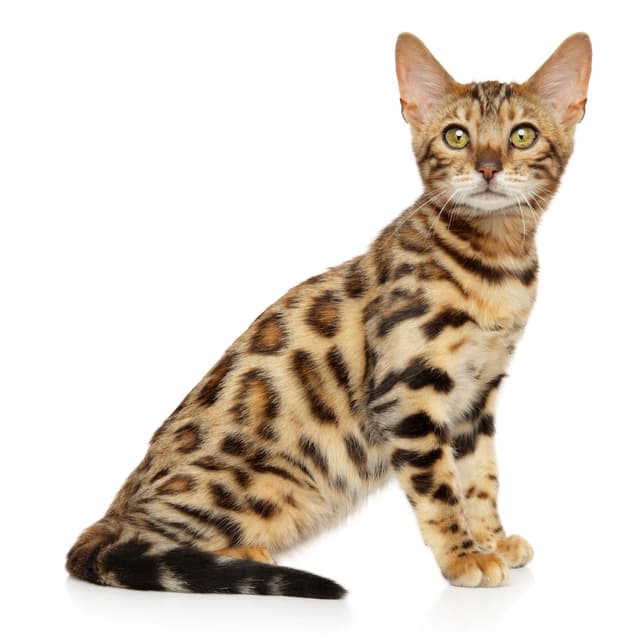
Credit: basepaws.com
Early Domestication Of Cats
The story of cat domestication begins thousands of years ago. Cats moved from wild animals to beloved pets slowly. This change happened over many generations. Understanding this process helps us know where cat breeds come from. It also shows how humans and cats started to live together.
Early cats were not like the pet cats we know today. They lived in the wild and had to survive on their own. The journey from wild to tame was gradual and complex.
Wild Ancestors And Their Habitats
Wild cats lived in different places around the world. The closest ancestor of domestic cats is the African wildcat. These cats lived in dry, open areas like deserts and savannas. They were hunters, feeding on small animals and birds. Their survival skills helped them adapt to many environments.
Wildcats were independent and cautious. They avoided humans but sometimes lived nearby farms and villages. This closeness set the stage for future friendship.
First Human-cat Interactions
Humans first noticed cats because they hunted pests. Farmers growing crops had problems with rats and mice. Wildcats helped by catching these pests around grain stores. People welcomed cats near their homes. Cats found food and shelter, and humans gained pest control.
Over time, cats became less afraid of humans. They stayed close, creating a bond. This early friendship was the start of domestication.
Archaeological Evidence
Archaeologists found signs of cats living with humans thousands of years ago. One famous discovery is a cat buried with a human in Cyprus, about 9,500 years old. This shows cats were special to people even then.
Other remains found in ancient villages show cats lived near humans. These findings confirm cats were slowly becoming pets. They were no longer just wild animals but companions.
Development Of Distinct Breeds
The creation of distinct cat breeds did not happen overnight. It is a process influenced by nature and people over thousands of years. Cats adapted to their environments, and humans began selecting traits they liked. This interaction shaped the many breeds we see today.
Understanding how breeds developed helps us appreciate the diversity of cats. Each breed tells a story of survival, culture, and human preference. Below, we explore key factors in the development of cat breeds.
Natural Selection Vs. Human Influence
Natural selection shaped cats to survive in the wild. Traits like hunting skills and camouflage were important. Over time, cats with the best traits thrived and passed them on.
Humans started to influence cat traits by choosing cats for breeding. Traits like fur color, size, and temperament became more controlled. This selective breeding created varieties not seen in the wild.
Ancient Breeds And Their Traits
Some of the oldest cat breeds still exist today. These breeds have unique traits that helped them survive ancient times. For example, the Egyptian Mau is known for its spotted coat and speed.
Ancient breeds often show traits linked to their original environments. Studying them reveals how cats adapted before modern breeding began.
Role Of Trade And Exploration
Trade routes helped cats travel across the world. Traders and explorers brought cats on ships to control pests. Cats adapted to new places, creating new breed characteristics.
Exposure to different environments and humans led to new breed developments. This mixing of cats from different regions increased diversity in cat breeds.
Notable Historical Cat Breeds
Cat breeds have a long history, with some types dating back thousands of years. These breeds often have unique stories and roles in human culture. They show how cats have been important companions across many lands. Understanding these historical breeds helps us appreciate today’s cats more.
Egyptian Mau And Sacred Cats
The Egyptian Mau is one of the oldest known cat breeds. It was admired in ancient Egypt for its spotted coat. Egyptians saw these cats as sacred animals. They believed the cats brought good luck and protection. Egyptian art often shows Mau cats beside gods and pharaohs.
Persian Cats And Royal Patronage
Persian cats have a history tied to royalty. These long-haired cats first appeared in Persia, now Iran. Persian cats became popular in Europe during the 1600s. Their fluffy fur and calm nature made them favorites in royal courts. Kings and queens often kept Persians as pets.
Siamese Cats In Southeast Asia
Siamese cats come from Thailand, once called Siam. They were prized by Thai royalty for their striking looks. Siamese cats have a unique color pattern and blue eyes. They were believed to bring good fortune and protect temples. Today, they remain one of the most popular breeds worldwide.
Modern Cat Breeding Practices
Modern cat breeding focuses on creating and preserving specific traits in cats. Breeders work carefully to maintain the unique look and personality of each breed. The process is more scientific and organized than in the past. It involves rules, careful planning, and respect for the animals.
Breed Standards And Registries
Breed standards describe the ideal features of each cat breed. They cover size, coat color, eye shape, and personality. Cat registries keep records of cats that meet these standards. They help breeders track pedigrees and maintain breed purity. This system supports consistent and healthy breeding practices.
Selective Breeding Techniques
Selective breeding involves choosing cats with desired traits to reproduce. Breeders look for health, temperament, and appearance. They avoid traits that cause health problems. This method improves breed quality over time. Breeders test and observe kittens to ensure the best results.
Ethical Considerations In Breeding
Ethics guide responsible breeding. Breeders must put cat welfare first. They avoid breeding cats with genetic diseases. Good breeders provide safe homes and proper care. They also educate new owners about breed needs. Ethical breeding helps cats live longer, happier lives.
Genetics And Breed Identification
Understanding the genetics behind cat breeds helps trace their origins. It explains how different breeds developed unique looks and behaviors. Genetics also assists in identifying purebred cats from mixed ones. This knowledge deepens our appreciation of cats and their history.
Genetic Markers In Cat Breeds
Genetic markers are small DNA parts unique to specific cat breeds. These markers help scientists spot breed differences. They show how breeds evolved and which traits are linked. Markers also reveal relationships between various cat breeds worldwide.
Dna Testing And Breed Verification
DNA tests confirm a cat’s breed by analyzing its genetic markers. This process helps verify purebred status for breeders and owners. It can identify mixed breeds and show ancestry. DNA testing improves breed records and helps maintain breed standards.
Impact Of Genetics On Breed Traits
Genetics controls a cat’s coat color, pattern, and eye shape. It also affects size, personality, and health risks. Breeders use genetic knowledge to predict and select traits. Understanding genetics helps keep breeds healthy and true to type.
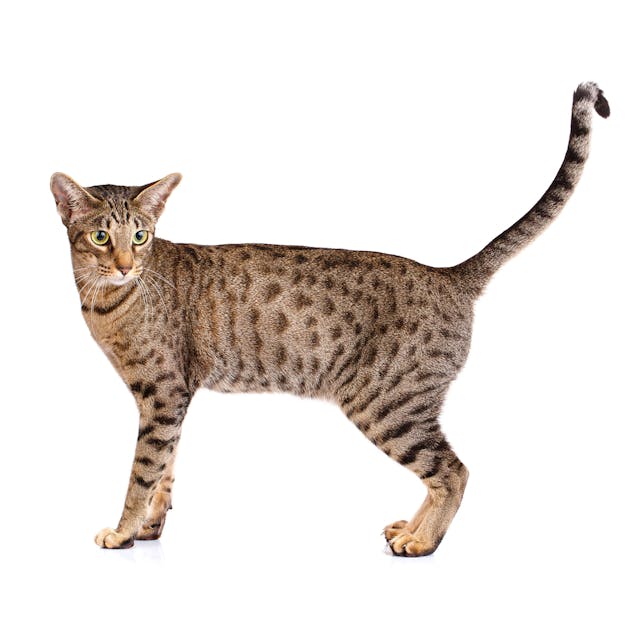
Credit: basepaws.com
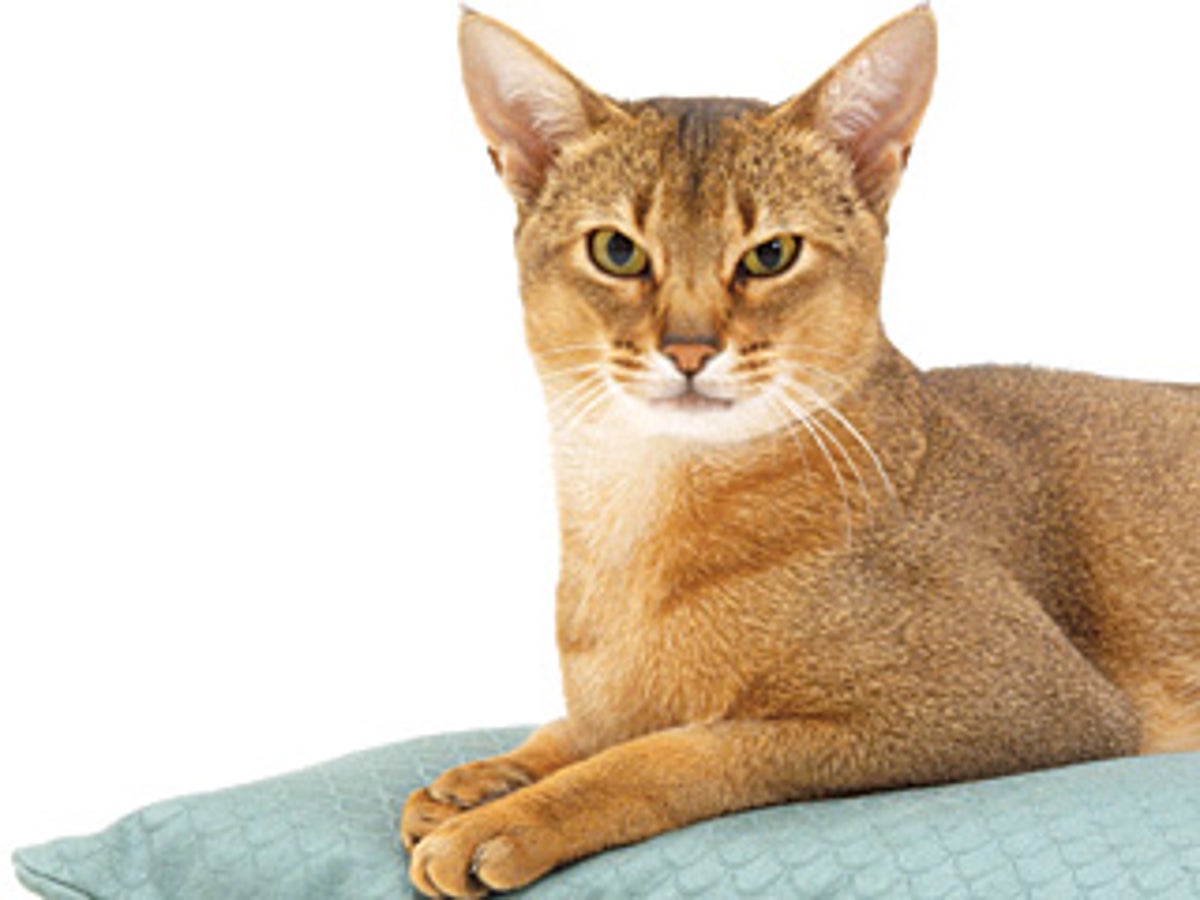
Credit: www.scientificamerican.com
Frequently Asked Questions
When Did Cat Breeds First Develop?
Cat breeds began developing around 4,000 years ago. Ancient Egyptians played a key role in selective breeding. Over time, distinct traits were emphasized, creating various recognized breeds.
How Were Early Cat Breeds Identified?
Early cat breeds were identified by physical traits and behavior. Ancient people noticed differences in size, coat patterns, and temperament. These features helped classify cats into distinct groups.
Which Cat Breed Is The Oldest Known?
The Egyptian Mau is considered one of the oldest cat breeds. It dates back to ancient Egypt, with depictions found in tomb paintings. Its natural spotted coat is a unique characteristic.
When Did Modern Cat Breeding Start?
Modern cat breeding began in the 19th century. Cat shows and breed standards helped formalize distinct breeds. This period marked the rise of pedigree cats worldwide.
Conclusion
Cat breeds began developing thousands of years ago through careful breeding. People chose cats for traits like fur, size, and personality. Over time, these traits became distinct breeds. Today, many breeds exist worldwide, each with unique features. Understanding when cat breeds started helps us appreciate their diversity.
Cats have always been close to humans, evolving together. Their history shows how nature and human care shape animals. Enjoy learning about cat breeds and their fascinating past.