
If your cat gets anxious or restless during grooming, you’re not alone. Many pet owners struggle to keep their furry friends calm and comfortable while brushing or trimming.
You might have heard that Ativan can help soothe your cat, but you’re probably wondering: what dose of Ativan calms a cat safely and effectively? Understanding the right amount is crucial—not just for your cat’s comfort, but for their health too.
Keep reading to discover how to use Ativan wisely, so grooming becomes a smoother, stress-free experience for both you and your pet.
Ativan And Cat Grooming
Ativan and cat grooming often intersect when a cat feels stressed during grooming sessions. Many cats resist brushing, nail trimming, or baths. Stress can make grooming hard for both cats and owners. Ativan, a medication, helps calm anxious cats. It reduces fear and restlessness, making grooming easier and safer.
Why Cats Need Calm During Grooming
Cats feel vulnerable during grooming. They may get scared by sudden movements or noises. Stress causes them to scratch or bite. This can hurt the owner and the cat. Calm cats stay relaxed and cooperate. Grooming becomes smoother and faster. It also helps keep cats clean and healthy without drama.
Role Of Ativan In Calming Pets
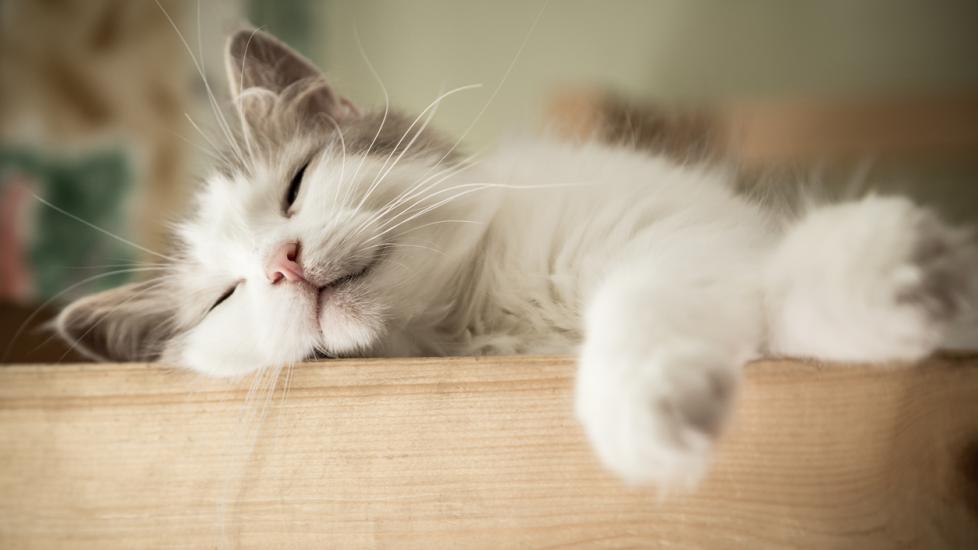
Ativan belongs to a group of drugs called benzodiazepines. It works by slowing down the nervous system. This creates a calming effect on the cat’s brain. Ativan lowers anxiety and helps cats feel safe. It is often used before grooming or vet visits. The dose must be right for the cat’s size and health. Always consult a vet before giving Ativan to a cat.
Credit: www.petmd.com
Safe Dosage Guidelines
Using Ativan to calm a cat during grooming requires careful attention to safe dosage guidelines. Proper dosing ensures the cat stays calm without harmful effects. Incorrect doses may cause side effects or fail to soothe the cat. Understanding the right dose helps protect your pet’s health and comfort.
Recommended Dosage Range
The usual Ativan dose for cats ranges from 0.01 to 0.02 mg per pound of body weight. This dose is given once before grooming. It is important not to exceed this range to avoid overdosing. Small doses help reduce anxiety while keeping the cat safe.
Factors Influencing Dosage
Several factors affect the right dose for each cat. Age plays a role; older cats may need less. Weight is critical for calculating the dose accurately. The cat’s health and medical history also matter. Stress levels and temperament can change the needed dose too.
Consulting Your Veterinarian
Always speak with a veterinarian before giving Ativan to your cat. A vet can provide the safest and most effective dose. They can monitor for side effects or reactions. Self-medicating can be risky and cause harm to your pet.
Administering Ativan To Cats
Administering Ativan to cats requires care and attention. The right dose helps calm your cat during grooming sessions. Knowing how to give the medicine properly makes the process smoother. Understanding timing and watching your cat’s reaction is also important. This section covers key points about giving Ativan safely and effectively.
Methods Of Administration
Ativan usually comes in tablet or liquid form. Tablets can be hidden in food or given directly by mouth. Liquids are easier to measure and can be placed on the cat’s tongue. Use a syringe for liquid doses to avoid spills. Always use the method your vet recommends. Avoid forcing the cat, as it may cause stress.
Timing For Best Results
Give Ativan about 30 minutes before grooming starts. This allows time for the medication to work. Plan your grooming session once the cat feels calm. Do not give it too early or too late. Follow the vet’s instructions on timing strictly. Regular timing helps your cat get used to the routine.
Monitoring Your Cat’s Response
Watch your cat carefully after giving Ativan. Look for signs of calmness or any side effects. Common side effects include drowsiness or mild dizziness. Contact your vet if your cat acts very weak or confused. Keep a record of behavior changes for future reference. Always prioritize your cat’s safety and comfort.
Potential Risks And Side Effects
Giving Ativan to calm your cat for grooming has risks. Knowing these risks helps you keep your cat safe. Watch for side effects and know when to act fast. This information guides you through common problems and serious signs.
Common Side Effects
Ativan can cause tiredness and sleepiness in cats. Some cats may seem dizzy or wobbly. Loss of appetite is another possible effect. Mild vomiting or diarrhea might occur. Most side effects are mild and go away quickly.
Signs Of Overdose
Too much Ativan can be dangerous. Look for very weak or unresponsive behavior. Trouble breathing or very slow breathing is a serious sign. Seizures or shaking can happen in overdose cases. Confusion and lack of coordination are also warning signs.
When To Seek Emergency Care
Call a vet immediately if your cat shows overdose signs. If your cat stops breathing or loses consciousness, act fast. Severe vomiting or diarrhea needs urgent attention. Do not wait if your cat acts very strange or sick. Quick help can save your cat’s life.
Alternatives To Ativan
Ativan can help calm cats during grooming, but it is not the only option. Many pet owners seek alternatives that may be safer or more natural. This section explores other ways to ease your cat’s stress. From natural methods to different medications and training tips, find options that suit your pet’s needs.
Natural Calming Techniques
Natural calming methods often work well for anxious cats. Pheromone sprays and diffusers mimic cat calming signals. These create a safe, soothing environment during grooming. Soft music or white noise can also reduce stress. Gentle petting and slow movements help your cat relax. Creating a quiet space without bright lights supports calm behavior.
Other Medication Options
Other medications may be available with a vet’s advice. Gabapentin is commonly used for calming cats before vet visits or grooming. It has fewer side effects than some drugs. Trazodone is another option for anxiety relief. Both require a prescription and proper dosage guidance. Always consult your vet before giving any medication to your cat.
Behavioral Training Tips
Training can improve your cat’s response to grooming. Start grooming sessions slowly and reward calm behavior. Use treats and praise to build positive associations. Regular, short grooming sessions help reduce fear over time. Patience and consistency are key to success. Consider consulting a cat behaviorist for personalized advice.

Credit: www.singlecare.com
Preparing Your Cat For Grooming
Preparing your cat for grooming helps reduce stress and makes the process smoother. Cats often feel anxious during grooming, so a calm approach is key. Taking time to prepare creates a better experience for both you and your cat.
Creating A Calm Environment
Choose a quiet room with few distractions. Turn off loud noises like TV or music. Soft lighting helps your cat feel relaxed. Speak in a gentle, calm voice. Keep the space tidy and free from clutter. A calm setting lowers your cat’s stress before grooming.
Grooming Tools And Techniques
Use tools designed for cats, like soft brushes or combs. Avoid sharp or rough items that can hurt your cat. Start brushing slowly and gently. Focus on areas your cat likes, such as the back or neck. Short sessions prevent your cat from becoming upset. Stop if your cat shows signs of discomfort.
Building Positive Associations
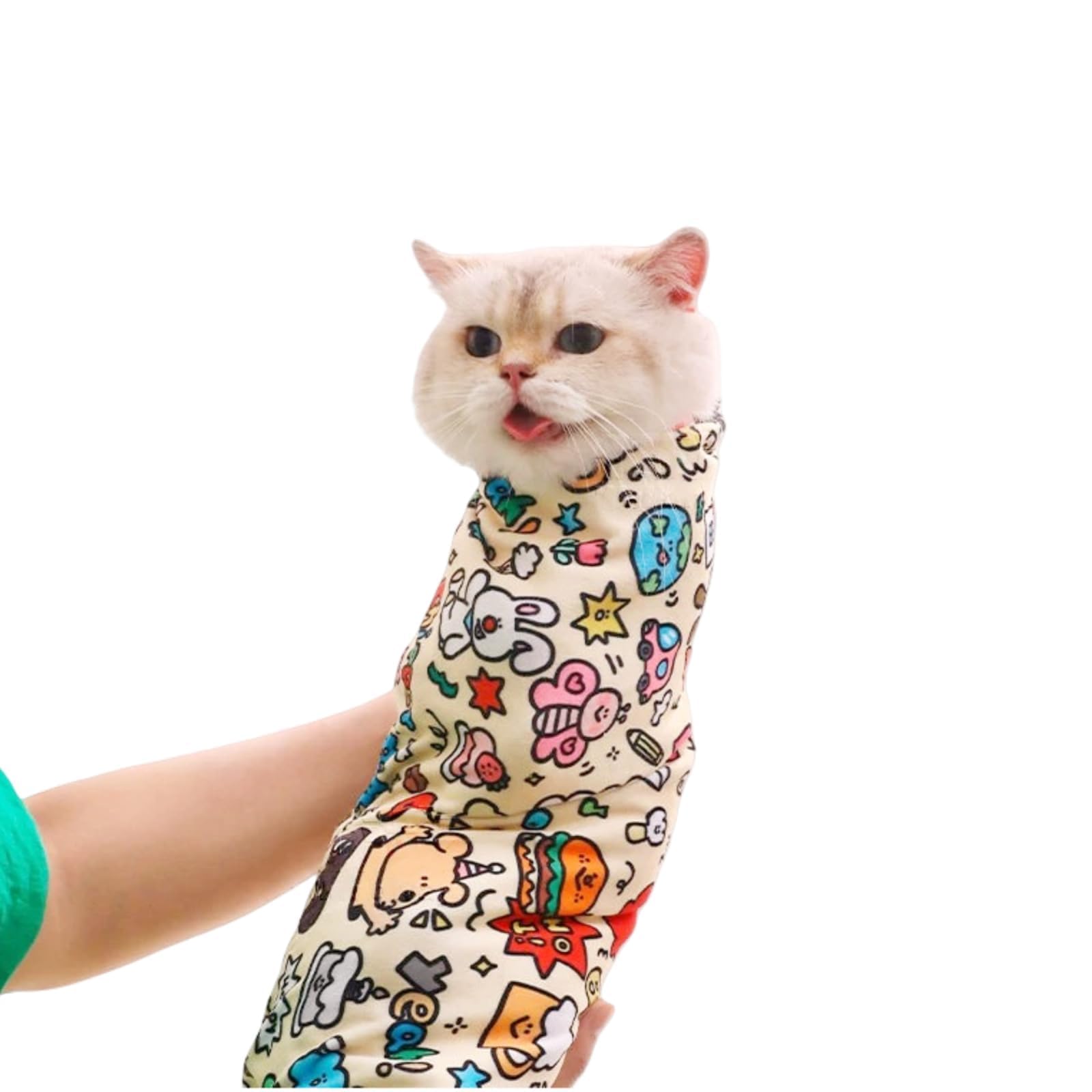
Give treats during and after grooming to reward good behavior. Praise your cat softly to create trust. Try grooming at the same time daily for routine. Use toys to distract your cat if needed. Positive moments help your cat enjoy grooming over time.
Credit: www.desertcart.sc
Frequently Asked Questions
What Is The Safe Ativan Dose For Calming Cats During Grooming?
A safe Ativan dose for cats is typically 0. 25 to 0. 5 mg per cat. Always consult a vet before use. Dosage depends on the cat’s size, health, and stress level. Proper dosing ensures safety and effective calming during grooming sessions.
How Does Ativan Help Calm Cats For Grooming?
Ativan works by reducing anxiety and calming the cat’s nervous system. It helps relax muscles and lowers stress levels. This makes grooming easier and less traumatic. The medication acts quickly, providing temporary relief during grooming.
Can I Give Ativan To My Cat Without A Vet’s Advice?
No, always consult a veterinarian before giving Ativan to your cat. Incorrect dosing or use can cause serious side effects. A vet will assess your cat’s health and recommend the right dose and safety precautions.
How Long Does Ativan Take To Calm A Cat For Grooming?
Ativan usually starts working within 30 to 60 minutes after administration. Its calming effects last for about 4 to 6 hours. This timeframe helps cover the entire grooming process comfortably.
Conclusion
Choosing the right Ativan dose helps keep your cat calm during grooming. Start with a low dose and watch your cat closely. Always ask your vet before giving any medication. Safe use ensures a less stressful grooming experience. Calm pets make grooming easier and safer for everyone.
Remember, patience and care work best alongside any medicine. Keep your cat comfortable and happy during grooming sessions.