
Have you ever caught your cat moving their paws or licking themselves while they seem to be fast asleep? It’s a curious sight that might leave you wondering, “Why does my cat groom in their sleep?” Understanding this strange behavior can give you a deeper glimpse into your furry friend’s mind and body.
Keep reading to discover the surprising reasons behind this sleepy grooming and what it means for your cat’s health and happiness. You won’t want to miss these fascinating insights!
Credit: unionlakepetservices.com
Sleep Behavior In Cats
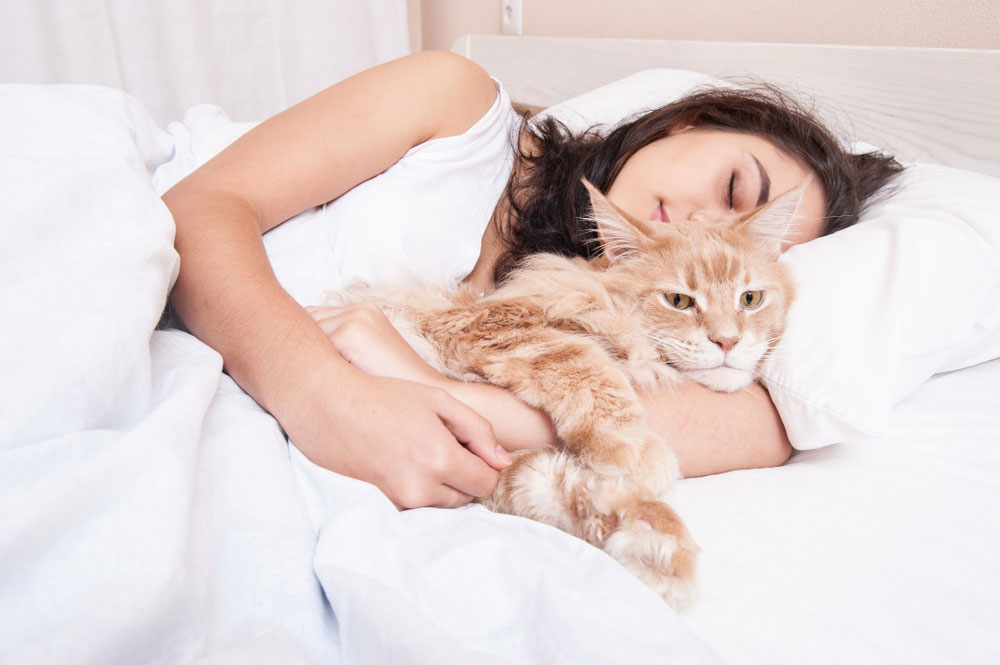
Cats spend a lot of time sleeping. Their sleep is very different from humans. Understanding their sleep behavior helps explain strange actions. Sometimes, cats even groom in their sleep. This can seem odd but makes sense when you know about cat sleep.
Sleep is a time for rest and repair. Cats also process their day while they rest. Their body and brain stay active in some ways. This activity can cause small movements, like grooming, even during sleep.
Stages Of Cat Sleep
Cats have two main sleep stages: REM and non-REM. Non-REM is deep, quiet sleep. The cat’s body is still and relaxed. REM sleep is lighter and more active. Eyes move under the eyelids. Breathing changes. Muscles twitch. Dreams may happen.
During REM, the brain is busy. This is when grooming or other movements may appear. Cats cycle between these stages many times. Each stage lasts a few minutes to half an hour. This cycle helps cats rest well and stay alert.
Common Sleep Movements
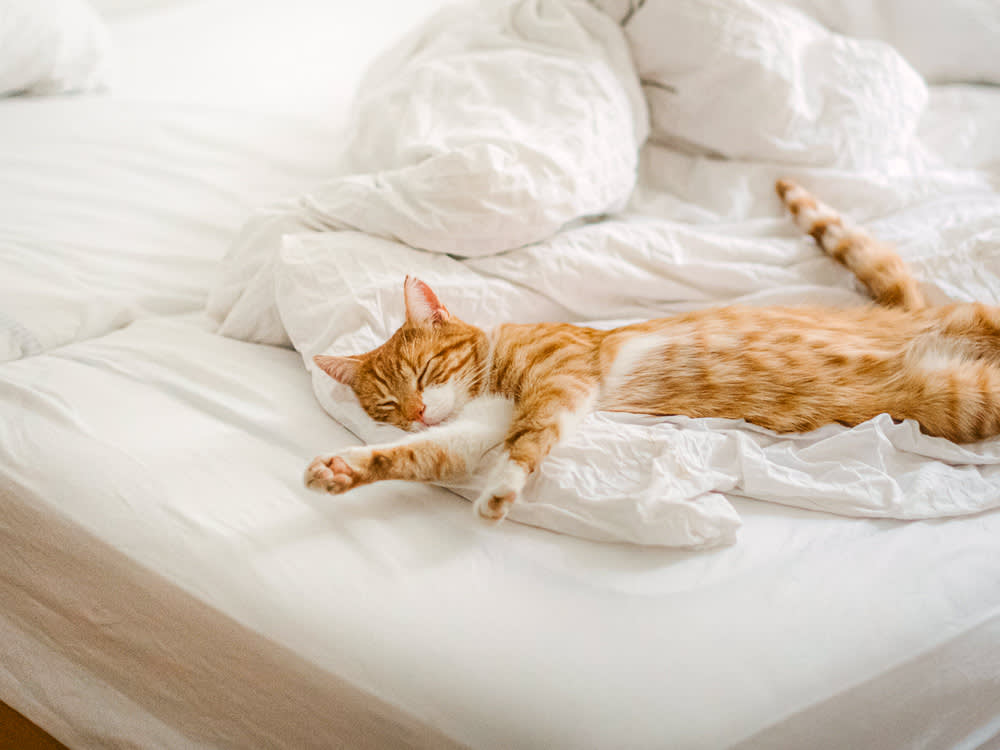
Many cats twitch their paws, whiskers, or ears while sleeping. Some may lick or groom themselves softly. This happens during REM sleep. These movements are normal and not signs of illness. They show the brain is active and the cat is dreaming.
Grooming in sleep may be a gentle reflex. It can also mean the cat is feeling safe and calm. Sometimes, cats repeat habits they do when awake. This explains why grooming can appear in sleep. Watch for quiet, soft movements to know your cat is comfortable.
Grooming Habits Of Cats
Cats spend a lot of time grooming themselves. This behavior is natural and important for their health. Grooming helps cats stay clean and feel comfortable. It also plays a role in their social life and mood.
Understanding why cats groom, even in their sleep, starts with knowing their grooming habits. These habits show how cats take care of themselves every day.
Purpose Of Grooming
Grooming keeps a cat’s fur clean and free of dirt. It removes loose hair and helps prevent mats. Cats also spread natural oils across their coat. This keeps their skin healthy and shiny.
Grooming can calm cats down. It reduces stress and helps them feel safe. Cats use grooming to show care for themselves and others. This behavior strengthens bonds between cats and their owners.
Grooming Frequency And Patterns
Cats groom many times a day, often for several minutes each time. They have favorite spots to clean, like their face, neck, and paws. Grooming can happen in short bursts or longer sessions.
Patterns vary by age, health, and mood. Younger cats groom more often than older ones. Sick or stressed cats may groom less or more than usual. Understanding these patterns helps spot health problems early.
Grooming While Asleep
Cats often groom themselves while they sleep. This behavior can confuse many cat owners. Watching a cat clean its fur during sleep looks strange but is quite normal. Understanding why this happens helps you know your pet better.
Grooming while asleep involves different body movements. These movements might be linked to the cat’s brain activity during sleep. Let’s explore what causes this unusual grooming behavior.
Sleepwalking Vs. Dreaming
Sleepwalking in cats is rare but possible. It happens when a cat moves without full awareness. Grooming during sleep is usually not sleepwalking. Instead, cats might be dreaming about grooming themselves. Dreams can cause small movements like licking or pawing. These actions appear as grooming but are part of the dream state.
Muscle Reflexes During Sleep
Muscle reflexes can trigger grooming motions while cats rest. During certain sleep stages, muscles twitch naturally. These twitches may look like grooming actions. The brain sends signals that cause these reflexes. They help keep muscles active and responsive. This reflex is normal and shows a healthy nervous system.

Credit: www.healthline.com
Possible Reasons For Sleep Grooming
Cats grooming themselves is normal. But grooming during sleep can seem strange. This behavior might puzzle many cat owners. It shows how complex cats’ minds and bodies are. Understanding why cats groom in their sleep helps us care for them better. Below are some possible reasons for this curious habit.
Stress And Anxiety
Stress can cause cats to groom even when asleep. Grooming soothes cats and lowers their stress levels. Sometimes, anxiety makes cats repeat grooming actions. They might do this without full awareness. Sleep grooming might be a way to calm down. It is a sign your cat feels uneasy.
Neurological Factors
Sleep grooming might come from brain activity. During sleep, cats’ brains stay active. Some parts may trigger grooming motions. This could be linked to dreaming or muscle memory. Small nerve signals may cause cats to groom while resting. It is a normal part of how their brain works.
Health Concerns
Sometimes, grooming in sleep shows health issues. Skin irritations or allergies can cause itching. Cats might scratch or lick in their sleep to ease discomfort. Parasites like fleas may also trigger this behavior. If grooming seems excessive, check your cat’s health. A vet visit helps rule out problems.
When To Seek Veterinary Advice
Not all grooming during sleep is normal. Sometimes, it signals a health problem. Knowing when to seek veterinary advice helps keep your cat safe and healthy.
Watch your cat closely. Unusual grooming might mean pain or stress. Acting early can prevent bigger issues.
Signs Of Underlying Issues
Look for constant licking or biting in one spot. Bald patches or sores can appear. Your cat may seem restless or uncomfortable. Excessive grooming may cause skin damage. These signs suggest an underlying health problem.
Monitoring Your Cat’s Behavior
Track how often your cat grooms during sleep. Note any changes in energy or appetite. Observe if grooming increases after stress or injury. Keep a record to share with your vet. This helps find the cause and best treatment.
Credit: www.kinship.com
Tips To Support Healthy Grooming
Supporting your cat’s grooming habits helps keep them healthy and happy. Healthy grooming prevents skin problems and fur mats. It also reduces stress and keeps your cat comfortable. Simple steps can make a big difference in your cat’s grooming routine.
Creating A Calm Environment
Cats groom best when they feel safe and calm. Choose a quiet spot for your cat to relax. Avoid loud noises or sudden movements nearby. Soft lighting helps your cat stay peaceful. A calm space encourages gentle and thorough grooming. Offer a cozy bed or blanket to increase comfort. This calmness supports natural grooming habits.
Regular Health Checks
Check your cat’s skin and fur often for any changes. Look for redness, bumps, or bald spots. Regular vet visits catch skin or health issues early. Healthy cats groom themselves more easily. Keep your cat’s nails trimmed to avoid scratching. Clean their ears and eyes to prevent infections. These checks help maintain good grooming and overall health.
Frequently Asked Questions
Why Does My Cat Groom While Sleeping?
Cats sometimes groom during sleep due to muscle twitches or dreaming. Grooming motions can occur in their REM sleep phase. This behavior is harmless and reflects natural instincts even in deep rest.
Is Sleep Grooming Normal For Cats?
Yes, sleep grooming is normal. It shows your cat’s brain is active during sleep cycles. This behavior is common and not a sign of illness.
Can Sleep Grooming Indicate Health Issues?
Usually no, sleep grooming is harmless. However, excessive grooming while awake may signal skin problems or stress. Consult a vet if you notice constant grooming or skin damage.
Do All Cats Groom In Their Sleep?
Not all cats groom in their sleep, but many do. It depends on the cat’s personality and sleep patterns. Sleep grooming varies from cat to cat.
Conclusion
Cats grooming in their sleep shows their comfort and trust. This behavior helps keep them clean, even while resting. It may also mean they are dreaming or feeling relaxed. Watching your cat’s sleep grooming can be a sign of a happy pet.
Understanding this habit helps you connect with your cat better. Remember, each cat is unique and may show different behaviors. Enjoy these little moments—they reveal a lot about your furry friend. Keep observing and caring for your cat with love and patience.