
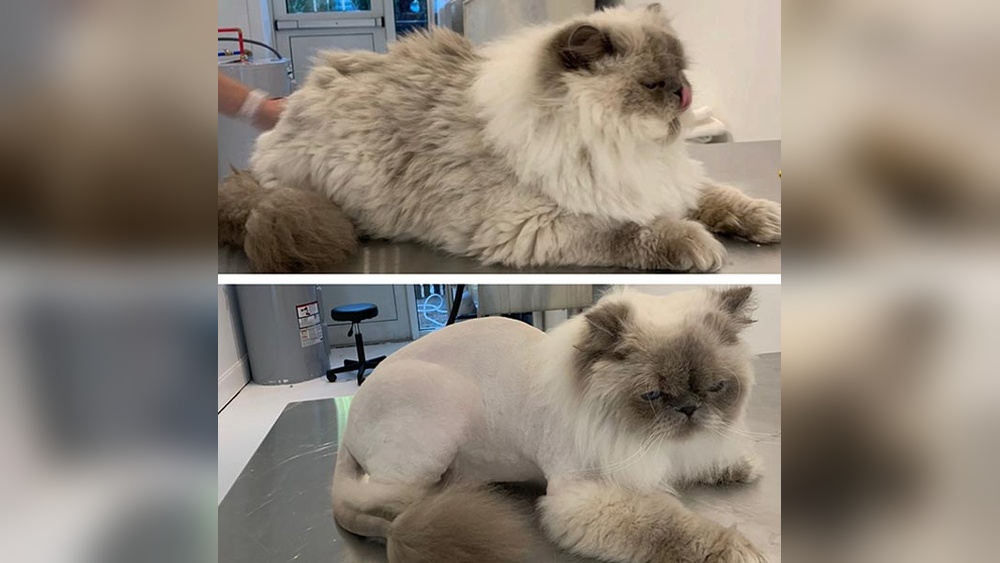
Taking care of your cat goes beyond just feeding and playing. Grooming is a key part of keeping your furry friend healthy and happy.
But what exactly should you do to groom your cat properly? If you want to learn simple, effective ways to keep your cat’s coat shiny, skin clean, and nails trimmed without stress, this guide is for you. Keep reading to discover the grooming tips every cat owner needs to know.
Your cat will thank you!
Daily Brushing
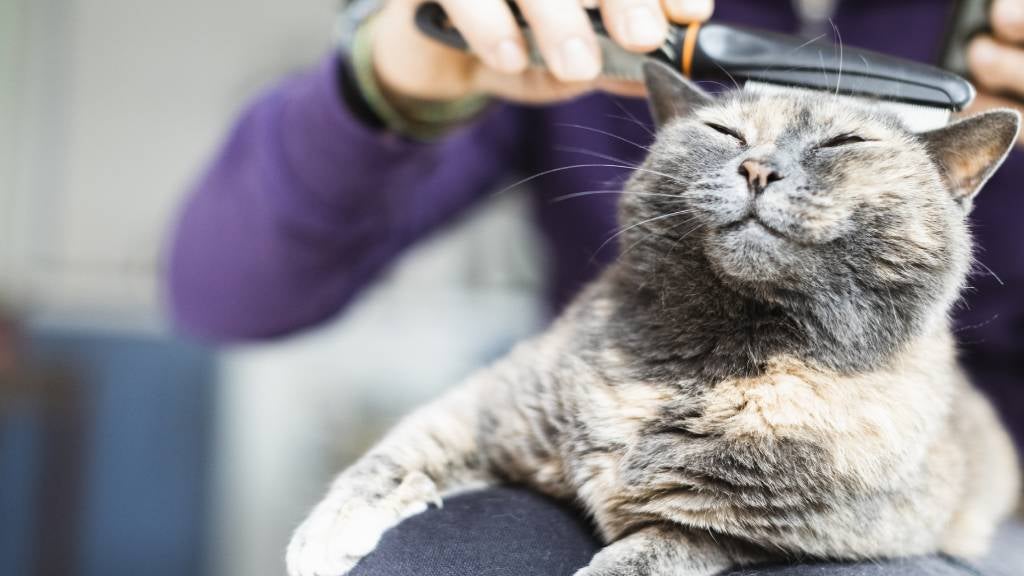
Daily brushing is an important part of cat care. It keeps your cat’s coat clean and healthy. Brushing every day helps stop mats and tangles. It also reduces shedding and hairballs. Spending a few minutes brushing your cat can improve their comfort and appearance.
Choosing The Right Brush
Select a brush that fits your cat’s fur type. For short hair, a rubber brush or soft bristle brush works well. Long-haired cats need a wide-toothed comb or slicker brush. Avoid brushes with sharp edges to protect your cat’s skin. Choose a comfortable handle for better control during brushing.
Techniques For Different Fur Types
For short hair, brush gently in the direction of fur growth. Use light strokes to remove loose hair. Long-haired cats need careful brushing to prevent tangles. Start from the head and move towards the tail. Separate fur into sections to brush all areas. Be gentle around sensitive spots like the belly and tail.
Benefits Of Regular Brushing
Brushing daily keeps your cat’s coat shiny and soft. It removes dirt and dead hair effectively. Regular brushing lowers the risk of hairballs forming. It also helps you check for skin problems or parasites early. Brushing strengthens your bond with your cat through gentle touch.
Credit: www.aspca.org
Bathing Your Cat
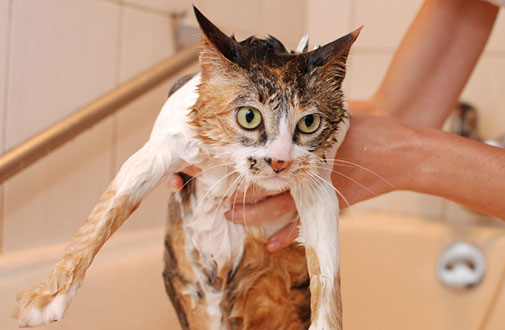
Bathing your cat can be a tricky task. Cats usually groom themselves well, so they don’t need frequent baths. But sometimes, a bath is necessary. It helps remove dirt, loose fur, and allergens from their coat. Bathing also keeps your cat clean and healthy, especially if they get into something sticky or dirty.
How Often To Bathe
Cats rarely need baths. Most cats stay clean by licking their fur. Bathing once every few months is enough for most cats. Bath more often only if your cat is very dirty or has skin problems. Overbathing can dry out their skin and cause irritation.
Safe Shampoos And Products
Use shampoos made just for cats. Human shampoos or dog shampoos can harm their skin. Look for gentle, tear-free, and fragrance-free cat shampoos. Avoid harsh chemicals and strong scents. Always read the label to make sure the product is safe for cats.
Step-by-step Bathing Guide
Start by brushing your cat to remove loose fur. Fill a sink or tub with a few inches of warm water. Gently place your cat in the water. Use a cup to wet their fur slowly. Apply a small amount of cat shampoo and lather carefully. Avoid their eyes, ears, and nose. Rinse thoroughly with warm water to remove all shampoo. Wrap your cat in a soft towel and dry them as much as possible. Keep your cat warm until fully dry.
Nail Care
Nail care is an important part of cat grooming. Cats use their claws for many things, like climbing and scratching. Keeping their nails trimmed helps protect your furniture and skin. It also keeps your cat comfortable and healthy.
Regular nail trimming prevents nails from becoming too long or sharp. Long nails can cause pain or infections. Nail care also helps reduce damage from scratching during play or defense.
When To Trim Nails
Check your cat’s nails every two weeks. Look for nails that touch the ground or curl. These nails need trimming. Some cats who go outside may wear nails down naturally. Indoor cats often need more frequent trims.
Watch your cat’s behavior too. If they scratch furniture more or seem uncomfortable, check their nails. Trim nails before they get too long or sharp.
Safe Nail Trimming Tips
Use nail clippers made for cats. Hold your cat’s paw gently but firmly. Avoid cutting too close to the pink part inside the nail. This part is called the quick. It has nerves and blood vessels.
Cut small bits at a time. Stop if you see a pink area. If unsure, trim less and try again later. Keep your cat calm with soft words and breaks. Reward your cat after trimming to make it positive.
Dealing With Scratches
Scratches happen, even with nail care. Clean any scratches on your skin with soap and water. Use an antiseptic if needed. Watch for signs of infection like redness or swelling.
Teach your cat to use scratching posts. This protects your skin and furniture. Keep your cat’s nails trimmed to reduce scratch damage. Regular grooming helps keep both you and your cat safe.
Credit: www.rspcapetinsurance.org.au
Ear Cleaning
Ear cleaning is an important part of cat grooming. Cats use their ears for hearing and balance. Dirty ears can cause discomfort and infections. Regular cleaning helps keep your cat healthy and happy. It also lets you spot any problems early. Learn how to recognize ear issues, clean safely, and know when to visit the vet.
Signs Of Ear Issues
Watch for your cat scratching its ears often. Head shaking is another common sign. You may notice redness or swelling inside the ear. A bad smell or dark discharge can mean infection. Your cat might also tilt its head to one side. Pay attention to any changes in behavior or appetite.
Cleaning Methods
Use a vet-approved ear cleaner for cats only. Put a few drops into the ear canal gently. Massage the base of the ear to loosen debris. Let your cat shake its head to remove dirt. Wipe the outer ear with a soft cloth or cotton ball. Avoid using cotton swabs inside the ear canal. Clean ears once every few weeks or as needed.
When To See A Vet
If your cat shows pain during cleaning, stop immediately. Persistent redness, swelling, or discharge needs professional care. Hearing loss or balance problems require a vet check. Ear mites or fungal infections need special treatment. Always consult a vet for ongoing ear problems or if unsure about cleaning.
Dental Hygiene
Dental hygiene is an important part of caring for your cat. Clean teeth help prevent pain and illness. Cats can develop plaque and tartar that harm their gums and teeth. Regular care keeps their mouth healthy and fresh.
Brushing Your Cat’s Teeth
Brushing your cat’s teeth is the best way to remove plaque. Use a soft toothbrush made for cats. Choose toothpaste with a flavor your cat likes. Brush gently in small circles. Start slowly to help your cat get used to it.
Dental Treats And Toys
Dental treats and toys help clean teeth between brushings. They reduce plaque by scrubbing the teeth as cats chew. Choose treats made for dental health. Toys designed for chewing also massage gums and reduce buildup.
Preventing Oral Diseases
Good dental care prevents painful oral diseases. Gum disease and tooth decay are common in cats without care. Watch for bad breath, red gums, or trouble eating. Regular vet check-ups catch problems early. Healthy teeth mean a happier cat.
Coat And Skin Checks
Checking your cat’s coat and skin is an important part of grooming. Healthy skin and fur show your cat feels good. Regular checks help catch problems early. These checks also keep your cat comfortable and clean. Spend a few minutes each week feeling and looking at your cat’s fur and skin.
Detecting Parasites
Look closely for tiny bugs or eggs in the fur. Fleas and ticks hide near the neck and tail. Use your fingers to part the fur. Feel for small bumps or moving insects. Check behind the ears and under the legs. Parasites can cause itching and discomfort. Early detection stops bigger problems.
Spotting Skin Problems
Notice any red spots, bumps, or scabs. Dry or flaky skin means your cat may have irritation. Bald patches can show hair loss from scratching. Watch for swelling or wounds. Cats may hide pain, so check gently. Healthy skin feels smooth and soft. Report unusual signs to your vet quickly.
Preventive Measures
Keep your cat’s coat clean by brushing often. Regular grooming removes dirt and loose hair. Use flea prevention treatments as advised by your vet. Keep your cat’s bedding clean and dry. Balanced diet helps maintain good skin health. Avoid harsh shampoos that dry out fur. Consistent care reduces the risk of skin issues.
Eye Care
Caring for your cat’s eyes is important to keep them healthy and bright. Cats may have eye problems that need attention. Regular care helps prevent infections and discomfort. Watch your cat’s eyes closely for any changes.
Cleaning Techniques
Use a soft, damp cloth or cotton ball to clean around the eyes. Wipe gently from the inner corner outward. Avoid touching the eyeball directly. Use warm water only. Clean any discharge or dirt daily. Always use a clean cloth for each eye to prevent spreading germs.
Common Eye Issues
Many cats get watery or red eyes. They may have discharge or swelling. Some develop eye infections or allergies. Look for squinting or rubbing eyes often. Cloudiness or changes in eye color need attention. These signs mean your cat may have an eye problem.
When To Consult A Vet
Visit the vet if your cat’s eyes stay red or swollen. If discharge is thick, yellow, or green, see the vet. Sudden blindness or eye injury needs urgent care. Persistent rubbing or scratching the eyes is a warning. Early treatment avoids serious eye damage.
Credit: smoochie-pooch.com
Handling Grooming Stress
Grooming can be stressful for many cats. Stress can make grooming hard for both pets and owners. Handling this stress well helps keep cats calm and safe. It also makes grooming easier and more effective.
Making Grooming Comfortable
Start grooming in a quiet, calm place. Use soft brushes that feel good on your cat’s fur. Keep sessions short at first to avoid overwhelming your cat. Let your cat explore the grooming tools before you start. Gently pet your cat during grooming to relax it. Watch your cat’s body language for signs of stress.
Using Positive Reinforcement
Reward your cat with treats during and after grooming. Use a calm and gentle voice to soothe your cat. Praise your cat for staying calm or cooperating. This helps your cat connect grooming with good things. Repeat grooming often to build a positive habit. Avoid punishment or harsh words, which increase stress.
When To Seek Professional Help
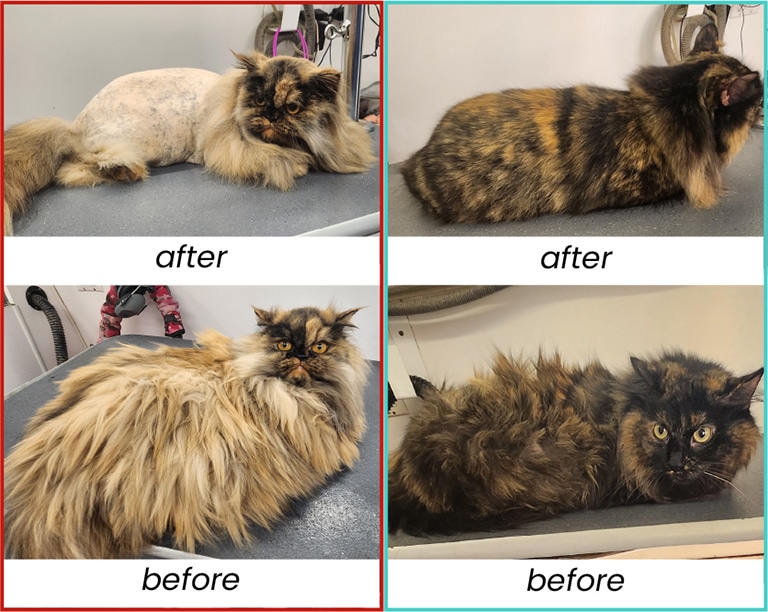
Look for a vet or groomer if your cat is very stressed. Professionals know how to handle difficult cats safely. They use special tools and techniques for comfort. If your cat has skin problems or mats, get expert care. Regular professional grooming can reduce stress over time. Do not wait if grooming becomes too hard or unsafe.
Frequently Asked Questions
How Often Should You Groom A Cat?
Cats should be groomed at least once a week. Long-haired cats need daily grooming to prevent tangles and mats. Regular grooming removes loose fur and reduces hairballs, keeping your cat healthy and comfortable.
What Tools Are Best For Cat Grooming?
Use a soft-bristle brush for short-haired cats. For long-haired cats, a wide-tooth comb and slicker brush work best. Nail clippers, grooming wipes, and a gentle shampoo are also essential tools for proper grooming.
How Do You Safely Trim A Cat’s Nails?
Use cat-specific nail clippers and trim only the sharp tips. Avoid cutting the quick, which is the pink part inside the nail. Trim nails every 1-2 weeks to prevent overgrowth and damage to furniture.
Why Is Regular Brushing Important For Cats?
Brushing removes loose fur, preventing hairballs and skin issues. It also stimulates blood circulation and strengthens your bond with your cat. Regular brushing keeps your cat’s coat shiny and healthy.
Conclusion
Grooming helps keep your cat clean and healthy. Regular brushing removes loose fur and prevents mats. Trimming nails avoids scratches and pain. Cleaning ears stops infections early. Brushing teeth supports fresh breath and strong gums. A calm routine builds trust and reduces stress.
Watch your cat’s skin and coat for changes. Small daily efforts make a big difference. Happy cats feel better and live longer. Start grooming today to care for your furry friend well.