
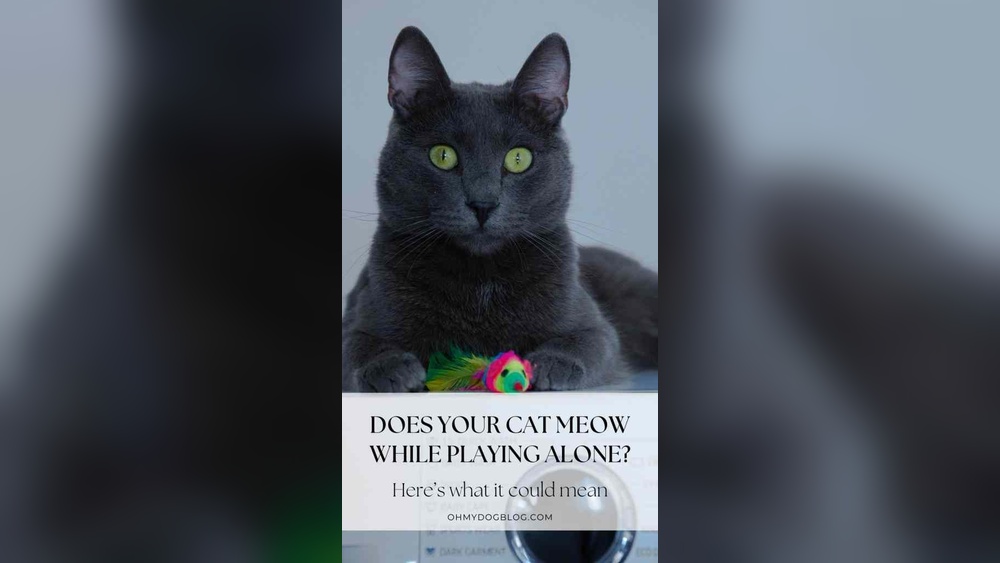
Have you ever watched your cat play with a toy mouse and noticed it suddenly start to cry or meow loudly? It can be puzzling and even a little worrying.
You might wonder, “Why does my cat cry when it has a toy mouse? ” Understanding this behavior can help you connect better with your furry friend and make playtime more enjoyable for both of you. Keep reading, because uncovering the reasons behind this curious reaction will change the way you see your cat’s playful moments forever.
Cats And Toy Mice
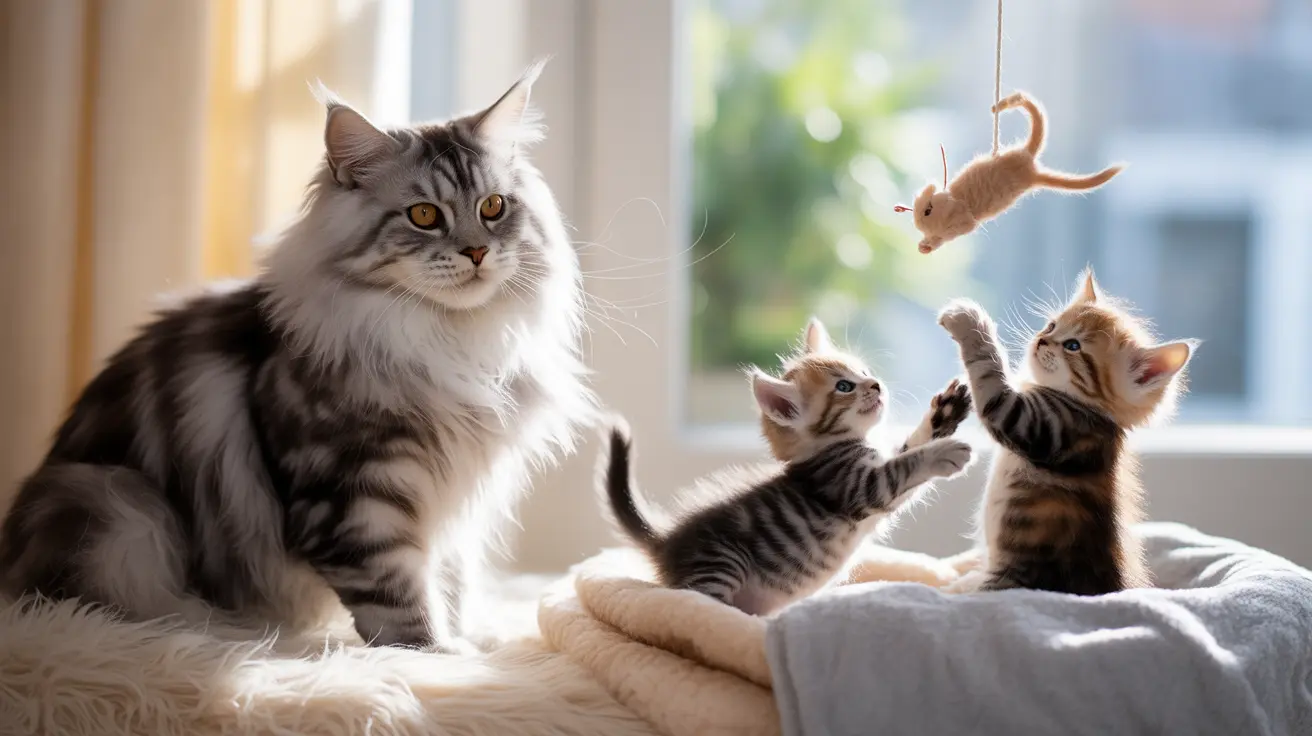
Cats love to play with toy mice. These small toys catch their attention quickly. Toy mice mimic real prey, so cats feel excited and curious. Playing with toy mice helps cats stay active and happy.
Owners often wonder why cats cry or make noises while playing with these toys. The sounds may seem strange but have reasons behind them. Understanding these behaviors helps improve the bond with your cat.
Attraction To Toy Mice
Cats are natural hunters. Toy mice look like small animals they want to catch. The size, shape, and movement of toy mice attract cats. Some toys even have feathers or bells to make them more interesting.
These toys trigger a cat’s hunting instincts. Cats focus on the toy like real prey. This attraction makes playtime fun and exciting.
Common Play Behaviors
Cats use paws and teeth to catch toy mice. They may stalk, pounce, and bite during play. Some cats carry the toy in their mouth and “cry” or meow loudly.
These sounds show excitement or frustration. Crying can mean the cat is trying to claim the toy or wants attention. It is part of their natural behavior during play.
Credit: www.petscare.com
Tears And Cats
Cats often show tears around their eyes, especially when playing with toy mice. These tears can be puzzling for many cat owners. Understanding why cats cry helps us care better for them. Cats have different reasons for tearing than humans do.
Do Cats Cry Like Humans?
Cats do not cry to show emotions like humans. Tears in cats do not mean sadness or pain as in people. Instead, cat tears serve mostly to protect their eyes. Cats produce tears to keep their eyes clean and moist. Emotional crying is a human trait, not seen in cats.
Physical Causes Of Tearing
Tears in cats can happen due to physical reasons. Dust or small particles can irritate their eyes. Toy mice may have tiny fibers that cause eye irritation. Eye infections can also cause tearing in cats. Sometimes blocked tear ducts lead to watery eyes. Watching for signs of infection is important for health.
Emotional Triggers
Cats often cry while playing with a toy mouse. This behavior can be linked to their emotions. Emotional triggers play a big role in why cats vocalize during play. Understanding these triggers helps us see their feelings better.
Stress And Anxiety
Stress can cause cats to cry during play. Loud noises or sudden movements may scare them. The toy mouse might remind them of real prey. This can make them feel tense or nervous. Crying is a way to show their stress or fear. It helps them release some of their anxiety.
Frustration During Play
Cats want to catch the toy mouse perfectly. Sometimes, the mouse slips away or moves too fast. This can cause frustration. They cry to express their disappointment. It is their way of saying, “I want to catch it!” This shows their strong hunting instinct and desire to succeed.
Health Concerns
Cats sometimes cry while playing with toy mice. This reaction can signal health concerns. Understanding these issues helps keep cats safe and happy. Pay attention to your cat’s behavior and health.
Eye Irritations
Toy mice can carry dust and small particles. These irritate a cat’s eyes easily. Cats may rub their eyes or tear up. Tears protect eyes but can look like crying. Check toy mice for dirt or loose fibers. Clean or replace toys often to avoid eye problems.
Allergic Reactions
Some cats are allergic to materials in toy mice. Fabrics, stuffing, or scents may cause reactions. Symptoms include watery eyes, sneezing, or itching. Allergies can make cats uncomfortable and upset. Choose hypoallergenic toys to reduce risks. Watch your cat’s response to new toys closely.
Communication Through Tears
Cats use many ways to communicate. Tears are one way cats show their feelings. When a cat cries with a toy mouse, it is trying to say something. These tears can tell us what the cat feels inside. Understanding these signs helps us care for cats better.
Signaling Discomfort
Cats may cry to show discomfort. The toy mouse might hurt their eyes or paws. Sometimes, the toy is too rough or dirty. Tears help the cat tell us it feels pain. Watch for other signs like blinking or rubbing eyes.
Seeking Attention
Cats cry to get your attention. Holding a toy mouse and crying can be a call for play. They want you to join and interact. Tears can be a way to say, “Look at me!” Responding helps build a strong bond with your cat.
Preventing Tearful Play
Cats crying while playing with toy mice can worry pet owners. Tears may mean discomfort or stress. Preventing tearful play helps your cat enjoy toys safely and happily. Careful choices and a calm space reduce crying and keep playtime fun.
Choosing Safe Toys
Select toys made from soft, non-toxic materials. Avoid small parts that cats can swallow or choke on. Choose toys with no sharp edges. Durable toys last longer and keep your cat safe. Replace worn toys quickly to avoid injuries.
Creating A Comfortable Environment
Provide a quiet, calm space for play. Too much noise or activity can stress cats. Use soft lighting and a cozy area. Keep distractions low during playtime. A relaxed environment helps cats feel safe and enjoy their toys more.
When To See A Vet
Cats sometimes cry while playing with toy mice. This can be normal, but it can also mean a problem. Knowing when to see a vet helps keep your cat healthy. Watch your cat closely during and after playtime. Some signs mean you should get professional help quickly.
Persistent Tearing
Tears that do not stop after playtime are a concern. If your cat’s eyes stay watery or wet for hours, it needs a checkup. Constant tearing may show eye irritation or infection. A vet can find the cause and give the right treatment. Do not wait if tearing lasts more than a day.
Other Warning Signs
Look for other signs with crying or tearing. Redness around the eyes can mean irritation. Swelling or discharge is a strong warning. Squinting or rubbing the eyes shows pain. Loss of appetite or hiding after playing is unusual. These signs need prompt vet attention to avoid serious issues.

Credit: www.petscare.com
Credit: www.reddit.com
Frequently Asked Questions
Why Do Cats Cry With Toy Mice?
Cats cry with toy mice to express excitement or frustration. They mimic hunting instincts, combining play with vocal communication. Crying signals their emotional engagement, enhancing interaction with the toy and owner.
Is Crying Normal When Cats Play With Toys?
Yes, crying is normal. It shows a cat’s natural hunting behavior and emotional expression. Vocalizing helps cats release energy and stay mentally stimulated during play.
Can Toy Mice Cause Stress In Cats?
Toy mice generally reduce stress by satisfying hunting urges. However, overly aggressive play or frustration may cause temporary vocal distress. Proper supervision ensures play remains positive and stress-free.
Do Cats Cry Differently With Real Mice Versus Toys?
Cats may vocalize differently with real mice due to heightened excitement or alertness. Toy mice elicit softer cries, reflecting playful rather than survival-driven emotions.
Conclusion
Cats cry with a toy mouse for many reasons. They may feel excited or want attention. Sometimes, it shows their hunting instincts. Watching this behavior helps us understand them better. Every cat is different and reacts uniquely. Playtime keeps cats happy and healthy.
Pay attention to their sounds and actions. This builds a stronger bond with your pet. Enjoy the playful moments with your cat. They communicate in their own special way.