
Have you ever wondered what happens if you try to groom a cat’s tongue? It might sound strange, but understanding this can change the way you care for your furry friend.
Your cat’s tongue is not just any tongue—it’s a unique tool designed for grooming, eating, and even protecting itself. If you’re curious about what makes it so special and what happens when you interfere with it, keep reading. You’ll discover surprising facts that could help you keep your cat healthier and happier.
Don’t miss out on learning how to respect your cat’s natural grooming habits!
Cat Tongue Anatomy
A cat’s tongue is not like a human tongue. It has a unique design that helps cats clean themselves well. This special tongue helps cats remove dirt, loose fur, and even parasites from their fur. The anatomy of a cat’s tongue is made for grooming, eating, and even drinking.
Understanding the structure of a cat’s tongue explains why grooming feels rough or scratchy. It is all because of tiny, hook-like structures on the tongue’s surface. These structures play a major role in keeping cats clean and healthy.
Unique Texture And Structure
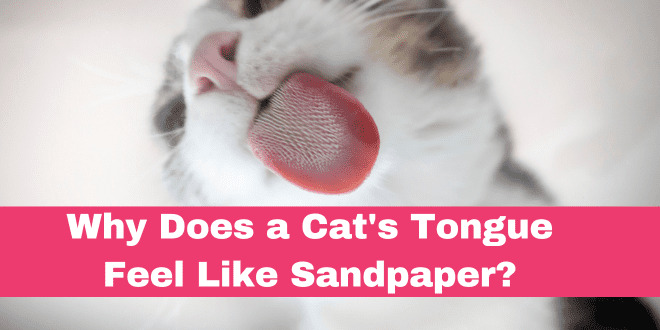
A cat’s tongue is covered with tiny, sharp spines. These spines point backward toward the throat. They are made of keratin, the same material found in human fingernails.
The rough texture helps cats catch loose fur and dirt easily. It also works like a comb to remove dead skin and debris. This roughness can feel like sandpaper to human touch.
Role Of Papillae
Papillae are the small, hook-shaped projections on the cat’s tongue. They help with grooming by scraping the fur clean. These papillae also help cats lick meat from bones when they eat.
Besides grooming, papillae help cats drink water by guiding liquid into their mouths. They play an important role in a cat’s daily hygiene and feeding habits.
Why Cats Groom Themselves
Cats spend a lot of time licking their fur. This is not just a habit. Grooming is very important for cats. It helps them in many ways. Understanding why cats groom themselves helps us care for them better.
Cleaning And Hygiene
Cats use their tongues to clean dirt and dust from their fur. Their tongue is rough, like tiny hooks. These hooks pull out loose hair and dirt. This keeps their coat clean and healthy. Grooming also removes parasites like fleas.
Temperature Regulation
Grooming helps cats cool down. When they lick their fur, saliva spreads over their body. The saliva evaporates and cools their skin. This is very helpful on hot days. Grooming helps cats stay comfortable and avoid overheating.
Stress Relief
Grooming is calming for cats. It helps them relax and feel safe. When cats feel nervous or scared, they groom more. This reduces their stress and worries. Grooming is like a self-soothing activity for cats.
Grooming A Cat Tongue Yourself
Grooming a cat tongue yourself may sound strange, but some pet owners wonder about it. Cats use their tongues to clean themselves, so their tongues have tiny, rough structures. These help remove loose fur and dirt from their coats. The idea of grooming a cat tongue means cleaning or caring for this rough surface directly.
This task is unusual and not a common part of regular cat care. Many wonder if it is even possible or safe. Understanding the risks and challenges helps decide whether to try it or leave it to a vet.
Is It Possible?
Cleaning a cat’s tongue yourself is very difficult. The tongue is small and moves quickly. Cats usually do not allow others to touch their tongues. The rough texture of the tongue makes it hard to clean gently.
Special tools or veterinary help may be needed. Most people cannot reach or hold the tongue safely. The cat might bite or scratch out of fear or pain. This makes grooming the tongue at home almost impossible.
Risks And Challenges
Trying to groom a cat tongue can cause harm. The cat may get stressed or scared. Stress can lead to health problems or behavior changes. The cat might bite or scratch, causing injury.
The tongue is delicate and full of nerves. Rough handling can cause pain or damage. Infection is possible if the tongue gets hurt. Cleaning a cat’s tongue without knowledge can do more harm than good.
Veterinarians have tools and training to care for a cat’s tongue safely. Most experts advise against grooming a cat tongue at home. Focus on regular grooming of the cat’s fur and nails instead.
Credit: www.torontohumanesociety.com
Effects On Cat Health
Grooming a cat’s tongue is not a common practice. The cat’s tongue has tiny, rough structures called papillae. These help cats clean their fur and eat food. Trying to groom the tongue can affect the cat’s health in several ways.
The tongue is sensitive and plays a key role in a cat’s hygiene. Any interference can cause problems. Understanding these effects helps keep cats safe and healthy.
Impact On Oral Hygiene
The cat’s tongue works like a natural brush. It removes dirt and loose fur from the coat. The rough texture helps clean teeth gently. Grooming the tongue can damage this natural cleaning process.
If the tongue is hurt, cats may stop grooming themselves. This can lead to dirty fur and bad breath. Poor oral hygiene may cause infections and dental problems.
Potential Harm To Tongue Tissue
The tongue tissue is delicate and can get injured easily. Rough grooming or harsh tools can cause cuts or irritation. This can lead to pain and swelling.
Infections may develop if wounds do not heal quickly. Cats may have trouble eating or drinking. Care should be taken to avoid harming the tongue tissue.
Human Interaction With Cat Tongues
Human interaction with a cat’s tongue is unusual but interesting. Cat tongues have tiny, rough structures called papillae. These help cats clean their fur and eat food. Touching or grooming a cat’s tongue feels strange because of these small hooks.
Understanding what happens during this interaction helps people stay safe and respect their pets.
What Happens If You Touch A Cat’s Tongue?
Touching a cat’s tongue can feel like sandpaper on your skin. The papillae are made of keratin, the same material as human nails. They are stiff and point backward. This rough texture helps cats groom themselves well.
When you touch a cat’s tongue, the cat might pull away quickly. Some cats may try to lick you back. Others might try to bite gently. It is a natural reaction to the tickling and rough feeling.
Health Precautions
Cat tongues carry bacteria from their mouths. These bacteria help clean their fur but can cause infections in humans. Avoid putting your fingers inside a cat’s mouth or licking a cat’s tongue.
Wash your hands thoroughly after touching a cat’s tongue. Be careful if you have cuts or open wounds on your skin. Seek medical advice if you notice redness, swelling, or pain after contact.
Respect the cat’s comfort and boundaries. This keeps both you and the cat safe during interactions.

Credit: www.amazon.com
Surprising Facts About Cat Grooming
Cats spend a lot of time grooming themselves. Their grooming habits hold many surprises. Understanding these facts helps appreciate their unique behavior. Grooming keeps cats clean and healthy. It also has deeper meanings beyond hygiene.
Self-grooming Speed
Cats groom themselves very quickly. They use their tongue to clean their fur. Their tongue moves fast to cover large areas. This speed helps remove dirt and loose hair efficiently. A cat can finish grooming in just a few minutes.
Tongue Sensitivity
A cat’s tongue is very sensitive. It has tiny, hook-like structures called papillae. These hooks help remove dirt and loose fur. They also make grooming feel soothing to cats. The tongue’s texture helps spread natural oils on their fur.
Grooming And Bonding
Cats also groom other cats and people. This behavior builds trust and friendship. Grooming each other is a sign of affection. It helps cats feel safe and connected. Grooming strengthens bonds within a cat family or with humans.
Alternatives To Grooming A Cat’s Tongue
Grooming a cat’s tongue directly is not practical or safe. The cat’s tongue is rough and sensitive, designed to clean fur naturally. Instead, other methods help keep your cat clean and healthy. These alternatives support your cat’s grooming needs without causing stress or harm.
Regular Brushing
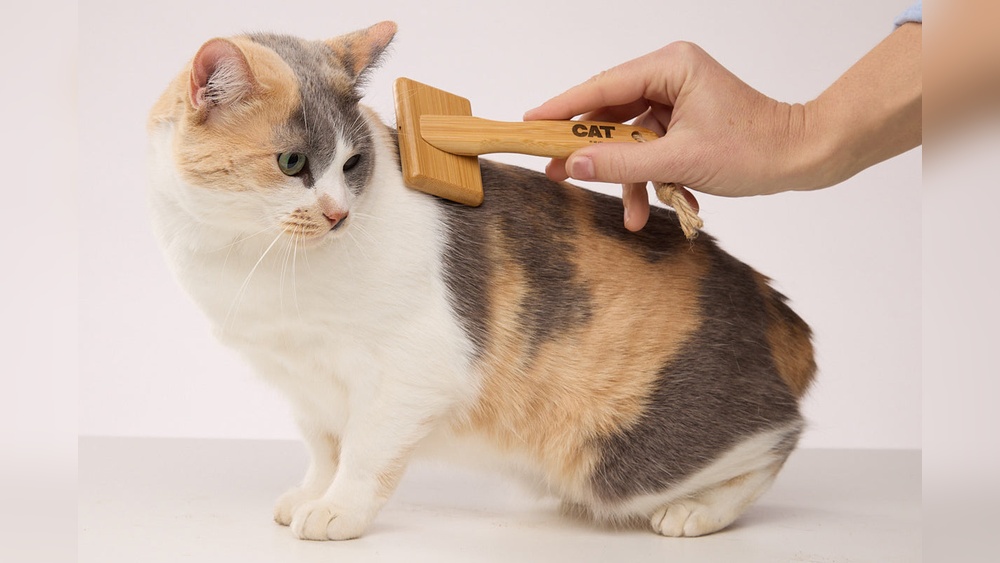
Brushing your cat often helps remove dirt and loose hair. Use a soft-bristle brush suited for your cat’s fur type. Brush gently to avoid hurting the skin. Regular brushing reduces hairballs and matting. It also strengthens the bond between you and your cat. Try to brush your cat at least twice a week.
Professional Care Options
Professional grooming services provide expert care for cats. Groomers can handle tough mats and clean areas hard to reach. Veterinarians offer special grooming for cats with skin problems. These experts know how to keep your cat calm and safe. Schedule visits as needed, especially for long-haired cats. Professional care supports your cat’s health and comfort.
Credit: catbehaviorassociates.com
Frequently Asked Questions
What Happens If You Groom A Cat Tongue?
Grooming a cat tongue can cause discomfort or injury due to its rough texture. Cat tongues have tiny, hook-like structures that can irritate skin. Avoid grooming with your hands to prevent scratches or pain. Use soft tools designed for pet grooming instead.
Can Grooming A Cat Tongue Harm Your Skin?
Yes, grooming a cat tongue can scratch and irritate your skin. The tongue’s papillae are sharp and rough, causing abrasions. Direct contact may lead to redness or minor wounds. Always handle with care to avoid injury.
Why Does A Cat’s Tongue Feel Rough When Groomed?
A cat’s tongue feels rough due to papillae made of keratin. These tiny hooks help cats clean fur and remove loose hair. The rough texture also aids in eating. This design makes the tongue abrasive to human skin.
Is It Safe To Groom A Cat’s Tongue Regularly?
No, regular grooming of a cat’s tongue is unsafe. It can hurt both the cat and the person. Cats self-groom effectively; human grooming of their tongue isn’t necessary. Focus on brushing their fur instead for proper care.
Conclusion
Grooming a cat’s tongue is not practical or safe. Cat tongues have tiny, rough spikes meant for cleaning fur. Trying to groom them can hurt your cat or damage their tongue. Instead, focus on regular brushing and care for your cat’s coat.
A healthy cat stays clean with its own grooming habits. Always handle your cat gently and watch for signs of discomfort. Understanding your cat’s natural grooming helps keep them happy and healthy. Trust their instincts—they know best how to stay clean.