

If you have both a dog and a cat or are thinking about bringing a new furry friend home, you might wonder which dog breeds get along well with cats—and more importantly, which ones don’t. Understanding this can save you from stressful moments and keep your home peaceful.
You want your pets to be happy and safe together, right? You’ll discover the dog breeds that often struggle to coexist with cats. Knowing this will help you make smarter choices and create a harmonious environment for everyone. Keep reading to find out which dogs might not be the best match for your feline friend.
Dog Breeds With High Prey Drive
Some dog breeds have a strong prey drive. This means they naturally want to chase and catch small animals. Cats often trigger this instinct. These dogs may not live peacefully with cats. Understanding these breeds helps keep your home safe for all pets.
Terriers And Their Hunting Instincts
Terriers were bred to hunt and catch small animals. They have sharp senses and quick reflexes. Their high energy makes them eager hunters. Terriers often see cats as prey. This can lead to chasing or aggressive behavior. Without training, terriers may not get along with cats.
Hounds And Chase Behavior
Hounds use their nose and sight to track animals. Their main skill is chasing down moving targets. Cats moving quickly can trigger this chase instinct. Hounds may become very focused on catching cats. This behavior makes it hard for them to live calmly with feline friends.

Credit: www.animalfunfacts.net
Guard Dogs And Territorial Tendencies
Guard dogs often have strong territorial instincts. They protect their home and family with great care. This can cause problems with cats in the house. Cats may seem like strangers to these dogs. The dogs might act very protective or aggressive around them.
Not all guard dogs behave the same way, but some breeds have stronger territorial tendencies. These traits can make it hard for dogs and cats to live peacefully together.
Rottweilers And Protective Nature
Rottweilers are known for their strong protective instincts. They watch over their home and family closely. This breed can be wary of new animals, including cats. Their natural guarding behavior may cause them to chase or threaten cats. Rottweilers need careful socialization to live with cats safely. Without training, their protective nature can lead to conflicts.
Dobermans And Alertness
Dobermans are very alert and quick to notice anything new. They guard their territory with high energy and focus. This breed might see cats as intruders or threats. Dobermans can become tense or aggressive around cats. Early introduction and proper training are important. Without it, their alertness can make them less friendly to feline companions.
Energetic Breeds That May Stress Cats
Some dog breeds have a lot of energy. They run, jump, and play all day. This high energy can stress cats. Cats often prefer calm and quiet. Energetic dogs may chase or bother cats without meaning harm. This can make cats feel unsafe or anxious. Understanding which breeds are very active helps in choosing a pet that fits well with cats.
Border Collies And High Energy Levels
Border Collies are smart and very active dogs. They need a lot of exercise every day. Without enough activity, they become restless and may chase cats. Their herding instinct makes them want to control moving animals. This can scare cats and cause stress. Border Collies do best in homes without cats or where cats are used to active dogs.
Jack Russell Terriers And Restlessness
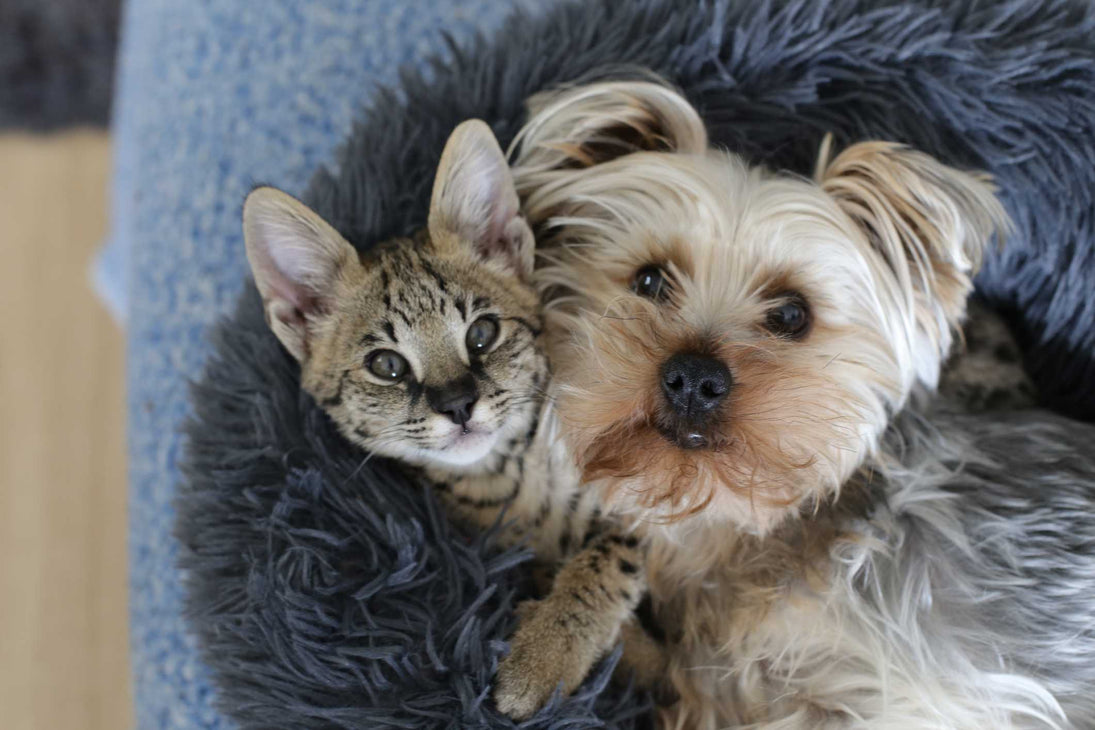
Jack Russell Terriers have boundless energy and a strong prey drive. They love to run and explore all the time. This restless nature can lead them to chase small animals like cats. Their quick movements and loud barking may frighten cats. Jack Russells need firm training to live peacefully with cats. Without it, their energy may create tension in the home.
Credit: www.mywonderpaws.com
Breeds Known For Aggression Toward Small Animals
Some dog breeds show strong aggression toward small animals like cats. This behavior can make living together difficult. These dogs may have a strong prey drive or a protective nature. Knowing which breeds tend to be aggressive helps in making safe choices.
Chow Chows And Their Stubbornness
Chow Chows are known for their stubborn and independent nature. They often do not like other animals invading their space. This breed may react aggressively to cats nearby. Their strong will makes training challenging. Owners must be patient and consistent to manage their behavior.
Akitas And Dominance
Akitas are powerful dogs with a strong sense of dominance. They see smaller animals as threats or prey. This breed can be very protective of its home and family. Akitas may not accept cats as part of their pack. Early socialization and firm leadership are essential with this breed.
Behavioral Traits Impacting Dog-cat Relationships
Understanding dog behavior helps explain why some breeds clash with cats. Certain traits make dogs more likely to chase or act aggressively. Others struggle with sharing spaces or respecting boundaries. These behaviors affect how well dogs and cats live together.
Chasing Instincts
Some dogs have strong chasing instincts. They see cats as prey or toys to chase. Breeds bred for hunting or herding often have this urge. This behavior can stress cats and cause fights. It is hard to stop dogs from chasing once triggered.
Territorial Behavior
Dogs can be very protective of their space. Some breeds mark their territory with barking or growling. They may view cats as intruders. This makes peaceful cohabitation difficult. Cats feel unsafe and may defend themselves.
Socialization And Training Importance
Early socialization helps dogs accept cats. Training teaches dogs to control impulses. Without this, problem behaviors increase. Proper social skills reduce tension in multi-pet homes. Consistent training improves dog-cat relationships over time.
Tips To Introduce Dogs And Cats Safely
Introducing dogs and cats requires care and patience. Proper steps help avoid stress and conflicts. Safe introductions build trust and harmony between pets.
Start slowly. Respect each animal’s space. Observe their behavior closely. Use these tips to guide the process.
Controlled Introduction Methods
Keep dogs and cats separated at first. Use a baby gate or crate for safe viewing. Let them see and smell each other without touching.
Swap bedding or toys between pets to share scents. This helps them get used to one another quietly.
Introduce them in a calm room. Avoid loud noises or sudden movements. Keep sessions short and positive.
Monitoring Early Interactions
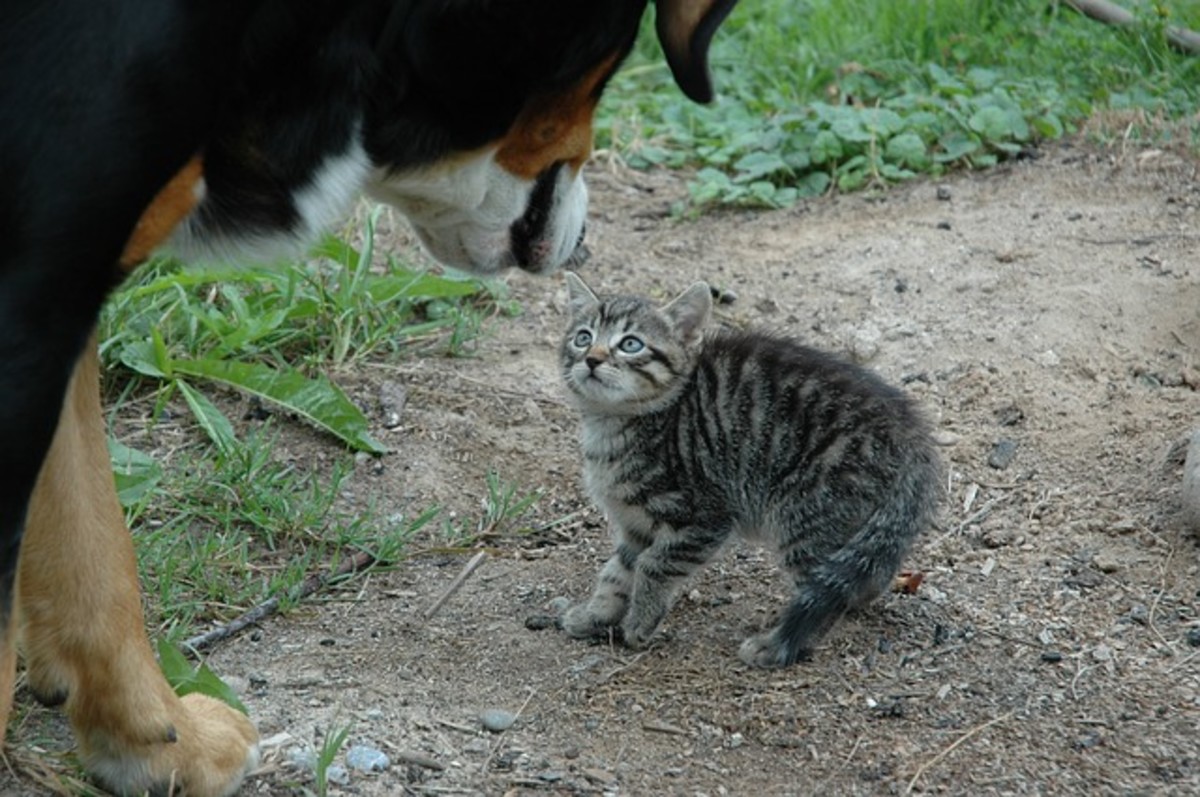
Watch body language closely during first meetings. Look for signs of stress or aggression. Step in if either pet seems scared or angry.
Keep dogs on a leash at first. Allow cats to approach on their own terms. Never force contact or chase.
Stop interactions immediately if growling, hissing, or barking occurs. Give both pets time to relax before trying again.
Positive Reinforcement Techniques
Reward calm and gentle behavior with treats and praise. This encourages pets to associate each other with good things.
Use a soft voice to soothe both animals. Give treats only when they remain calm near each other.
Gradually increase time spent together while continuing rewards. Celebrate small successes to build confidence and peace.
Credit: discover.hubpages.com
Frequently Asked Questions
Which Dog Breeds Typically Dislike Living With Cats?
Terriers, hounds, and some herding breeds often dislike cats. Their high prey drive makes them chase or stress cats, causing conflicts.
Why Do Some Dogs Not Get Along With Cats?
Dogs with strong hunting instincts see cats as prey. Lack of socialization and improper introductions also increase tension between them.
Can Aggressive Dog Breeds Live Peacefully With Cats?
Aggressive breeds may struggle but can coexist with training. Early socialization and supervision are crucial to prevent fights and stress.
How To Introduce Dogs That Dislike Cats Safely?
Introduce dogs and cats slowly in a controlled space. Use leashes, positive reinforcement, and monitor interactions to reduce fear and aggression.
Conclusion
Certain dog breeds may struggle to live peacefully with cats. Dogs with strong hunting instincts often chase or scare cats. Some breeds need careful training to accept feline friends. Patience and supervision help reduce conflicts between pets. Choosing the right dog can protect your cat’s safety.
Always observe their behavior closely when introducing them. A calm and gentle approach builds trust over time. Remember, not all dogs dislike cats, but some do. Understanding these breed traits helps create a happy home for both pets.