
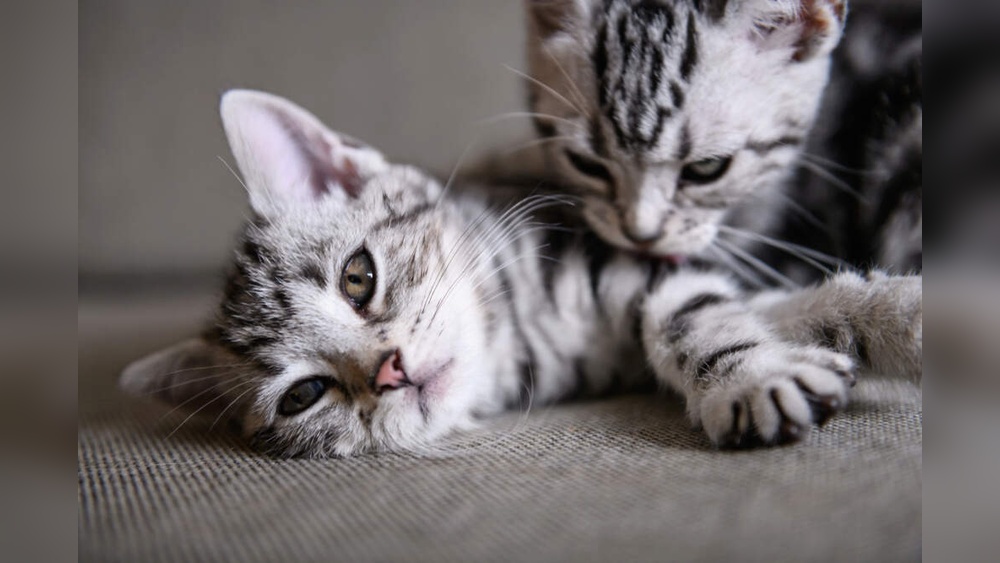
Have you ever watched cats gently licking each other and wondered what it really means? When cats groom each other, it’s more than just keeping clean.
This simple act reveals a lot about their feelings and relationships. If you want to understand your cat better and discover the secret language behind their grooming, keep reading. You’ll learn how this behavior shows trust, love, and even helps your cats stay healthy and happy.
Understanding this can change the way you see your furry friends forever.
Why Cats Groom Each Other
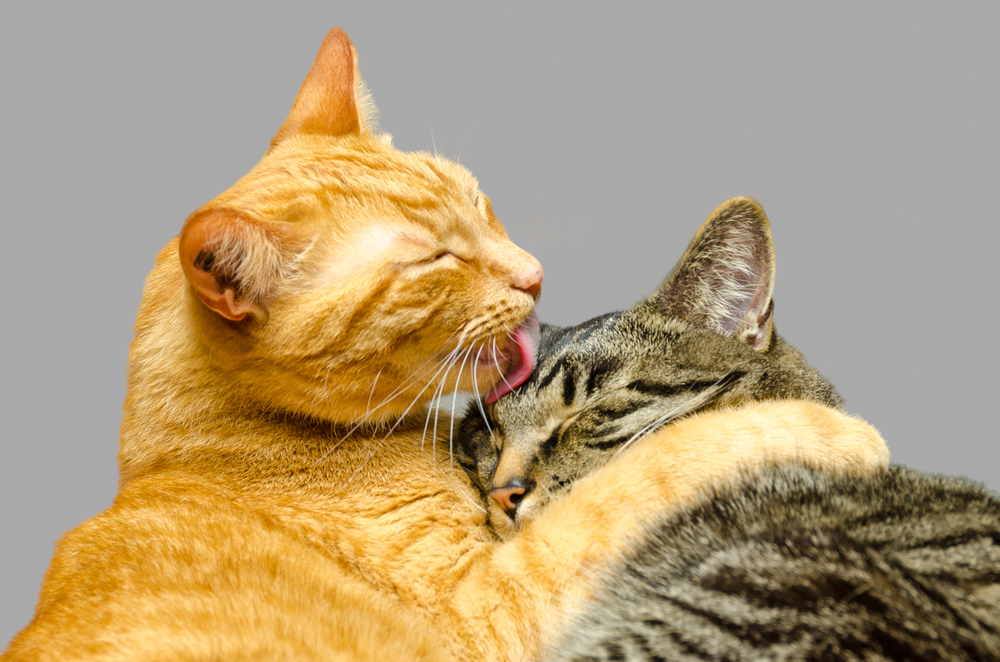
Cats grooming each other is a common sight in multi-cat homes or colonies. This behavior is more than just cleaning. It shows how cats interact and care for each other. Understanding why cats groom each other helps us see their social world better.
Bonding And Social Connection
Cats groom each other to build strong bonds. This action creates trust between cats. It helps them feel safe and part of a group. Grooming is a way cats say, “You are my friend.” It strengthens friendships and reduces fights.
Maintaining Hygiene
Cleaning each other helps cats reach spots they cannot lick well. Areas like the head and neck get cleaned by a friend. This keeps their fur neat and free from dirt. Grooming also removes loose fur and parasites. It helps keep cats healthy and comfortable.
Stress Relief And Comfort
Grooming lowers stress in cats. It calms them down during tense moments. When cats lick each other, it feels soothing. This comfort reduces anxiety and makes cats happier. Grooming often happens after play or rest to keep peace.
Credit: www.catster.com
The Science Behind Mutual Grooming
Mutual grooming is more than a cute behavior between cats. It has deep scientific roots that explain why cats do it. This action helps cats communicate and bond in ways that go beyond simple cleaning. Understanding the science behind it reveals how important this behavior is for their social lives and health.
Chemical Signals And Pheromones
Cats release special chemicals called pheromones during grooming. These chemicals carry messages that help cats recognize each other. When cats groom one another, they share these signals. This sharing helps them feel safe and connected. It also marks them as part of the same group or family.
Neural Responses To Grooming
Grooming triggers the brain to release feel-good chemicals like endorphins. These chemicals reduce stress and create a sense of calm. The act of grooming another cat also strengthens emotional bonds. It helps cats relax and feel comforted. This response makes grooming a rewarding social activity.
Evolutionary Benefits
Mutual grooming has evolved as a survival strategy. It helps keep cats clean and healthy by removing dirt and parasites. Grooming also strengthens social ties, which improves cooperation and group living. Groups that groom more tend to live longer and stay safer. This behavior supports both individual health and group survival.
What Grooming Reveals About Cat Relationships
Cats grooming each other is more than just cleaning. It tells us a lot about their social bonds and feelings. This behavior shows how cats connect and interact with each other. Understanding grooming helps us see their relationships clearly.
Hierarchy And Dominance
Grooming often shows which cat is in charge. The dominant cat usually grooms the other. This act helps keep order in the group. It is a way to show respect and control without fighting.
Friendship And Trust
Cats groom friends they trust deeply. It is a sign of closeness and comfort. Grooming helps build and keep strong friendships. Cats feel safe and happy when they groom each other.
Conflict Resolution
Grooming can calm things after a fight. It helps cats make peace and reduce tension. This action shows they want to fix problems. It is a gentle way to reconnect and stay friends.
When Grooming Becomes Excessive
Grooming is a natural and healthy way cats bond and show care. Sometimes, grooming between cats can become too much. Excessive grooming may signal problems that need attention. Understanding what triggers this behavior helps keep your cats happy and healthy.
Signs Of Stress Or Anxiety
Too much grooming can mean a cat feels stressed or anxious. Cats may groom repeatedly to calm themselves down. Watch for constant licking or biting of fur and skin. Cats might avoid playing or hide more often. These signs show your cat needs comfort or a calmer space.
Health Issues To Watch For
Excessive grooming can also point to health problems. Skin infections, allergies, or parasites cause itching and discomfort. Cats may lick sore spots or bald patches. Check your cat’s skin for redness or swelling. A vet visit can find and treat these issues early.
When To Intervene
Intervene if grooming leads to hair loss or wounds. Stop fights or rough grooming between cats to prevent injuries. Provide safe hiding spots and reduce loud noises or changes. Use toys and playtime to distract stressed cats. Seek advice from a vet or animal behaviorist if needed.
How To Encourage Healthy Grooming Habits
Encouraging healthy grooming habits in cats helps keep their coats clean and skin healthy. It also supports social bonds and reduces stress. Understanding how to promote these habits can improve your cats’ well-being and happiness. Small changes in their environment and routine can make a big difference.
Creating A Comfortable Environment
Cats groom more when they feel safe and calm. Provide quiet spaces for them to relax. Soft bedding and warm spots encourage grooming. Avoid loud noises and sudden changes around your cats. Keep their living areas clean and free from clutter. A peaceful environment helps cats feel secure enough to groom each other.
Introducing New Cats
Introduce new cats slowly to avoid stress. Start by letting them smell each other through a door. Gradually allow short, supervised meetings. Watch for signs of tension and separate if needed. Patience helps cats accept each other. Once comfortable, they may begin grooming together, building trust and friendship.
Using Grooming To Strengthen Bonds
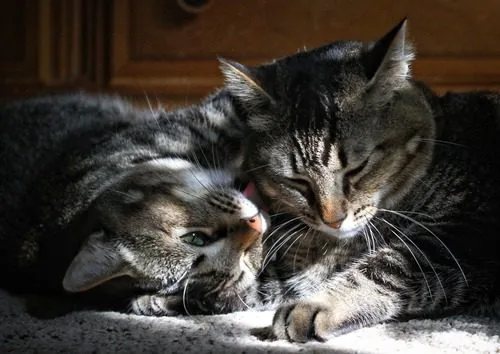
Grooming is a way cats show affection and trust. Encourage this by gently brushing your cats together. Praise them softly during grooming time. Provide shared toys and playtime to increase positive interactions. When cats groom each other, their bond grows stronger. This improves their overall happiness and reduces conflicts.

Credit: www.katdootje.nl
Credit: whitneyvet.com
Frequently Asked Questions
Why Do Cats Groom Each Other?
Cats groom each other to strengthen social bonds and show affection. This behavior helps reduce stress and promotes group harmony. It also aids in cleaning hard-to-reach areas, keeping their fur healthy and free of parasites.
Is Mutual Grooming A Sign Of Cat Friendship?
Yes, mutual grooming indicates trust and friendship between cats. It signals a strong social connection and comfort in each other’s presence. Cats use grooming to reinforce positive relationships within their group or household.
Can Cats Groom To Establish Dominance?
Sometimes, cats groom to establish social hierarchy. Dominant cats may groom subordinates to show control or reinforce rank. However, grooming mostly serves as a bonding activity rather than just dominance.
How Often Do Cats Groom Each Other?
Cats typically groom each other several times a day. The frequency depends on their relationship and environment. Close companions groom more often to maintain their bond and cleanliness.
Conclusion
Cats grooming each other shows trust and friendship. It helps them stay clean and feel safe. Grooming also strengthens their bond and reduces stress. Watching this behavior teaches us about their feelings. It reminds us that cats are social animals.
Understanding this helps you care for your pets better. Keep an eye on grooming to know their mood. It’s a simple way cats say, “You are family. ” Caring for cats means noticing these little signs. They speak through actions, not just sounds.