
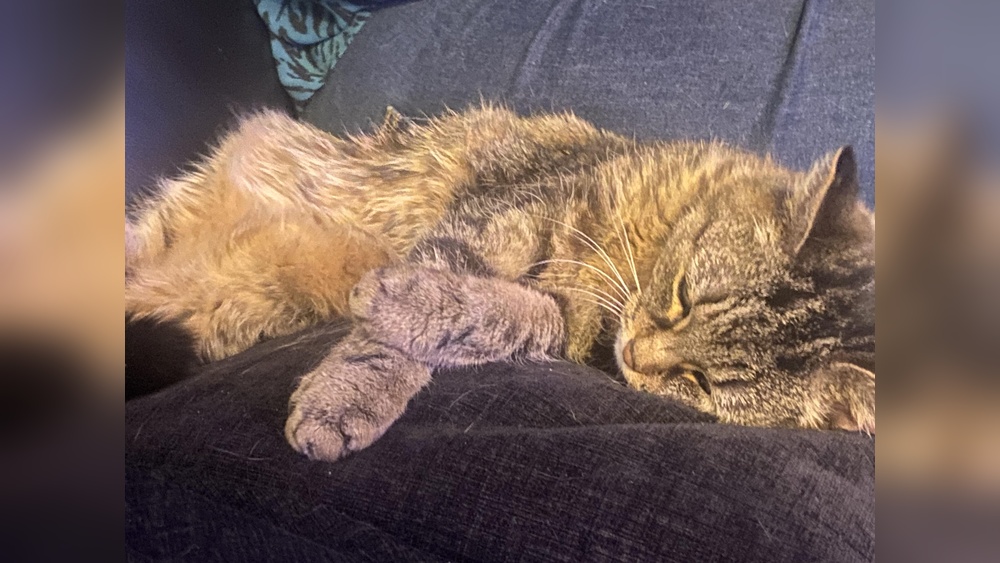
Have you noticed that your cat isn’t grooming itself like it used to? It’s natural to expect your furry friend to keep clean and tidy, but when that stops, it can be worrying.
You might be wondering, “Why doesn’t my cat groom itself anymore? ” Understanding the reasons behind this change can help you spot potential health issues early and ensure your cat stays happy and comfortable. Keep reading to find out what might be causing this behavior and what you can do to help your beloved pet.

Credit: luckydawgsalongrooming.com
Normal Grooming Habits
Cats spend a lot of time grooming themselves. This is a natural behavior that keeps them clean and healthy. Grooming helps remove dirt, loose fur, and parasites. It also cools the cat and reduces stress. Understanding normal grooming habits helps spot problems early.
How Cats Groom Themselves
Cats use their tongue to groom. Their tongues have tiny, hook-like structures. These help pull dirt and loose fur from their coats. Cats lick their fur in a specific way. They start with the head and move toward the tail. They also use their teeth and paws to clean hard spots. This behavior keeps their fur smooth and shiny.
Frequency Of Grooming
Cats groom many times each day. On average, they spend about 30 to 50 percent of their waking time grooming. Younger cats tend to groom more often than older ones. Long-haired cats may groom longer to keep their coats neat. Changes in grooming frequency can signal health issues. Watch for sudden drops or increases in grooming habits.
Health Issues Affecting Grooming
Health problems can stop a cat from grooming itself. Cats usually clean their fur to stay healthy. When they stop, it could be a sign of illness. Understanding these health issues helps you care for your cat better.
Skin Infections And Parasites
Skin infections make grooming painful for cats. Parasites like fleas cause itching and discomfort. Cats avoid grooming to prevent more pain. Look for redness, sores, or hair loss on your cat.
Pain And Arthritis
Arthritis causes joint pain in older cats. Moving and grooming become hard and painful. Cats with arthritis may stop cleaning parts of their body. Watch for stiffness or limping as signs of pain.
Dental Problems
Dental pain can stop cats from grooming. Teeth or gum problems cause discomfort when they lick. Cats with dental issues may drool or refuse to eat. Check their mouth for bad breath or swelling.
Behavioral And Emotional Factors
Cats usually groom themselves to stay clean and healthy. Sometimes, changes in their behavior or feelings can stop them from grooming. Behavioral and emotional issues can make a cat avoid grooming. These problems can affect their mood and actions.
Stress And Anxiety
Stress and anxiety can cause a cat to stop grooming. Loud noises, new places, or new pets can scare cats. When cats feel unsafe, they may hide or freeze. Grooming might seem less important to them. Stress can also cause skin problems that make grooming painful.
Depression In Cats
Cats can feel sad or depressed just like people. They may lose interest in grooming when they feel down. Depression can happen after losing a friend or big changes at home. A depressed cat might sleep more and play less. Lack of grooming is one sign to watch for.
Environmental Influences
Cats depend on their environment to feel safe and comfortable. Changes around them can affect their grooming habits. A calm setting helps cats stay clean and healthy. Stress or confusion from their surroundings can stop them from grooming properly.
Changes In Surroundings
Cats dislike sudden changes in their home or outside. Moving to a new house, new pets, or loud noises can make them anxious. Stress from these changes can cause a cat to stop grooming. They may hide or sit still instead of cleaning their fur.
Lack Of Stimulation
Cats need activities to stay happy and active. Without toys, playtime, or attention, they can get bored. Bored cats may groom less or not at all. A dull environment can lead to low energy and poor self-care.
When To See A Vet
Knowing when to visit a vet is important if your cat stops grooming itself. Grooming helps cats stay clean and healthy. If your cat neglects this, it may show signs of illness or pain. Early vet visits can catch problems before they get worse. Watch your cat closely to decide if it needs medical help.
Signs That Need Immediate Attention
Look for bald patches or heavy matting in your cat’s fur. Notice if your cat stops eating or drinks less water. Watch for limping or difficulty moving. Check for wounds, swelling, or strange lumps. If your cat seems very tired or hides more than usual, act fast. Sudden changes in behavior often mean pain or sickness.
What To Expect During The Visit
The vet will ask about your cat’s grooming habits and health history. They will do a full physical exam, checking skin, fur, and body condition. The vet may test for infections or parasites causing grooming issues. Sometimes, blood tests or X-rays are needed. The vet will explain treatment options and how to help your cat heal.

Credit: www.reddit.com
Helping Your Cat Groom Again
Cats usually groom themselves to stay clean and healthy. Sometimes, they stop grooming because of pain, illness, or stress. This can cause mats, dirt, and skin problems. Helping your cat groom again improves their comfort and health. Simple steps can make a big difference.
Patience and gentle care work best. Watch your cat’s behavior and needs closely. Offer support with care at home or professional help if needed. Both ways can help your cat feel better and look neat again.
At-home Care Tips
Use a soft brush to gently remove loose fur and dirt. Brush small areas first to avoid stressing your cat. Check for skin issues like redness or bumps. Keep your cat calm during grooming by speaking softly. Use warm water and mild cat shampoo if bathing is needed. Dry your cat carefully with a towel after bath time. Make grooming a short, positive experience. Reward your cat with treats or gentle petting. Keep your cat’s nails trimmed to avoid scratches during grooming. Clean your cat’s face with a damp cloth if they avoid licking it. Regular grooming helps your cat feel more comfortable and clean.
Professional Grooming Options
Some cats need extra help from a groomer. Professional groomers can remove mats safely. They have tools and skills for gentle grooming. Groomers also check your cat’s coat and skin. They can spot health problems early. A groomer can trim fur around sensitive areas. If your cat is very stressed, groomers know how to calm them. Veterinary grooming is best if your cat has health issues. Vet groomers work with your vet to keep your cat safe. Choose a groomer experienced with cats. Ask for recommendations or read reviews. Professional grooming keeps your cat clean and healthy when home care is hard.

Credit: www.reddit.com
Frequently Asked Questions
Why Does My Cat Stop Grooming Suddenly?
Cats may stop grooming due to illness, pain, stress, or skin problems. Lack of grooming can indicate health issues. A vet checkup is essential to diagnose and treat underlying causes promptly.
Can Arthritis Affect A Cat’s Grooming Habits?
Yes, arthritis can cause joint pain, making grooming difficult for cats. This leads to unkempt fur and discomfort. Managing arthritis with veterinary care can improve grooming behavior.
How Does Stress Impact A Cat’s Grooming?
Stress can reduce a cat’s grooming frequency. Anxiety or environmental changes often cause this behavior. Creating a calm environment helps cats groom themselves normally again.
When Should I See A Vet About Grooming Issues?
If your cat stops grooming for more than 24-48 hours, consult a vet. Persistent lack of grooming can signal infections, parasites, or other health problems needing attention.
Conclusion
Cats usually groom themselves to stay clean and healthy. When a cat stops grooming, it may signal health or stress problems. Watch for changes in behavior or fur condition. Regular vet visits help catch issues early. You can assist by gently brushing your cat.
A clean, calm space encourages grooming habits. Understanding your cat’s needs improves their comfort and well-being. Stay patient and attentive to keep your cat happy. Small actions make a big difference in your cat’s life.