
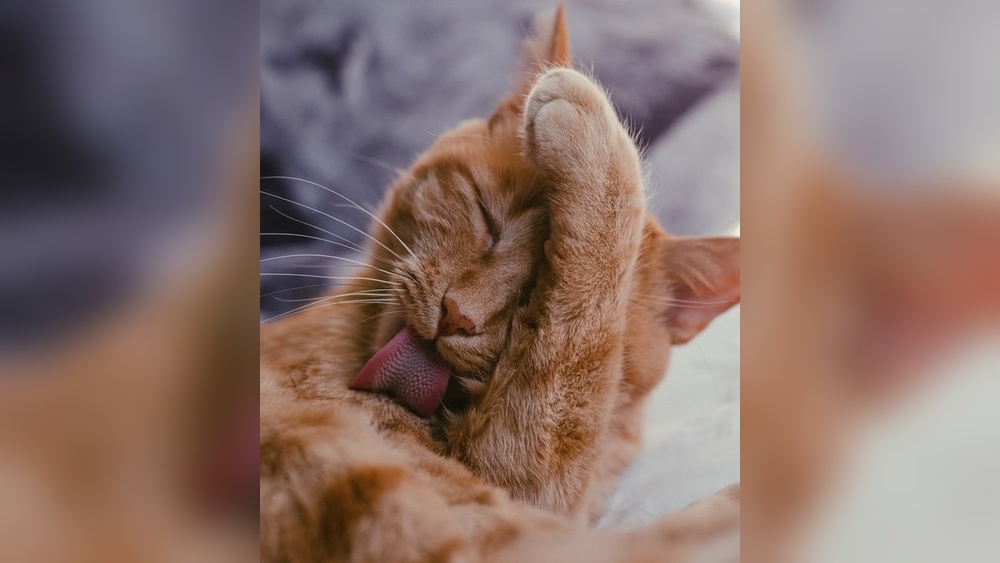
Have you ever watched your cat carefully licking its fur and wondered, “How much time do they actually spend grooming themselves each day?” It’s not just a quirky habit—grooming is a vital part of your cat’s daily routine. Understanding exactly how much of their day goes into keeping clean can give you surprising insights into their health, mood, and behavior.
Keep reading, and you’ll discover the fascinating truth about your feline friend’s grooming habits—and why it matters more than you might think.
Credit: rexipets.com
Daily Grooming Habits
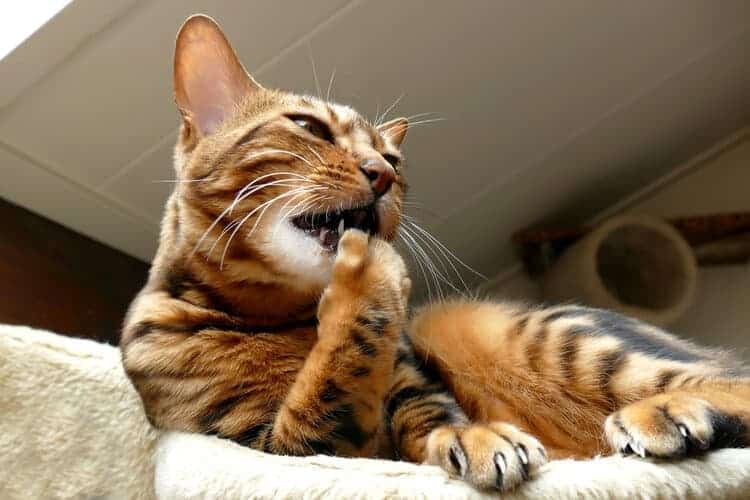
Cats spend a large part of their day grooming themselves. This behavior keeps their fur clean and healthy. Grooming also helps cats relax and feel calm. You will often see cats licking their fur, paws, and even their face. This daily routine is important for their comfort and well-being.
Grooming removes dirt and loose hair. It also spreads natural oils over their coat. These oils protect the skin and make the fur shiny. Cats use their tongues and paws to clean hard-to-reach areas. This careful attention to grooming shows how much cats care for their hygiene.
Average Grooming Time
On average, cats spend about 30 to 50 percent of their waking hours grooming. This means they groom for several hours each day. Some cats may groom more, while others groom less. The exact time depends on the cat’s age, health, and activity level. Younger cats often groom more than older ones. Grooming helps cats stay clean and free from parasites.
Variations Among Breeds
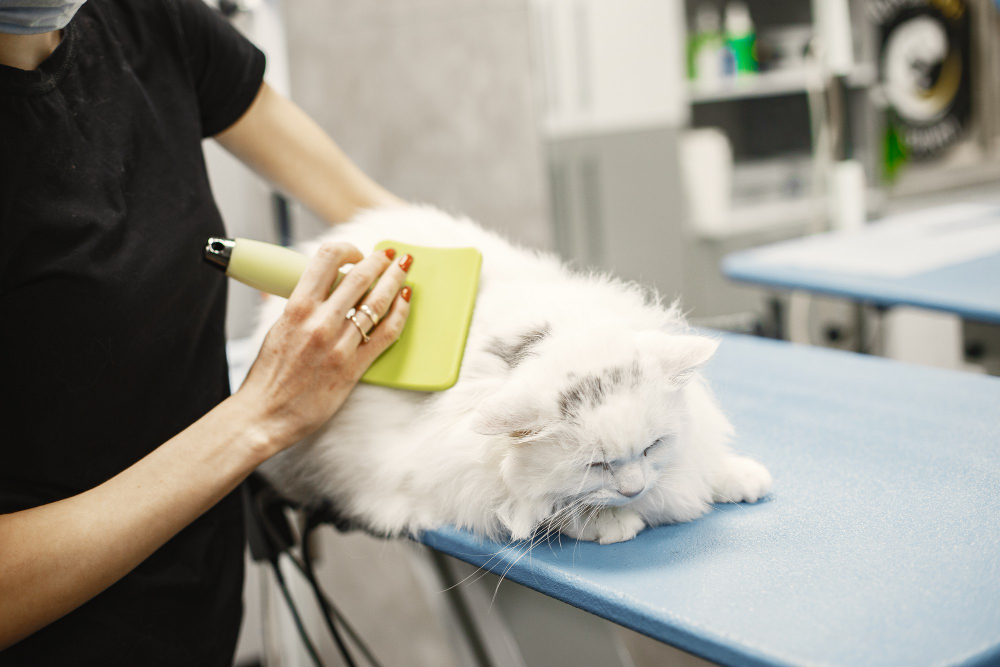
Different cat breeds show different grooming habits. Long-haired breeds like Persians spend more time grooming. Their thick fur needs extra care to avoid tangles and mats. Short-haired cats groom less, but still keep their fur neat. Some breeds groom more carefully due to sensitive skin. Understanding these differences helps owners care better for their cats.
Credit: www.catster.com
Reasons Cats Groom
Cats spend a big part of their day grooming. They lick their fur with their tongue. This action helps them in many ways. Grooming is not just about looking good. It plays an important role in a cat’s health and comfort.
Hygiene And Cleanliness
Cats groom to keep clean. Their tongue removes dirt and loose hair. This stops their coat from getting messy. Grooming also helps remove parasites like fleas. Clean fur means fewer skin problems. It keeps their skin healthy.
Temperature Regulation
Grooming helps cats control their body heat. When they lick their fur, saliva spreads on the coat. The saliva cools down as it dries. This process helps cats stay cool in hot weather. In cold weather, grooming fluffs up fur. Fluffy fur traps warm air close to the body.
Stress Relief
Grooming calms cats down. It lowers their stress and anxiety. Cats often groom more during stressful times. This behavior helps them feel safe. Grooming can also soothe pain or irritation. It is a natural way to relax.
Grooming And Health
Cats spend a large part of their day grooming. This habit is more than just keeping clean. Grooming helps cats stay healthy and feel good. It removes dirt and loose fur. It also helps cats check their skin for problems. Grooming supports a cat’s overall wellness and comfort.
Detecting Skin Issues
Grooming lets cats find skin problems early. They can spot cuts, bumps, or rashes while licking. This helps them avoid bigger issues. Owners can also notice changes in grooming habits. Less grooming might mean pain or illness. More grooming could show allergies or stress. Watching grooming helps catch skin troubles fast.
Preventing Parasites
Regular grooming helps stop fleas and ticks. Cats remove these pests by licking their fur. This lowers the chance of infections. Grooming also helps spread natural oils. These oils protect skin and keep fur shiny. Healthy skin is harder for parasites to live on. Grooming is a natural way cats fight bugs.
Factors Affecting Grooming Time
Cats spend a good part of their day grooming themselves. But the time they spend can change. Many things affect how much cats groom. Understanding these factors helps us learn more about cat behavior and health.
Age And Activity Level
Young cats often groom more than older cats. They have more energy and need to keep clean. Older cats may groom less due to less energy or health issues. Active cats that play a lot also groom more. They clean dirt and loose fur from their bodies. Less active cats may spend less time grooming.
Environmental Conditions
The environment plays a big role in grooming time. Cats in dusty or dirty areas need to clean more. Cats living indoors often groom less because they stay cleaner. Weather also affects grooming. Hot weather can increase grooming to cool down. Cold weather may reduce grooming as cats conserve energy.
Comparing Grooming To Other Behaviors
Cats spend a surprising amount of time grooming themselves every day. This self-care is essential for their health and comfort. Comparing grooming to other common behaviors helps us understand its importance in a cat’s daily routine. Cats balance grooming with sleeping and playing to stay clean, relaxed, and active.
Sleeping Vs Grooming
Cats spend nearly half their day sleeping. Sleep helps them rest and recharge energy. Grooming takes up about 15 to 20 percent of their time. It cleans their fur and cools their skin. While sleeping keeps cats rested, grooming keeps them clean and healthy. Both behaviors are vital but serve different purposes.
Playing Vs Grooming
Playing is a shorter activity compared to grooming. Cats play for about 10 to 15 percent of the day. Play helps cats stay strong and sharp. Grooming takes more time but is less active. It focuses on hygiene rather than exercise. Play and grooming both keep cats happy but in unique ways.
)
Credit: www.northroadvet.com.au
Frequently Asked Questions
How Much Time Do Cats Spend Grooming Daily?
Cats spend about 30% to 50% of their day grooming themselves. This behavior helps keep their fur clean, regulates body temperature, and reduces stress. Grooming is an essential part of a cat’s routine for maintaining overall health and hygiene.
Why Do Cats Groom Themselves So Often?
Cats groom frequently to remove dirt, loose hair, and parasites. It also helps distribute natural oils across their fur. Grooming is a natural instinct that supports their physical and emotional well-being, keeping them comfortable and clean.
Does Grooming Time Vary By Cat Age Or Breed?
Yes, grooming time can vary based on age and breed. Younger cats tend to groom more actively, while older cats may groom less. Long-haired breeds usually spend more time grooming to maintain their coat compared to short-haired cats.
Can Excessive Grooming Indicate Health Problems?
Excessive grooming can signal health issues like allergies, skin infections, or stress. If a cat grooms too much, it may cause bald spots or sores. Consulting a veterinarian is important to diagnose and treat any underlying problems.
Conclusion
Cats spend a good part of their day grooming themselves. This behavior keeps their fur clean and healthy. Grooming also helps cats stay calm and reduce stress. It shows they feel safe and comfortable. Watching a cat groom is quite normal and natural.
Remember, grooming is important for a cat’s well-being. So, next time you see your cat cleaning, know it’s taking care of itself. Understanding this helps you appreciate your pet even more.