
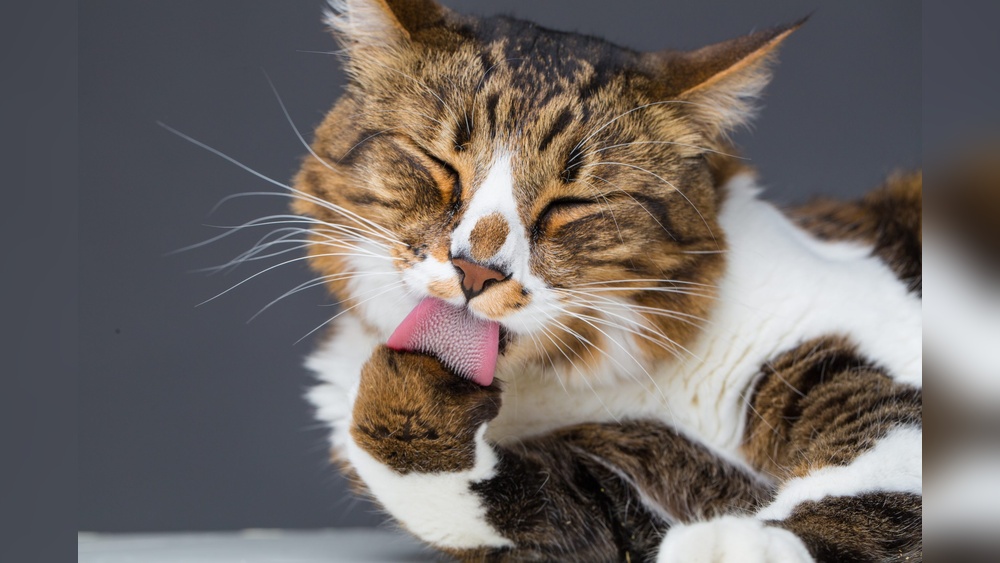
Have you ever noticed your cat cleaning itself right after finishing a meal? It might seem like a simple habit, but there’s more to this behavior than meets the eye.
Understanding why your cat grooms so much after eating can help you connect with your furry friend on a deeper level. You’ll discover the surprising reasons behind this instinct and what it means for your cat’s health and happiness. Keep reading to uncover the secrets behind your cat’s post-meal grooming ritual—you might be amazed by what you learn!
Credit: vetic.in
Cats’ Grooming Habits
Cats spend a lot of time cleaning themselves every day. Grooming is more than just keeping clean. It helps cats feel calm and safe. After eating, cats often groom themselves more. This behavior has many reasons linked to their nature and health.
Grooming also helps cats control their body temperature. Their tongue removes loose fur and dirt. It stops skin problems and keeps their coat healthy. Grooming is part of how cats relax and stay comfortable.
Self-cleaning And Hygiene
After a meal, cats clean their faces and paws. Food can stick to their fur. Cleaning removes crumbs and smells. This stops other animals from finding them. It also helps avoid infections around the mouth.
Stress Relief And Comfort
Eating can make cats feel full and calm. Grooming helps extend this calm feeling. The repetitive licking lowers stress levels. It works like a natural massage for cats. This makes them feel safe and happy.
Temperature Regulation
Cats use grooming to cool down or warm up. Licking spreads saliva on their fur. When saliva evaporates, it cools the cat’s skin. Grooming after eating helps balance their body heat. This is important, especially in warm weather.
Marking Territory
Cats have scent glands in their mouths. Licking spreads their unique scent on their fur. This marks them as safe and comfortable in their space. After eating, marking can signal ownership of food and place.
Connection Between Eating And Grooming
Cats often start grooming themselves after a meal. This behavior is natural and has many reasons behind it. Grooming after eating helps cats feel comfortable and clean. It also plays a role in their health and well-being.
The connection between eating and grooming is strong in cats. Understanding this link can explain why your cat spends time licking its fur after a good meal.
Cleaning Food Residue
After eating, cats may have food on their fur or around their mouth. Grooming removes these bits of food. This keeps their coat clean and stops smells that might attract other animals.
Comfort And Relaxation
Grooming helps cats relax after eating. The licking motion soothes their muscles and calms their mind. It creates a peaceful feeling after the excitement of a meal.
Body Temperature Regulation
Eating raises a cat’s body temperature slightly. Grooming helps cool down their skin by spreading saliva on the fur. This process helps keep their body temperature balanced.
Instinct And Habit
Grooming after meals is an instinct for cats. Wild cats clean themselves to avoid predators. Domestic cats keep this habit as a natural behavior.
Physical Benefits Of Post-meal Grooming
Cats spend time grooming themselves after eating for several physical reasons. This habit helps keep them clean and healthy. Grooming supports their body in many ways.
Cleaning Food Residue
After a meal, cats lick their fur to remove food bits. This stops food from attracting dirt or insects. It also prevents smells that could attract predators. Clean fur helps cats stay fresh and comfortable.
Regulating Body Temperature
Licking spreads saliva on the fur, which cools the cat as it evaporates. This natural cooling helps keep their body temperature steady. Grooming acts like a personal cooling system. It is very important, especially after eating.
Stimulating Digestion
Grooming after eating may help stimulate the digestive system. The act of licking can encourage saliva production. Saliva contains enzymes that help break down food. This may support easier digestion and reduce stomach discomfort.
Psychological Reasons For Grooming
Cats spend a lot of time grooming after eating. This behavior goes beyond just cleaning their fur. It helps them feel calm and happy. Grooming is a way for cats to handle their feelings and think clearly. It plays a big role in their mental well-being.
Stress Relief
Grooming helps cats reduce stress. After a meal, they may feel relaxed but still alert. Licking their fur slows down their heart rate. This action lowers tension in their body. It acts like a calming ritual. Grooming gives cats a way to stay peaceful and safe.
Comfort And Satisfaction
Cleaning themselves after eating brings comfort. The routine feels familiar and soothing. Cats associate grooming with feeling content and secure. This habit also helps them enjoy their meal more. The act of grooming signals that everything is okay. It boosts their mood and sense of well-being.
Evolutionary Origins Of Grooming After Eating
Cats grooming after eating is not just a random habit. It has deep roots in their evolutionary past. This behavior helped wild cats survive and thrive in tough environments. Understanding why cats groom after meals reveals interesting survival strategies and social habits.
Survival Mechanisms
Wild cats often eat prey that leaves smells on their fur. These scents can attract bigger predators or rival animals. Grooming removes these odors and hides their presence. It also cleans away blood and food particles that might cause infections. This keeps cats healthy and safe in the wild.
Cleaning themselves after eating also helps cats cool down. Licking spreads saliva that evaporates and lowers body temperature. This small act plays an important role in their survival.
Social Signals
Grooming after a meal sends signals to other cats. It shows that the cat is calm and not a threat. This helps reduce fights and tension among groups of cats. It also promotes trust and bonding in social groups.
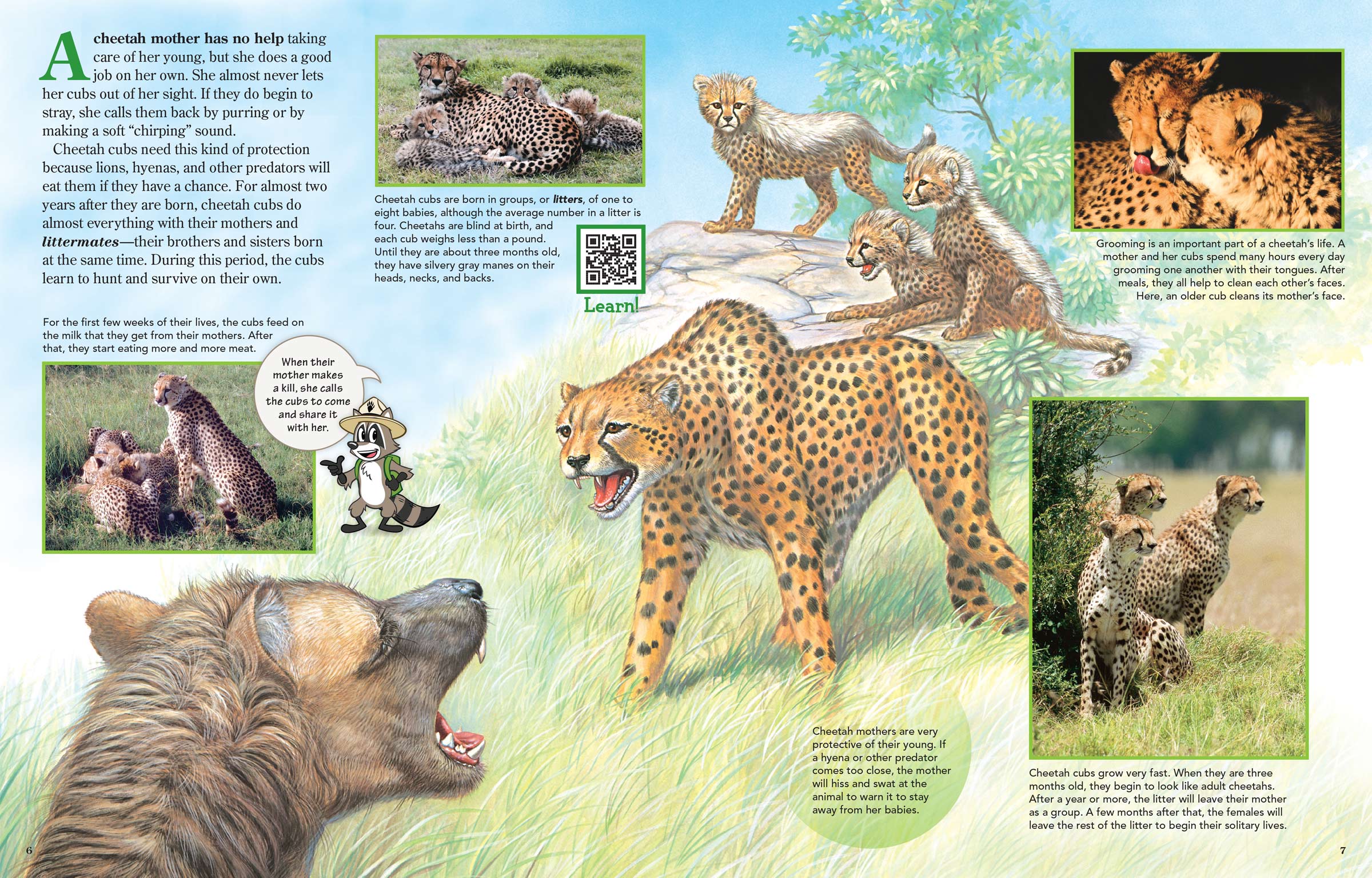
Mother cats groom their kittens after feeding to comfort them. This builds a strong bond and teaches young cats good habits. Grooming is more than cleaning; it is a way cats communicate and connect.
Credit: rangerrick.org
How Grooming Supports Health And Hygiene
Cats spend a lot of time grooming themselves after eating. This behavior does more than just keep them clean. Grooming helps maintain their health and hygiene in important ways.
It removes dirt, food crumbs, and loose fur. Grooming also helps cats feel calm and comfortable. Their careful licking protects their skin and coat.
Parasite Control
Grooming helps cats remove parasites like fleas and ticks. These pests can cause itching and illness. By licking their fur, cats catch and remove these tiny bugs. This reduces the chance of infections and skin problems.
Regular grooming also helps cats spot any skin issues early. They can then seek help if needed. This natural behavior acts as a first line of defense against parasites.
Fur Maintenance
Cats use grooming to keep their fur smooth and shiny. Licking spreads natural oils across their coat. These oils protect the fur from drying out. Grooming also removes dead hair, preventing mats and tangles.
A well-maintained coat helps cats stay warm and dry. It also reduces shedding inside your home. Grooming after a meal is a way cats care for their fur’s health every day.
When Excessive Grooming Becomes A Concern
Cats often groom themselves after eating to clean their fur and feel comfortable. This normal behavior helps them remove food smells and stay neat. But sometimes, grooming can become too much. Excessive grooming might mean your cat is stressed or has a health problem. Knowing when grooming is too much helps protect your cat’s well-being.
Signs Of Over-grooming
Watch for bald spots or red skin on your cat. These show your cat may be grooming too much. You might see raw or irritated skin. Also, check if your cat spends hours licking in one area. Constant grooming can cause wounds and pain. Over-grooming can change your cat’s usual behavior. Your cat might hide more or act restless.
Possible Underlying Issues
Stress and anxiety often cause cats to groom excessively. Changes in their environment can upset them. Allergies from food or the environment can make skin itchy. Parasites like fleas also lead to heavy grooming. Sometimes, skin infections cause discomfort and licking. Medical problems like pain or hormonal imbalances can be reasons too. A vet can help find the exact cause.

Credit: cats.com
Frequently Asked Questions
Why Do Cats Groom Immediately After Eating?
Cats groom after eating to clean food residue from their fur. This behavior also helps reduce scent, which is a natural instinct for safety.
Does Grooming Aid Cat Digestion After Meals?
Grooming itself doesn’t directly aid digestion. However, it calms cats, reducing stress and promoting better digestion indirectly.
How Often Do Cats Groom Daily?
Cats typically groom themselves 30-50% of their waking hours. Frequent grooming maintains their coat’s cleanliness and health.
Can Grooming After Meals Indicate Health Issues?
Excessive grooming after meals might signal stress or allergies. If grooming seems obsessive, consult a veterinarian for advice.
Conclusion
Cats groom after meals to stay clean and comfortable. This behavior helps remove food smells and keeps their fur neat. Grooming also calms cats and aids digestion. It is a natural habit that shows they feel safe and content. Watching this can deepen your bond with your pet.
Understanding why cats groom helps you care for them better. It’s a simple, natural part of their daily life.