
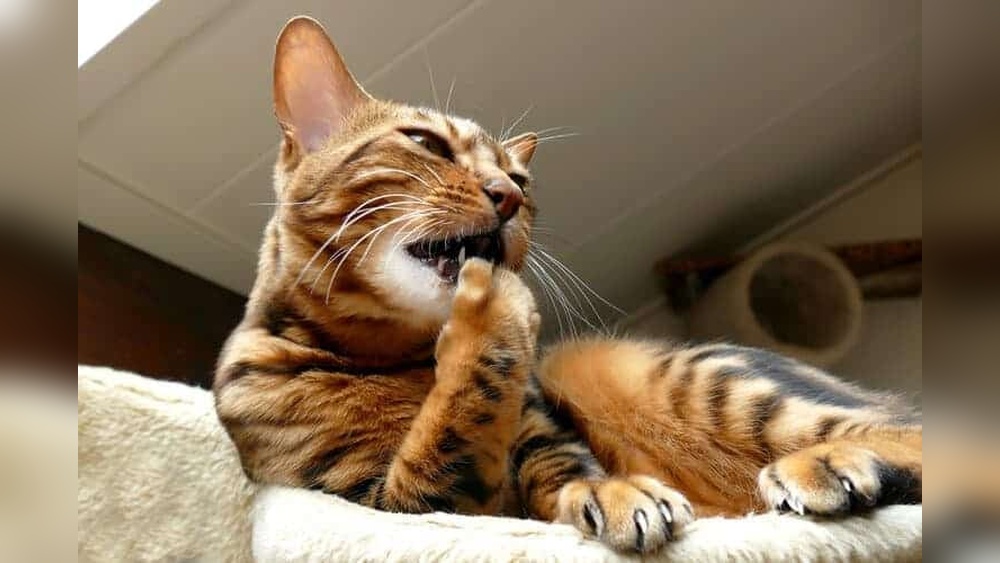
Have you ever watched your cat spend what seems like forever licking its fur? You might wonder, just how much time do cats actually spend grooming each day?
Understanding this can give you a glimpse into your cat’s world and what keeps them feeling happy and healthy. You’ll discover the surprising percentage of their waking hours that cats devote to grooming—and why this behavior is so important. Keep reading to learn more about your furry friend’s self-care habits and what they mean for you as a cat owner.
Credit: www.feliway.co.uk
Cat Grooming Habits
Cats are known for their neat and clean appearance. Grooming is a big part of their daily routine. It helps them stay healthy and comfortable. Grooming also keeps their fur smooth and free of dirt. This habit is natural and important for all cats.
Grooming is not just about looking good. It helps cats cool down in hot weather. It also spreads natural oils across their fur. These oils protect their skin and keep their coat shiny. Cats spend a surprising amount of time on this activity.
Daily Grooming Time
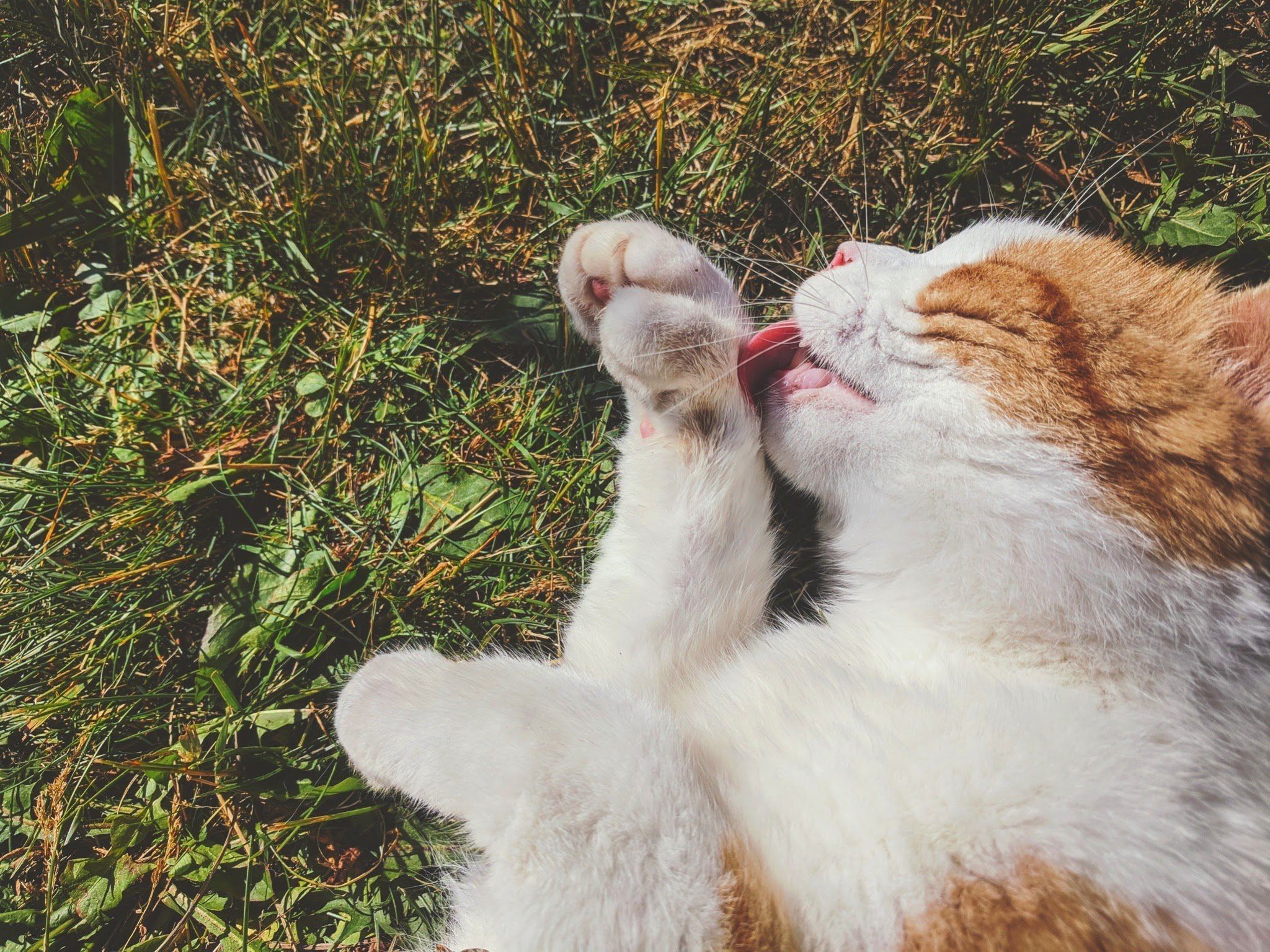
Cats spend about 30 to 50 percent of their waking hours grooming. This means they groom for several hours each day. The exact time depends on the cat’s age and health. Younger cats usually groom more than older cats. Grooming keeps them active and alert.
Long-haired cats may spend even more time grooming. Their thick fur needs extra care. Short-haired cats groom less but still maintain their cleanliness. Grooming also helps cats relax and reduce stress.
Comparison With Other Animals
Cats spend more time grooming than many other pets. Dogs, for example, groom much less. They rely more on their owners for cleaning. Rabbits and rodents groom too, but not as long as cats. Wild animals often groom less due to survival needs.
Birds preen to keep feathers clean, but this takes less time. Cats’ grooming habits are unique among many animals. This behavior is part of what makes cats special and well cared for themselves.
Credit: www.prettylitter.com
Factors Influencing Grooming
Cats spend a large part of their day grooming. This behavior keeps their fur clean and healthy. The amount of time spent grooming varies. Many factors influence how much cats groom themselves. These include their age, health, breed, and environment. Understanding these factors helps explain why some cats groom more than others.
Age And Health
Kittens and young cats groom often to learn self-care. Older cats may groom less due to health problems. Illness or pain can reduce grooming time. Cats with arthritis or dental issues find grooming hard. Healthy cats tend to groom more regularly. Grooming also helps cats feel comfortable and relaxed.
Breed Differences
Some cat breeds groom more than others. Long-haired breeds need more grooming to avoid mats. Short-haired cats spend less time grooming. Breeds like Persians require extra care to keep fur tidy. Grooming habits vary naturally with breed traits. This difference affects how much time cats spend grooming daily.
Environment Impact
Indoor cats often groom differently than outdoor cats. Outdoor cats face dirt and pests, grooming more to clean. Indoor cats stay cleaner but groom to reduce stress. Temperature and humidity also affect grooming habits. A calm, safe environment can reduce excessive grooming. Stress or changes in surroundings may increase grooming time.
Reasons Behind Grooming
Cats spend a large part of their day grooming. This habit is more than just keeping clean. Grooming serves many important purposes for cats. It helps them stay healthy and comfortable in many ways.
Hygiene And Cleanliness
Grooming removes dirt and loose fur from a cat’s body. It stops parasites like fleas from settling on their skin. Cats use their rough tongues to clean hard-to-reach places. This keeps their fur shiny and skin healthy. Clean fur also helps cats avoid infections.
Temperature Regulation
Grooming helps cats control their body temperature. By licking their fur, cats spread saliva that cools them as it evaporates. This is useful on warm days. Grooming also helps fluff the fur in cold weather. Fluffed fur traps air and keeps cats warm.
Stress Relief
Grooming calms cats when they feel stressed or anxious. It acts like a natural soothing routine. This behavior releases good chemicals in their brain. Grooming can reduce fear and help cats feel safe. It is a way for cats to relax and feel better.
Behavioral Insights
Cats spend a large part of their day grooming. This behavior goes beyond keeping clean. It also shows how cats think and feel. Understanding these habits helps us see their social and emotional world.
Grooming is a key part of their daily routine. It helps cats stay healthy and calm. It also plays a role in their relationships with other cats.
Social Grooming
Social grooming happens when cats clean each other. This act builds trust and reduces stress. Cats use grooming to form and keep bonds in their group.
They often groom friends and family members. This shows care and friendship. Social grooming also helps cats feel safe and connected.
Grooming And Bonding
Grooming is more than hygiene. It is a way cats express affection. Cats groom each other to strengthen their bond.
This behavior helps groups stay close and peaceful. Grooming releases calming chemicals in the brain. This makes cats feel relaxed and happy.
Unexpected Grooming Facts
Cats spend a surprising amount of time grooming themselves every day. This behavior is more than just keeping clean. Grooming helps cats cool down, relax, and even bond with other cats. Many people think cats only groom during the day, but their grooming habits are quite unique.
Understanding when and why cats groom helps us see their behavior clearly. Their grooming also connects closely with their sleep and activity patterns. Let’s explore some interesting facts about how cats groom at night and their link to sleep.
Nighttime Grooming Patterns
Cats are often most active at dawn and dusk. Nighttime is a quiet time, but cats still groom during these hours. Some cats groom more at night to calm themselves before resting. Grooming at night helps remove dirt and oils collected during the day. It also prepares their fur for sleep, making it soft and clean.
Night grooming is usually shorter but more frequent. This pattern shows how important grooming is for a cat’s comfort. It also helps reduce stress and keeps their skin healthy. Watching a cat groom at night reveals their careful and gentle nature.
Grooming And Sleep Cycles
Cats have many short sleep cycles throughout the day and night. Grooming often happens between these sleep periods. It acts like a reset, helping cats feel refreshed. Grooming clears loose fur and stimulates blood flow. This process makes cats ready to rest again.
Grooming also helps cats relax their muscles. It lowers their heart rate, easing them into sleep. This link between grooming and sleep shows how grooming supports a cat’s well-being. It is not just about looking good but feeling good too.
Credit: www.indiatoday.in
When Grooming Becomes Excessive
Cats spend a lot of time grooming to keep clean. Normally, they groom about 30% to 50% of their waking hours. Grooming helps them stay healthy and calm. But grooming can become a problem if it takes up too much time or causes harm.
Excessive grooming means your cat spends too much time licking or biting its fur. This can lead to bald spots, skin wounds, or infections. It can also show that something is wrong with your cat’s health or mood.
Signs Of Over-grooming
Look for bald patches or thin fur on your cat’s body. Notice any red or irritated skin. Watch if your cat licks one spot again and again. Scratching or biting the same area is a clear sign. Your cat may also seem restless or stressed. These signs show grooming is no longer normal.
Potential Health Issues
Over-grooming can signal allergies or skin infections. Parasites like fleas often cause itching and licking. Stress or anxiety can make cats groom too much. Pain from arthritis or injuries may also lead to over-grooming. Sometimes, serious diseases affect the skin or nerves. Checking with a vet can find the cause and help your cat feel better.
Tips To Manage Grooming
Managing your cat’s grooming is important for their health and comfort. Cats spend a large part of their waking hours grooming themselves. This helps keep their coat clean and skin healthy. Sometimes, they may groom too much or too little. Knowing how to support healthy grooming habits can improve your cat’s well-being.
Encouraging Healthy Grooming
Brush your cat regularly to remove loose fur and dirt. This reduces hairballs and skin problems. Use a soft brush to avoid hurting your cat’s skin. Offer gentle petting and playtime to reduce stress, which can affect grooming. Provide a clean, quiet space for your cat to relax and groom comfortably. Feed a balanced diet to keep their coat shiny and healthy. Check your cat’s fur and skin often for signs of dryness or parasites.
When To Seek Veterinary Help
Watch for bald spots, redness, or sores on your cat’s skin. Excessive licking or scratching may signal an issue. If your cat grooms so much it causes wounds, consult a vet. Sudden changes in grooming habits can indicate stress or illness. A vet can check for allergies, infections, or other health problems. Early help prevents more serious issues and keeps your cat happy.
Frequently Asked Questions
How Much Time Do Cats Spend Grooming Daily?
Cats spend about 30-50% of their waking hours grooming. Grooming helps them stay clean, regulate body temperature, and reduce stress. This behavior is essential for their health and comfort.
Why Do Cats Groom Themselves So Often?
Cats groom to remove dirt, loose fur, and parasites. It also helps them cool down and relax. Grooming is a natural instinct that maintains their hygiene and emotional well-being.
Does Grooming Affect A Cat’s Health?
Yes, grooming keeps a cat’s skin healthy and fur clean. It prevents infections and controls parasites. Proper grooming supports their overall health and helps detect early skin issues.
Do All Cats Groom Equally?
No, grooming time varies by age, breed, and health. Young and healthy cats groom more. Older or sick cats may groom less due to mobility or health problems.
Conclusion
Cats spend a big part of their day grooming themselves. This behavior keeps them clean and healthy. Grooming also helps cats feel calm and safe. Knowing how much time cats spend grooming can help owners understand their pets better. Watch your cat’s grooming habits to spot any changes early.
Healthy grooming means a happy cat. Keep your cat’s coat clean and shiny by supporting their natural habits. Remember, grooming is more than just cleaning—it’s a key part of a cat’s daily life.