
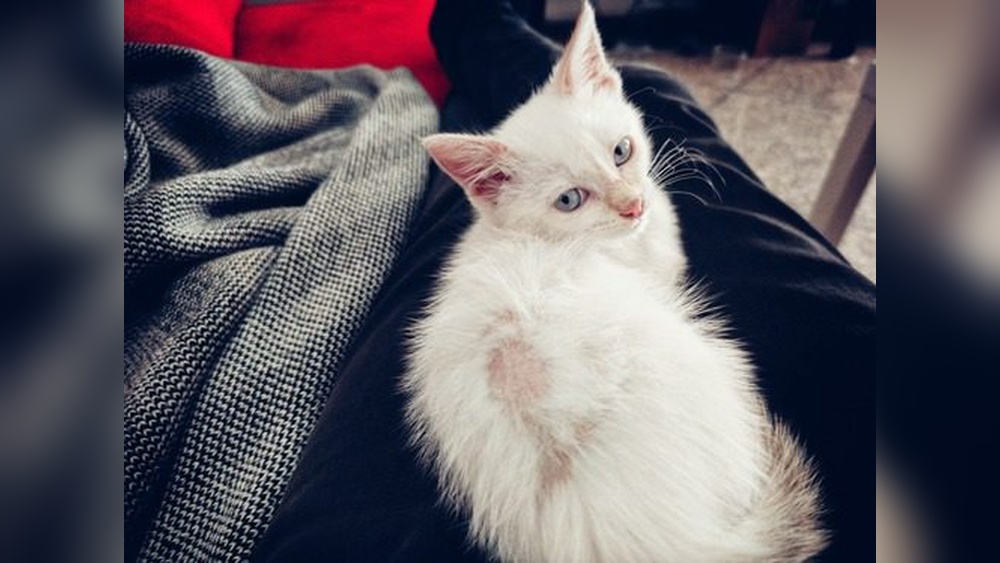
Have you ever noticed your cat pulling out clumps of fur while grooming and wondered why it’s happening? It can be worrying to see your furry friend doing this, especially if you don’t know the reason behind it.
Your cat’s grooming habits say a lot about their health and happiness. You’ll discover the surprising reasons why your cat might be pulling out its fur—and what you can do to help. Understanding this behavior is the first step to keeping your cat comfortable and healthy.
Keep reading to learn more.
Cat Grooming Behavior
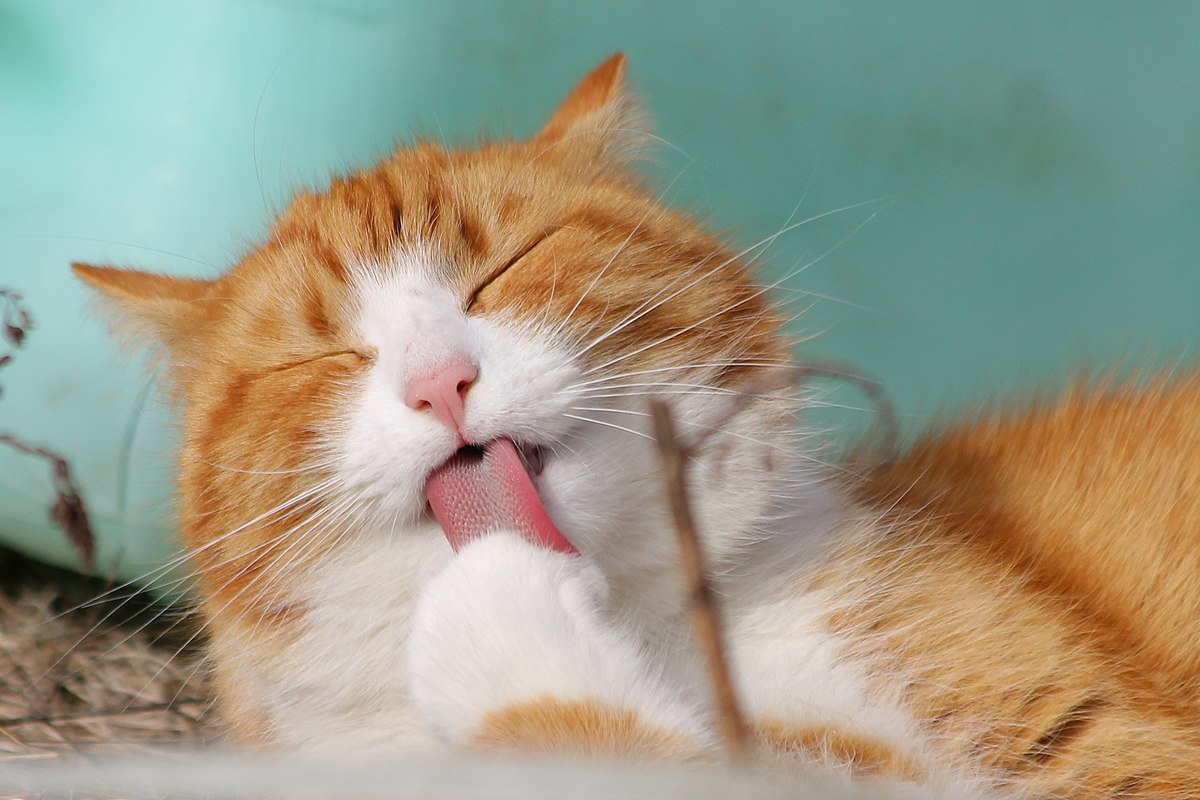
Cats spend a lot of time grooming themselves. Grooming keeps their fur clean and healthy. It also helps them feel calm and safe. Cats use their tongue to lick their fur and remove dirt. This behavior is normal and natural for all cats.
Grooming also helps cats cool down and spread natural oils on their skin. These oils keep their fur shiny and soft. Cats may groom several times a day, especially after eating or playing. Watching a cat groom can be relaxing and soothing.
Normal Grooming Patterns
Most cats groom gently and carefully. They lick their fur in small sections. This removes loose hair and dirt without causing harm. Grooming usually takes a few minutes at a time. Cats stop if they feel tired or distracted.
Normal grooming does not leave bald spots or cause pain. Cats may also groom each other in a friendly way. This helps build trust and social bonds. Grooming is a healthy habit that supports a cat’s well-being.
When Grooming Becomes Excessive
Some cats groom too much and pull out fur. This can cause bald patches or sores. Excessive grooming may happen due to stress or boredom. Skin allergies or parasites can also make cats scratch and lick more.
Too much grooming can hurt the skin and cause infections. Cats may lick the same area repeatedly. This behavior signals discomfort or anxiety. Owners should watch for changes in grooming habits and seek advice if needed.

Credit: www.wikihow.com
Common Causes Of Fur Pulling
Cats pull out fur for many reasons. Understanding these causes helps keep your cat healthy. Some causes are simple and easy to fix. Others need a vet’s care. Below are common reasons cats pull their fur while grooming.
Skin Allergies
Allergies cause itchiness and discomfort. Cats scratch and pull fur to ease the itch. Allergies can come from food, dust, or pollen. Identifying the allergen is key to treatment.
Parasite Infestations
Parasites like fleas and mites irritate the skin. Cats bite and pull fur to remove pests. Parasite infestations spread quickly without treatment. A vet can recommend safe parasite control.
Stress And Anxiety
Stress makes cats groom excessively. They pull fur as a way to cope. Changes in environment or routine often trigger stress. Providing comfort and stability helps reduce anxiety.
Medical Conditions
Some illnesses cause skin problems or pain. Cats may pull fur due to discomfort. Conditions like fungal infections or hormonal issues are common culprits. A vet visit is necessary for diagnosis and care.
Environmental Factors
Harsh weather or poor living conditions affect cat skin. Dry or dirty skin leads to fur pulling. Keeping a clean and cozy environment supports healthy fur. Proper grooming and care prevent problems.
Identifying Symptoms
Identifying symptoms helps you understand why your cat pulls out fur. Watch your cat closely. Early signs show what might be wrong. Spotting these symptoms can guide you to help your cat faster.
Visible Skin Irritations
Check your cat’s skin for redness or swelling. Look for scabs or bumps under the fur. These signs often mean your cat feels itchy or uncomfortable. Skin irritation may cause your cat to pull out fur.
Behavioral Changes
Notice if your cat grooms more than usual. Excessive licking or biting shows stress or pain. Your cat may seem restless or hide more. These changes often link to fur pulling behavior.
Hair Loss Patterns
Look at where the fur is missing. Bald spots in small areas can mean local irritation. Large patches of hair loss might signal allergies or infection. Symmetrical hair loss often points to stress or anxiety.
Veterinary Diagnosis
Veterinary diagnosis plays a key role in understanding why your cat pulls out fur while grooming. Cats may do this due to many health issues. A vet helps find the exact cause. This allows for proper treatment and care.
Physical Examination
The vet starts with a full physical exam. They check the cat’s skin and coat closely. They look for redness, bumps, or wounds. The vet also checks for parasites like fleas. This exam helps spot any obvious problems.
Allergy Testing
Allergies often cause cats to pull out fur. The vet may suggest allergy tests. These tests find if your cat reacts to certain foods or environments. Knowing the allergen helps avoid the cause. This can reduce itching and hair loss.
Skin Scrapings And Biopsies
Skin scrapings help find tiny parasites or infections. The vet gently scrapes the skin for samples. These samples go to a lab for study. A biopsy may be needed for deeper skin issues. It gives detailed information about skin diseases.
Treatment Options
Treating a cat that pulls out fur during grooming requires care and patience. Understanding the right steps can help your cat feel better fast. Treatment depends on the cause, such as allergies, parasites, or stress. Many options can improve your cat’s health and comfort.
Medications And Topicals
Veterinarians may prescribe medicines to reduce itching and inflammation. Topical creams and sprays help soothe irritated skin. Antibiotics can treat infections caused by scratching. Always follow the vet’s instructions for safe use. These treatments calm the skin and stop fur loss.
Parasite Control
Parasites like fleas and mites cause itching and fur pulling. Regular parasite control is crucial for healthy skin. Use vet-approved flea treatments and check for signs often. Treat your home and bedding to prevent reinfestation. Parasite control stops the cycle of itching and fur loss.
Dietary Adjustments
A balanced diet supports skin health and fur growth. Some cats need special food for allergies or sensitive skin. Omega-3 fatty acids and vitamins improve coat condition. Consult your vet about the best diet plan. Good nutrition reduces skin problems and fur pulling.
Stress Management Techniques
Stress causes cats to groom too much, pulling out fur. Create a calm environment with quiet spaces and toys. Play and attention help reduce anxiety. Use pheromone diffusers to soothe your cat. Managing stress helps stop over-grooming and improves overall well-being.
Preventing Fur Pulling
Preventing fur pulling in cats is important for their comfort and health. This behavior often signals stress, skin problems, or boredom. Stopping it early helps keep your cat’s coat healthy and your pet happy.
Regular Grooming Routine
Brush your cat’s fur gently every day. This removes loose hair and reduces itching. Use a soft brush made for cats. Regular grooming also helps you spot skin issues early. Make grooming a calm, quiet time to build trust.
Environmental Enrichment
Provide toys and climbing spaces for your cat. This keeps their mind busy and lowers stress. Cats need playtime to stay active and happy. Rotate toys often to keep things interesting. A busy cat is less likely to pull out fur.
Health Monitoring
Watch your cat for signs of illness or allergies. Skin problems often cause fur pulling. Visit the vet if you see redness, sores, or hair loss. Early treatment stops the behavior from getting worse. Keep vaccinations and flea control up to date.
When To Seek Professional Help
Knowing when to seek professional help is important for your cat’s health. Pulling out fur during grooming can be normal sometimes. But it may also signal a health or behavior problem. Early action can prevent more serious issues. Watch your cat closely and act if needed.
Persistent Symptoms
If your cat keeps pulling out fur daily, watch closely. Long-lasting bald spots or red, irritated skin need attention. Constant itching or sores can mean allergies or infections. A vet can find the cause and give the right treatment. Don’t wait if symptoms do not improve.
Behavioral Concerns
Excessive fur pulling can show stress or anxiety. Changes in environment or routine may upset your cat. Over-grooming might be a way to cope. A vet or animal behaviorist can help find the cause. They can suggest ways to calm your cat and stop this behavior.
Emergency Situations
Seek urgent care if your cat has open wounds or bleeding. Severe skin damage can lead to infections fast. If your cat seems very sick, weak, or stops eating, act immediately. Quick help can save your cat’s life. Never ignore sudden or severe symptoms.
Credit: www.vetstreet.com
Credit: www.reddit.com
Frequently Asked Questions
Why Does My Cat Pull Out Fur While Grooming?
Cats may pull out fur due to stress, allergies, or skin irritation. Excessive grooming can cause hair loss and discomfort. Identifying the underlying cause is essential for proper treatment and care.
Can Medical Issues Cause Cats To Pull Out Fur?
Yes, medical problems like parasites, infections, or hormonal imbalances can lead to fur pulling. A vet visit helps diagnose and treat these conditions effectively.
How Can I Stop My Cat From Pulling Out Fur?
Reduce stress, provide a balanced diet, and use vet-recommended treatments. Regular grooming and environmental enrichment also help prevent fur pulling and improve your cat’s well-being.
Is Excessive Grooming Normal Behavior In Cats?
Occasional grooming is normal, but excessive grooming may signal anxiety or health issues. Monitor your cat’s behavior and consult a vet if hair loss occurs.
Conclusion
Cats pulling out fur while grooming can signal health or stress issues. Watch your cat closely to spot changes in behavior or skin. Regular vet visits help catch problems early. Keep your cat’s environment calm and clean to reduce stress.
Proper grooming tools and routines also protect their coat. Remember, a healthy cat feels and looks better. Taking small steps can make a big difference in your cat’s comfort and happiness. Stay patient and observant—it helps your cat stay healthy and happy.