
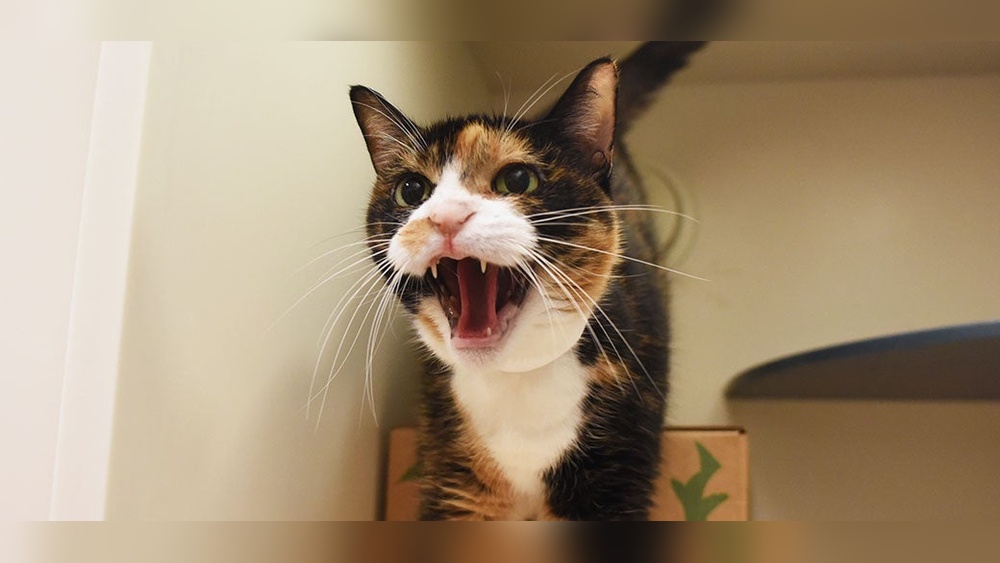
Have you ever wondered why your cat suddenly lashes out or seems more aggressive than usual? Understanding what causes a cat’s aggressive behavior can help you keep both your furry friend and yourself safe.
Whether your cat’s aggression is new or has been building up, knowing the reasons behind it is the first step to calming the situation. You’ll discover the common triggers and hidden signs that might be causing your cat to act this way—and how you can help your pet feel more at ease.
Keep reading to learn how to turn aggression into trust and harmony in your home.

Credit: cattree.uk
Common Triggers Of Aggression
Cats show aggression for many reasons. Understanding what triggers this behavior helps you respond better. Aggression can be sudden or build up slowly. It often signals a problem the cat faces.
Common triggers include fear, territorial instincts, and pain. These causes explain why a calm cat might suddenly act out. Recognizing these triggers helps keep both you and your cat safe.
Fear And Anxiety
Fear is a strong trigger for cat aggression. A scared cat may hiss, scratch, or bite. Loud noises, new people, or strange animals can cause fear. Anxiety also makes cats more defensive. They may act aggressively to protect themselves.
Territorial Instincts
Cats are naturally territorial. They want to protect their space from intruders. A new pet or stranger can make a cat feel threatened. This feeling can lead to growling or swatting. Marking territory with scent is another sign. Defending their area is normal but can cause fights.
Pain And Illness
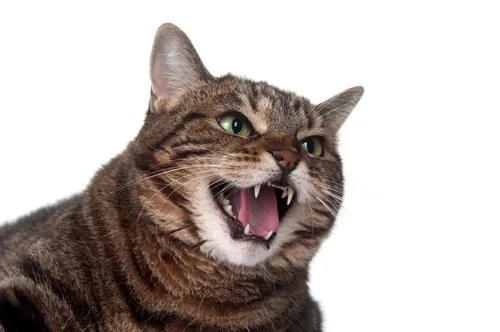
When cats hurt or feel sick, they may act aggressively. Pain makes them less tolerant of touch or handling. Illness can cause irritability and sudden aggression. Watch for changes in behavior or appetite. A vet visit can find hidden health problems.
Credit: brownvethospital.com
Environmental Factors
Environmental factors play a big role in a cat’s behavior. Cats are sensitive to their surroundings. Changes or problems in their environment can make them act aggressively. Understanding these factors helps in managing and preventing aggression in cats.
Changes In Surroundings
Sudden changes in a cat’s environment can cause stress. Moving to a new home, new furniture, or new people can upset cats. They rely on familiar smells and places. When these change, cats may feel unsafe. This fear often shows as aggressive behavior. Keeping changes slow and gradual helps cats adjust better.
Lack Of Stimulation
Cats need mental and physical activity every day. Bored cats can become frustrated and restless. This frustration can lead to aggression. Without toys, playtime, or space to explore, cats may lash out. Providing toys and regular play helps keep cats calm and happy. A stimulated cat is less likely to show aggression.
Social And Behavioral Causes
A cat’s aggressive behavior often stems from social and behavioral causes. These reasons involve how cats interact with people, other animals, and their environment. Understanding these causes helps in managing and reducing aggression.
Many cats show aggression due to their social experiences. Their behavior depends on how they were raised and treated. Some cats may not have learned proper social skills. Others might react aggressively because of stress or fear.
Poor Socialization
Poor socialization happens when a cat does not meet enough people or animals as a kitten. Cats need gentle and positive contact early in life. Without it, they may feel scared or threatened by new faces. This fear can turn into aggressive behavior. Cats with poor socialization may hiss, scratch, or bite to protect themselves.
Redirected Aggression
Redirected aggression occurs when a cat cannot attack the real cause of its anger. The cat may lash out at a nearby person or animal instead. This behavior often happens if the cat sees another cat outside but cannot reach it. The cat’s frustration builds up and then explodes on the closest target. Understanding redirected aggression helps prevent sudden attacks in the home.

Credit: journals.sagepub.com
Genetic And Developmental Influences
Genetic and developmental factors play a key role in a cat’s aggressive behavior. Some cats may inherit traits that make them more prone to aggression. Early life experiences also shape how cats respond to people and other animals.
Understanding these influences helps in managing and reducing aggression. Genetics set a baseline for behavior. Development adds layers based on environment and socialization.
Genetic Predisposition To Aggression
Cats inherit genes from their parents. These genes can affect temperament and mood. Certain breeds show higher aggression levels due to genetics. Aggression can be a natural defense trait passed down.
Genes influence brain chemistry linked to fear and anger. Some cats react quickly to threats because of inherited traits. This explains why some cats are more aggressive than others.
Impact Of Early Socialization
Socialization during kittenhood shapes behavior. Kittens that interact with humans and other animals become calmer adults. Lack of socialization may cause fear-based aggression. Early gentle handling teaches trust and reduces stress.
Exposure to different sights, sounds, and experiences builds confidence. Unsocialized cats may feel threatened easily. This leads to aggressive reactions as a form of protection.
Developmental Trauma And Its Effects
Trauma during early stages affects a cat’s behavior long-term. Abuse or neglect can cause fear and anxiety. These feelings often show as aggression. Cats that experience trauma need extra care and patience.
Stress in early life changes brain development. This affects how cats handle fear and aggression. Helping traumatized cats requires understanding and gentle support.
Frequently Asked Questions
What Triggers Aggressive Behavior In Cats?
Aggression in cats can be triggered by fear, pain, territorial disputes, or stress. Changes in environment or routine also cause aggression. Understanding these triggers helps manage and reduce aggressive episodes effectively.
How Does Pain Cause Cat Aggression?
Cats often hide pain but may show aggression when hurt. Pain makes them defensive and irritable. Identifying and treating pain is essential to reduce aggressive behavior and improve their well-being.
Can Stress Lead To A Cat’s Aggressive Behavior?
Yes, stress from new pets, loud noises, or changes at home can cause aggression. Stress affects a cat’s mood and behavior. Providing a calm environment helps minimize stress-induced aggression.
Is Territorial Behavior A Reason For Cat Aggression?
Territorial disputes often cause cats to act aggressively. Cats defend their space against other animals or unfamiliar people. Proper introductions and safe spaces can prevent territorial aggression.
Conclusion
Cats may show aggression for many reasons like fear, pain, or stress. Understanding these causes helps you care for your pet better. Pay attention to changes in behavior and environment. Calm and gentle handling can reduce aggressive actions. Always consult a vet if aggression lasts or worsens.
Patience and love often help cats feel safe again. Remember, each cat is different and needs your support.