
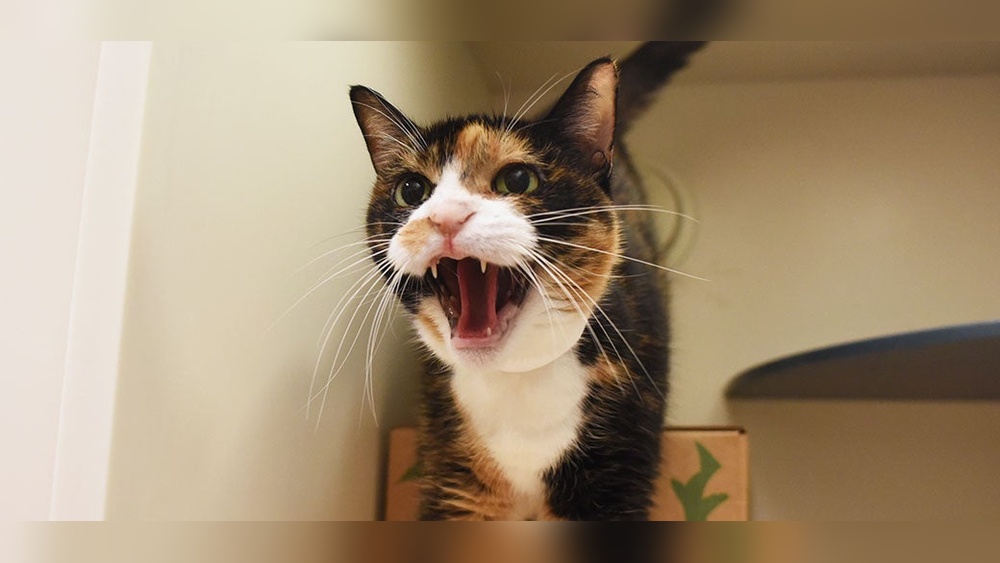
Are you noticing your cat acting differently lately? Maybe your furry friend seems more aggressive, restless, or just not themselves.
It’s confusing and frustrating when your cat’s behavior gets worse, especially when you don’t know why. You want to help, but where do you start? Understanding the reasons behind these changes can make all the difference. Keep reading to discover the common causes and simple solutions that can bring peace back to your home—and to your beloved pet.
Signs Of Changing Cat Behavior
Cats can show changes in their behavior for many reasons. These changes might be small at first. You might notice your cat acting differently than usual. Watching these signs helps you understand your cat better. It also helps you decide if your cat needs help.
Not all changes mean trouble. Some are normal as cats grow older or face new situations. Other times, changes may signal stress, illness, or discomfort. Knowing what to watch for makes a big difference.
Common Behavioral Changes
Some common changes include hiding more often or avoiding people. Your cat might stop playing or lose interest in food. You may hear more meowing or see more scratching. Aggression can increase, or your cat may become unusually quiet.
Changes in litter box use are important. Accidents outside the box can mean health problems or stress. Sudden changes in sleeping patterns may also occur. Your cat could sleep much more or less than before.
When To Be Concerned
Be alert if your cat shows signs of pain or discomfort. Sudden aggression or fear is a warning. If your cat stops eating or drinking, act quickly. Changes lasting more than a few days need attention.
Watch for weight loss or gain. Difficulty moving or grooming can signal illness. If your cat acts confused or disoriented, see a vet. Early help can prevent serious problems.

Credit: www.purina.com
Health Issues Affecting Behavior
Cats often hide health problems well. These hidden issues can change their behavior. Changes in behavior may signal illness. Watching closely helps catch problems early. Understanding health issues can improve your cat’s life.
Hidden Illnesses
Some illnesses are hard to see. Cats may act strange without obvious signs. Diseases like kidney problems or thyroid issues affect behavior. Your cat might hide pain or discomfort. These illnesses can make cats irritable or withdrawn. Regular vet checks can find hidden illnesses early.
Pain And Discomfort
Pain changes how cats behave. A cat in pain may growl or scratch more. It might avoid people or stop playing. Injuries and arthritis cause constant discomfort. Cats hide pain to protect themselves. Notice small changes like limping or grooming less. Treating pain helps your cat feel better fast.
Environmental Stressors
Cats are very sensitive to changes around them. Environmental stressors can cause their behavior to change. Stress can make cats act out or become withdrawn. Understanding these stressors helps you support your cat better.
Changes In Home Environment
Moving to a new house can upset a cat’s routine. New furniture or rearranged rooms can confuse them. Loud noises from construction or parties can scare cats. Even small changes, like different smells, affect cats deeply. These changes make cats feel unsafe and stressed.
New Pets Or People
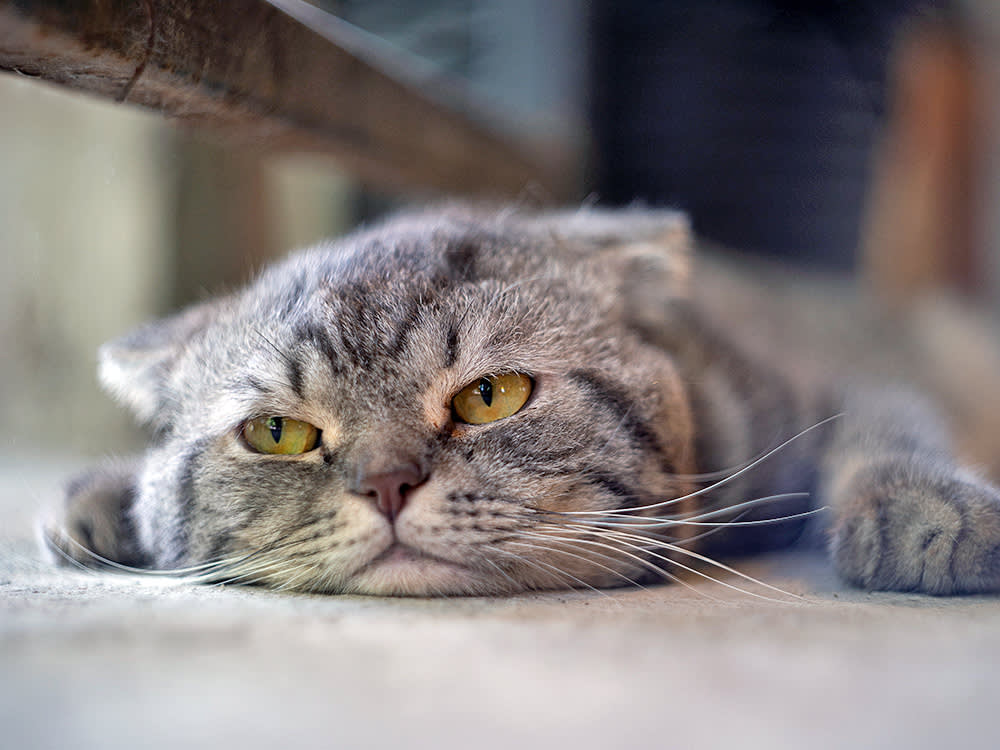
Introducing a new pet can create tension in the home. Cats may feel threatened by unfamiliar animals. New people visiting often cause anxiety for shy cats. Cats need time to adjust to new faces or pets. Without patience, stress can build and worsen their behavior.
Credit: www.kinship.com
Emotional And Psychological Factors
Cats can show changes in behavior due to their feelings and mental state. Emotional and psychological factors play a big role. These factors often explain why a cat acts differently or worse than before. Understanding your cat’s emotions helps you respond better.
Anxiety And Fear
Fear can cause a cat to hide, hiss, or scratch. Anxiety may lead to constant pacing or meowing. New places, loud noises, or strange people can trigger these feelings. Cats feel stress just like humans do. This stress can make their behavior worse.
Boredom And Loneliness
Cats need attention and mental activity. Boredom can lead to destructive actions like scratching furniture. Loneliness may cause a cat to become clingy or restless. Without enough play or company, cats feel unhappy. This unhappiness shows in their behavior.
Diet And Nutrition Impact
Diet and nutrition play a big role in a cat’s behavior. What your cat eats affects its mood and health. Poor diet can cause stress, irritability, or unusual actions. Cats need balanced food to stay calm and happy. Changes in diet might lead to worse behavior. Understanding how food impacts your cat helps you care better.
Food Sensitivities
Food sensitivities cause discomfort and behavior changes in cats. Some cats react to certain ingredients like grains or dairy. These reactions may cause itching, vomiting, or stomach pain. A cat in pain may act out or become withdrawn. Identifying and avoiding sensitive foods can improve your cat’s mood. Feeding a simple, natural diet often helps reduce sensitivity issues.
Nutritional Deficiencies
Missing nutrients can lead to poor behavior in cats. Deficiencies in vitamins, minerals, or proteins affect brain function and energy. Cats lacking taurine or vitamin B may become anxious or restless. A balanced diet supports healthy nerve and muscle function. Feeding high-quality cat food ensures your cat gets needed nutrients. Proper nutrition leads to a calmer and more balanced pet.
Age-related Behavioral Shifts
As cats grow older, their behavior can change noticeably. These age-related shifts can confuse pet owners. Understanding these changes helps improve your cat’s quality of life. Aging affects their energy, mood, and habits.
Senior Cat Challenges
Older cats face many challenges that affect behavior. They may become less active and sleep more. Changes in appetite or bathroom habits are common. Sometimes, they show signs of irritability or anxiety. These changes often come from physical discomfort or health issues. Paying attention to these signs helps catch problems early.
Cognitive Dysfunction
Cognitive dysfunction affects many senior cats. It is similar to dementia in humans. Cats may forget familiar places or people. They might get confused or disoriented. Changes in sleep patterns and increased vocalization happen too. This condition can cause mood swings and loss of litter box training. Early diagnosis can help manage symptoms and keep your cat comfortable.
Training And Socialization Gaps
Training and socialization are key parts of a cat’s behavior. Gaps in these areas can cause problems. Cats need early learning to behave well. Without it, they may act out more. Understanding where training goes wrong helps improve your cat’s habits.
Lack Of Early Training
Cats learn best as kittens. Early training shapes their behavior and social skills. Without this, cats may fear people or other pets. They might scratch, bite, or hide often. Early lessons teach cats what is okay to do. Missing this stage leads to confusion and bad habits.
Inconsistent Discipline
Discipline must be steady and clear. Mixed messages confuse cats. Sometimes good behavior gets ignored, other times punished. This inconsistency causes stress and anxiety. Cats may test limits more if rules change. Consistent feedback helps cats learn what you expect.
When To Seek Professional Help
Sometimes, your cat’s behavior can get worse despite your efforts. This can be confusing and stressful. Knowing when to ask for help is key. Professional advice can guide you and protect your cat’s health and happiness.
Veterinary Consultation
Visit a vet if your cat shows sudden or severe behavior changes. Illness or pain often cause new behaviors. Your vet can check for medical problems. Blood tests or physical exams might be needed. Treating health issues can improve behavior quickly.
Also, vets can suggest medicines or therapies. These can calm anxiety or aggression. Early veterinary help can prevent bigger problems later.
Behavioral Specialists
Behavior experts focus on your cat’s habits and feelings. They study causes of bad behavior beyond health issues. Specialists use training and environment changes to help. They teach you ways to manage your cat’s behavior at home.
Contact a specialist if problems continue despite vet care. They help with issues like aggression, fear, or litter box problems. Their guidance can improve your cat’s life and your bond.

Credit: beyondpets.com
Frequently Asked Questions
Why Is My Cat Suddenly Aggressive?
Sudden aggression in cats can be caused by stress, pain, illness, or changes in their environment. It’s important to observe behavior closely and consult a vet to rule out medical issues or address anxiety.
Can Stress Worsen A Cat’s Behavior?
Yes, stress is a common trigger for worsening behavior in cats. Changes in routine, new pets, or loud noises can cause anxiety. Managing stress through a calm environment and enrichment helps improve behavior.
How Does Illness Affect Cat Behavior?
Illness can make cats irritable, withdrawn, or aggressive. Pain or discomfort often leads to behavior changes. Early veterinary care is crucial to identify and treat underlying health problems promptly.
Could Lack Of Stimulation Cause Bad Behavior?
Yes, cats need mental and physical stimulation. Boredom may lead to destructive or attention-seeking behavior. Providing toys, playtime, and interaction helps keep cats engaged and reduces negative behaviors.
Conclusion
Cats may act out due to stress, health, or changes at home. Watch for signs and stay patient with your pet. Try to keep routines steady and give extra attention. Sometimes, a vet visit helps find hidden problems. Remember, your cat needs love and care to feel safe.
Small steps can improve behavior over time. Understanding your cat better creates a happier home for both of you. Keep learning and stay calm—your cat will thank you.