

Bringing a kitten into your home is exciting, but it also comes with important responsibilities. You want to make sure your new furry friend stays happy, healthy, and safe.
Knowing exactly what you need to care for a kitten can save you time, stress, and even money down the road. You’ll discover the simple yet essential steps to give your kitten the best start in life. Keep reading to learn how to create a loving environment where your kitten can thrive.
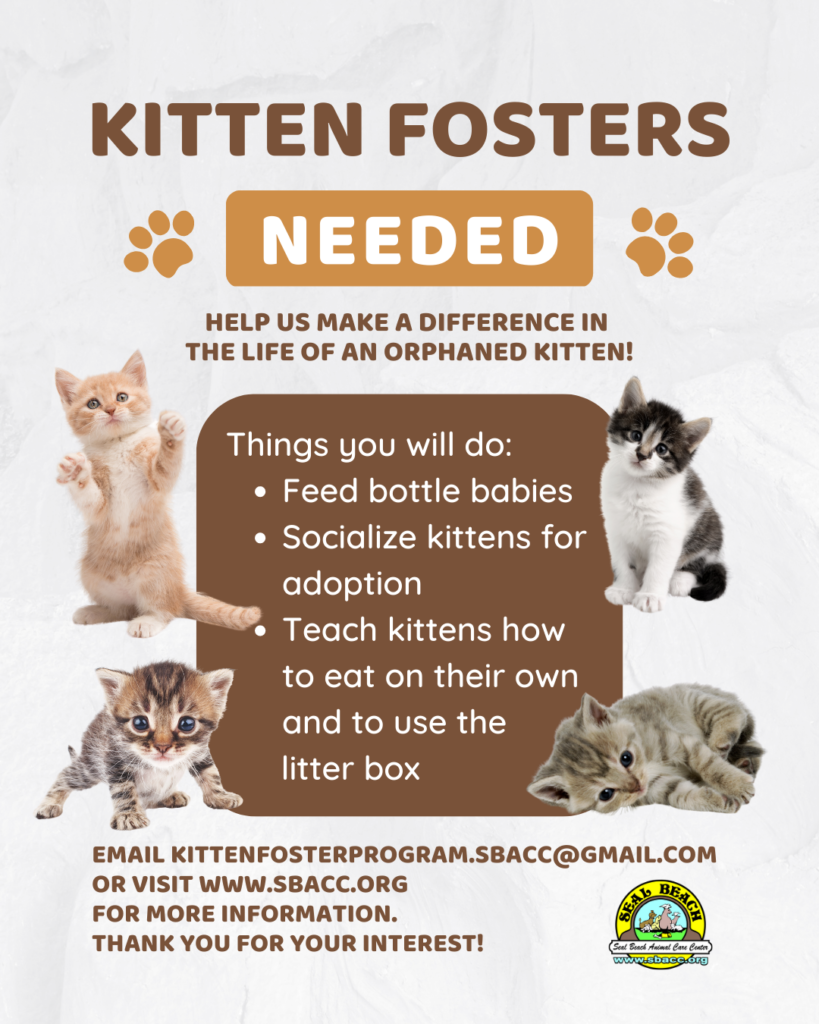
Credit: www.sbacc.org
Preparing Your Home
Preparing your home is the first step to welcome a new kitten. It helps keep your kitten safe and comfortable. A well-prepared home can reduce stress for both you and your pet. Planning the space makes the kitten’s transition easier and faster.
Safe Spaces For Kittens
Create quiet corners where your kitten can rest. Use soft bedding or blankets for comfort. Keep these areas away from loud noises and heavy foot traffic. Kittens need a calm place to feel secure. Provide a small box or cat bed in a cozy spot.
Removing Hazards
Check your home for small objects a kitten can swallow. Hide electrical cords or cover them with protective sleeves. Move toxic plants, chemicals, and sharp items out of reach. Secure windows and balconies to prevent falls. Remove anything that could hurt a curious kitten.
Setting Up A Litter Area
Choose a quiet, low-traffic spot for the litter box. Use a shallow box for easy kitten access. Place soft, clumping litter that is safe for kittens. Keep the area clean to encourage good habits. Avoid placing food or water near the litter box.
Feeding Essentials
Feeding a kitten properly is very important for its health and growth. Kittens need good nutrition to build strong bones and muscles. Giving the right food helps them stay active and happy. Here are some basics about feeding your kitten.
Choosing The Right Food
Pick food made especially for kittens. Kitten food has more protein and fat than adult cat food. These nutrients help kittens grow fast and stay healthy. Wet food is easier for kittens to eat and digest. You can also offer dry food, but make sure it is soft or moisten it with water.
Always check the label. Look for foods with real meat and no fillers like corn or soy. Avoid giving kittens dog food or human food. These do not have the right nutrients and can hurt their health.
Feeding Schedule
Kittens need small meals many times a day. Feed them about four times daily until they are six months old. After six months, you can reduce feeding to two or three times a day. Keep meal times regular. This helps kittens learn when to eat and keeps their stomachs healthy.
Use a clean bowl each time. Remove leftover food to avoid germs. Watch your kitten’s weight and energy to see if you need to change the amount of food.
Hydration Tips
Kittens need fresh water at all times. Change the water daily to keep it clean. Some kittens prefer running water. A pet water fountain can encourage them to drink more. Wet food also helps with hydration since it contains moisture.
Do not give milk. Many kittens cannot digest milk and it may cause stomach problems. Always provide plain, fresh water to keep your kitten healthy and hydrated.
Health And Vet Care
Taking care of a kitten’s health is very important. Good health helps your kitten grow strong and happy. Regular vet visits and proper care prevent many illnesses. Learning about health needs helps you give the best care.
Initial Vet Visit
Schedule the first vet visit soon after bringing your kitten home. The vet will check your kitten’s overall health. They look for signs of illness or birth defects. This visit sets the stage for a healthy life. The vet also gives advice on feeding and care.
Vaccinations And Deworming
Kittens need vaccinations to protect against common diseases. Vaccines fight viruses like feline distemper and rabies. Follow the vet’s schedule for shots. Deworming removes harmful worms that can make kittens sick. Regular treatments keep your kitten healthy and active.
Recognizing Illness Signs
Watch your kitten closely for signs of illness. Loss of appetite, vomiting, or diarrhea are red flags. Sneezing, coughing, or difficulty breathing also need attention. Lethargy or sudden behavior changes may show sickness. Early care can prevent serious health problems.
Grooming Basics
Caring for a kitten involves more than food and play. Grooming is a key part of keeping your kitten healthy and happy. It helps prevent problems like mats, dirt buildup, and infections. Start grooming early to help your kitten get used to it. Regular grooming strengthens your bond and keeps your kitten comfortable.
Brushing And Bathing
Brushing your kitten removes loose fur and dirt. Use a soft brush made for kittens. Brush gently to avoid hurting their delicate skin. Bathing is rarely needed unless your kitten gets very dirty. Use warm water and kitten-safe shampoo. Dry your kitten well to prevent chills.
Nail Trimming
Trim your kitten’s nails every two weeks. Use small, sharp nail clippers designed for pets. Hold the paw gently and clip the sharp tip only. Avoid cutting into the quick, the pink part inside the nail. If unsure, trim a little at a time.
Ear And Eye Care
Check your kitten’s ears weekly. Use a soft cloth or cotton ball dampened with water to clean the outer ear. Never insert anything deep into the ear canal. Wipe around the eyes to remove discharge. Use a clean, damp cloth and be gentle.
Socialization And Play
Socialization and play are key to a kitten’s growth. These activities help kittens learn about the world. They also build trust with their human friends. Playtime teaches kittens important skills like hunting and problem-solving. Socializing kittens early helps them become friendly, confident cats.
Interactive Toys
Interactive toys keep kittens active and curious. Toys like feather wands or balls encourage chasing and pouncing. These toys mimic the movements of prey animals. They help kittens practice their natural hunting skills. Choose toys that are safe and easy to clean.
Handling And Bonding
Gently handling a kitten builds a strong bond. Hold them softly and speak in calm voices. Petting and cuddling help kittens feel safe and loved. Regular handling makes vet visits and grooming easier. Spend quiet time with your kitten every day.
Encouraging Healthy Behavior
Play teaches kittens what behavior is okay. Redirect biting or scratching to toys, not hands. Reward good behavior with treats or praise. Set clear boundaries early to prevent bad habits. Positive reinforcement helps kittens learn faster and stay happy.
Essential Supplies
Preparing for a new kitten means gathering the right supplies. These items help your kitten feel safe and comfortable. They also make care easier and more enjoyable. Here are the essential supplies every kitten owner needs.
Bedding And Carriers
A soft bed gives your kitten a cozy place to rest. Choose washable materials for easy cleaning. A carrier is important for trips to the vet or travel. It keeps your kitten safe and secure. Look for carriers with good ventilation and enough space.
Feeding Bowls And Water Fountains
Use shallow bowls for food and water. This helps small kittens eat and drink easily. Stainless steel or ceramic bowls are best. They are easy to clean and do not hold bacteria. A water fountain encourages your kitten to drink more. Running water is more attractive to cats.
Scratching Posts And Toys
Scratching posts protect your furniture and keep claws healthy. Provide a sturdy post with rough material like sisal. Toys help your kitten stay active and happy. Choose soft, safe toys for play and exercise. Rotate toys often to keep your kitten interested.
Training Tips
Training a kitten takes patience and kindness. It helps your kitten grow into a well-behaved cat. Early training sets a good path for your pet’s life. Start with small steps and keep sessions short. Positive habits form faster this way. Focus on clear signals and gentle guidance.
Litter Training
Choose a quiet spot for the litter box. Keep it clean by scooping daily. Show your kitten where the box is. Place your kitten inside after meals and naps. Praise them when they use the box. Avoid punishment for accidents. Patience is key to success.
Discouraging Biting And Scratching
Kittens explore with their mouths and paws. Offer toys to redirect biting and scratching. Say “no” firmly but calmly if they bite you. Stop playing for a moment when they bite hard. Use scratching posts to save your furniture. Reward gentle play to encourage good behavior.
Positive Reinforcement
Reward your kitten with treats and praise. Use a soft voice to encourage them. Give rewards right after good actions. This helps your kitten connect behavior and reward. Avoid punishment; it can cause fear. Positive reinforcement builds trust and good habits fast.
Credit: www.sanjoseca.gov

Credit: www.humanesocietyofvaldosta.org
Frequently Asked Questions
How Often Should I Feed A Kitten?
Kittens need small, frequent meals. Feed them 3-4 times daily with kitten-specific food. Proper nutrition supports growth and energy.
What Vaccinations Does A Kitten Need?
Kittens require core vaccines like FVRCP and rabies. Consult a vet for a vaccination schedule. Vaccines protect against common diseases.
How Do I Litter Train My Kitten?
Place kittens in a litter box after meals and naps. Use unscented, clumping litter. Praise them when they use it correctly.
What Toys Are Best For Kitten Development?
Choose safe, interactive toys like feather wands and balls. Toys stimulate hunting instincts and encourage exercise. Rotate toys to keep interest high.
Conclusion
Caring for a kitten takes time and patience. Provide food, water, and a safe space. Keep your kitten warm and comfortable. Play with them to help them grow happy. Regular vet visits keep your kitten healthy. Clean their litter box every day.
Love and attention make a big difference. Enjoy the special moments with your new friend. Taking good care helps your kitten thrive. Simple steps create a strong bond between you both.