

Bringing a kitten into your home is an exciting experience, but it also comes with important responsibilities. You want to make sure your new furry friend grows up healthy, happy, and loved.
Knowing how to take care of a kitten properly can make all the difference in their development and your bond. You’ll discover simple, practical tips that anyone can follow to give your kitten the best start in life. Keep reading—you’ll soon feel confident and ready to provide the care your kitten truly needs.
Preparing Your Home
Preparing your home for a new kitten is very important. It helps your kitten feel safe and happy. A little planning makes the first days easier. Your kitten will explore and need a calm place to rest. Getting the right supplies helps you care for your kitten well.
Safe Spaces For Kittens
Create a quiet and warm spot for your kitten. Use a soft bed or blanket in a small room. This space should be away from loud noises and busy areas. Kittens need a place to hide and feel secure. Make sure the area has fresh water and a litter box nearby.
Essential Supplies
Gather all supplies before bringing your kitten home. You will need food and water dishes. Choose kitten food made for their age and size. A litter box with gentle litter is very important. Provide toys to keep your kitten active and happy. A scratching post helps protect your furniture.
Kitten-proofing Tips
Remove small objects your kitten can swallow. Cover electrical cords or keep them out of reach. Close windows and doors to prevent escapes. Keep plants that are toxic to cats away. Store chemicals and cleaning supplies safely. Check for places where your kitten can get stuck or fall.
Feeding Your Kitten
Feeding your kitten is one of the most important parts of care. Proper nutrition helps them grow strong and healthy. Kittens need food that supports their rapid development and high energy levels. Knowing what to feed and how often can make a big difference in their health.
Choosing The Right Food
Pick food made especially for kittens. Kitten food has more protein and fat than adult cat food. Wet food is easier to eat and helps keep kittens hydrated. Dry food is good for teeth but should be balanced with wet food. Check labels for high-quality ingredients. Avoid foods with fillers or artificial additives.
Feeding Schedule
Kittens need small meals often. Feed them about four times a day until they reach six months. After six months, you can reduce to three meals daily. Keep feeding times consistent. This helps regulate their digestion and prevents overeating. Always watch how much your kitten eats to avoid weight problems.
Hydration Needs
Kittens need plenty of water to stay healthy. Provide fresh water at all times. Change the water daily to keep it clean. Wet food helps increase their water intake. Avoid milk, as many cats cannot digest it well. Proper hydration supports kidney health and digestion.
Health And Wellness
Taking care of a kitten’s health and wellness is very important. A healthy kitten grows strong and happy. This section covers key points to keep your kitten well. Follow these simple steps to help your kitten stay fit and lively.
Vaccinations And Vet Visits
Vaccinations protect kittens from serious diseases. Schedule the first vet visit soon after bringing your kitten home. Your vet will suggest a vaccination plan. Follow the schedule to keep your kitten safe. Regular check-ups catch health problems early. These visits help track your kitten’s growth and wellbeing.
Common Health Issues
Kittens may face common health problems. Watch for signs like sneezing, coughing, or loss of appetite. Parasites such as fleas and worms are frequent. Keep your kitten’s living area clean. If symptoms appear, visit the vet quickly. Early care prevents serious illness and keeps your kitten comfortable.
Grooming Basics
Grooming keeps your kitten clean and healthy. Brush your kitten’s fur gently to avoid tangles. Check eyes and ears for dirt or infection. Trim nails carefully to prevent scratches. Bathing is rarely needed but can be done with kitten-safe shampoo. Grooming also helps you bond with your kitten.

Credit: www.bluebuffalo.com
Socialization And Behavior
Socialization and behavior shape a kitten’s future personality. Early social skills help kittens become friendly and confident pets. Understanding their needs makes bonding easier. Behavior also affects how well they adjust to new homes.
Handling And Bonding
Hold your kitten gently and often. Touch their paws, ears, and tail softly. This helps them trust you. Speak in a calm voice to soothe them. Petting and playing build a strong bond. Spend time with your kitten every day.
Litter Training
Place your kitten in the litter box after meals and naps. Use a clean, quiet spot for the box. Show them how to dig in the litter. Praise them when they use it. Clean the box regularly to keep them happy.
Managing Play And Energy
Kittens have lots of energy to burn. Provide toys like balls and feather wands. Play short sessions several times a day. This stops unwanted behavior and keeps them healthy. Rest is also important for their growth.
Safety Tips
Keeping a kitten safe is the first step in caring for them. Kittens are curious and small. They can get into trouble quickly. Knowing safety tips helps protect your kitten from harm. Focus on their environment, food, and emergency plans. These steps keep your kitten healthy and happy.
Indoor Vs Outdoor Risks
Indoor kittens face fewer dangers. They avoid traffic, wild animals, and bad weather. Indoors also stops them from catching diseases from other animals. Outdoor kittens face many risks. Cars, predators, and poisons can hurt them. If you let your kitten outside, watch them closely. A safe outdoor space helps reduce risks.
Toxic Foods And Plants
Many common foods and plants harm kittens. Chocolate, onions, and garlic cause sickness. Grapes and raisins can be deadly. Some houseplants like lilies and poinsettias are toxic. Keep these out of reach. Always check what your kitten can safely eat. Offer only kitten-friendly treats and food.
Emergency Preparedness
Prepare for emergencies before they happen. Have a first aid kit for your kitten. Know the nearest emergency vet clinic. Learn basic kitten first aid skills. Keep important phone numbers handy. Quick action saves lives in accidents or sudden sickness. Stay calm and act fast.

Credit: www.shattovet.com
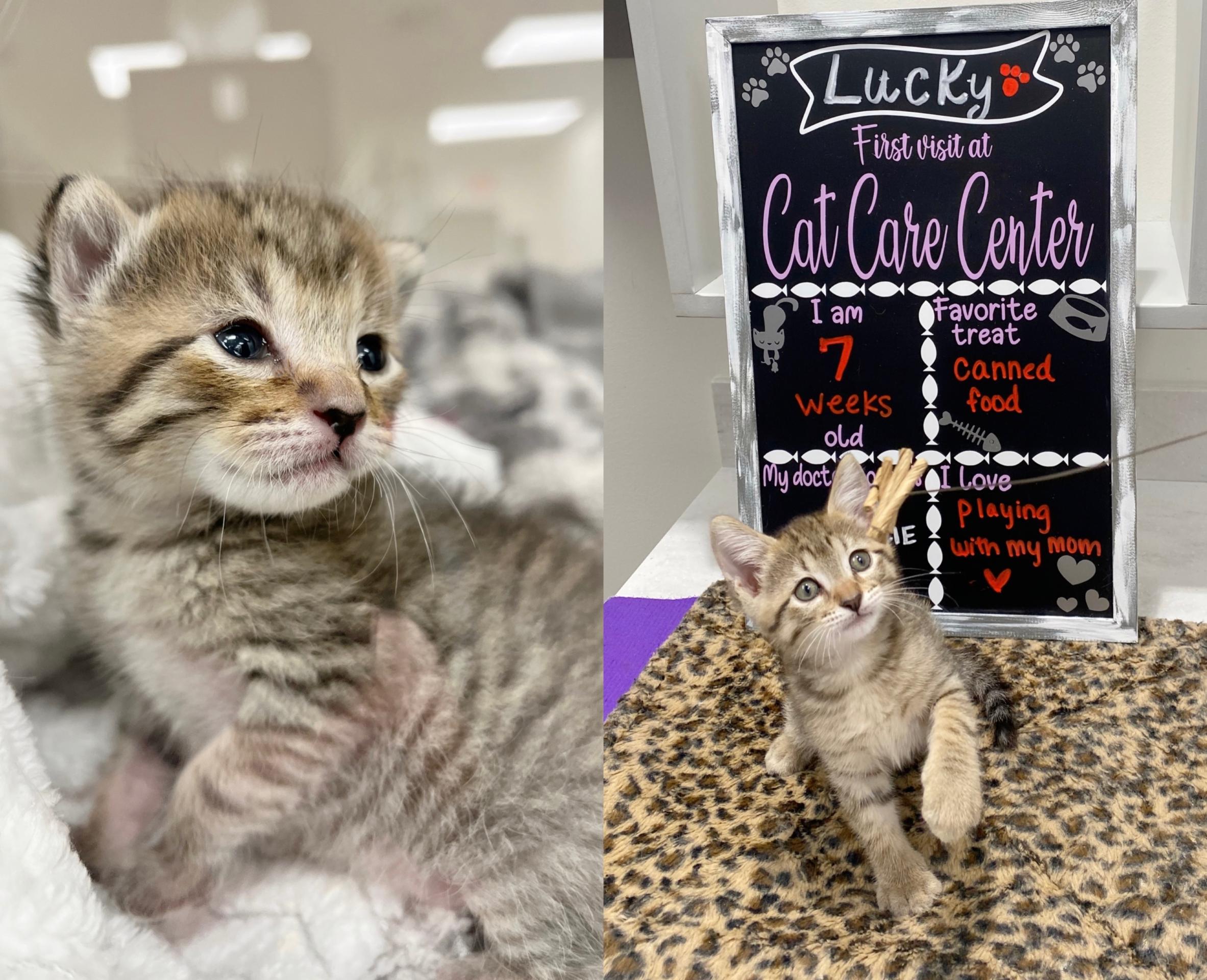
Credit: www.catcarecenter.com
Frequently Asked Questions
How Often Should I Feed A Kitten?
Feed a kitten four times daily with kitten-specific food. Their small stomachs need frequent, balanced meals for healthy growth.
When Should Kittens Start Litter Training?
Begin litter training as soon as kittens open their eyes. Use a shallow litter box with non-clumping litter to encourage early use.
What Vaccinations Does A Kitten Need?
Kittens need core vaccines like FVRCP and rabies. Consult your vet for the vaccination schedule starting at six to eight weeks old.
How Do I Socialize A Young Kitten?
Gently expose your kitten to people and pets daily. Positive interactions build confidence and reduce fear in new environments.
Conclusion
Taking care of a kitten brings joy and responsibility. Feed them well and keep their space clean. Play often to help them grow healthy and happy. Visit the vet for regular checkups and vaccines. Show love and patience every day.
Small steps make a big difference in their life. Enjoy the bond you build with your new friend. Caring for a kitten is simple with kindness and attention.