
Have you ever wondered when cat breeding actually began? If you’re curious about the roots of how different cat breeds came to be, you’re in the right place.
Understanding the history of cat breeding can change the way you see your furry friend and deepen your appreciation for their unique traits. Keep reading to uncover the surprising story behind cat breeding and discover how it shaped the cats you know and love today.
Early Human And Cat Interaction
Humans and cats have shared a unique bond for thousands of years. This relationship started long before modern cat breeding began. Early humans noticed wild cats living near their settlements. These cats helped control pests, making life easier for people. Over time, this connection grew stronger. The interaction between humans and cats shaped the history of both species.
Cats In Ancient Societies
Ancient societies quickly saw the value of cats. Egypt is the most famous example. There, cats were not just pets but sacred animals. People believed cats brought protection and good luck. Cats appeared in art, jewelry, and even religious symbols. Other cultures, like the Romans and Greeks, also kept cats. They admired cats for their hunting skills and graceful nature.
Mutual Benefits Of Early Relationships
Early humans and cats helped each other survive. Cats hunted rodents that threatened food supplies. People provided cats with food and shelter. This safe environment allowed cats to thrive near humans. Cats’ presence reduced disease spread by controlling pests. This mutual help created a lasting bond. It laid the foundation for breeding cats that suited human needs.
Credit: www.scientificamerican.com
Evidence From Archaeology
Archaeology provides key clues about the start of cat breeding. Ancient sites reveal how humans and cats began living closely. These discoveries help us understand the early bond between species.
Cat Remains In Ancient Sites
Archaeologists found cat bones in human settlements from thousands of years ago. These remains show cats lived near people, not wild forests. In some places, cats were buried with humans, suggesting respect and care.
The oldest known cat remains linked to humans date back about 9,000 years. These findings hint that people started keeping cats for hunting pests. Cats helped protect food stores from rodents, making them valuable companions.
Artifacts Depicting Cats
Artifacts like pottery and sculptures show cats in ancient cultures. These objects often portray cats as sacred or special animals. Egyptian art, for example, frequently features cats, showing their importance in society.
Such depictions suggest cats had roles beyond hunting. They may have been symbols of luck, protection, or household guardians. These artifacts reveal how cats earned a place in human hearts and homes early on.
Domestication Timeline
The domestication timeline of cats traces back thousands of years. It shows how wildcats became the pets we know today. This process was slow and natural. Humans and cats formed a bond that changed both species.
Early humans valued cats for their hunting skills. Cats helped control pests around grain stores. Over time, people began to breed cats selectively. This early breeding shaped many cat traits.
From Wildcats To Domestic Cats
Wildcats lived in many parts of the world. They were independent hunters, avoiding humans. Some wildcats started to live near people. They found food and safety close to human settlements. This was the first step toward domestication.
Humans noticed cats’ usefulness and tolerance. Cats that stayed near humans were more likely to survive. These cats gradually became calmer and friendlier. This change took many generations.
Key Regions In Early Breeding
The Middle East is a key region for early cat domestication. Ancient farming communities there kept cats around. They helped protect crops from rodents. Archaeological evidence shows cats lived with humans 9,000 years ago.
Egypt is another important region. Egyptians highly valued cats and bred them carefully. Cats were part of their culture and religion. This breeding led to various cat types we see today.
Other regions, such as Asia and Europe, also contributed. Each place developed unique cat breeds over time. This global spread enriched the diversity of domestic cats.
Selective Breeding Origins
Selective breeding of cats began thousands of years ago. Early humans noticed certain cats had special traits. They chose these cats to live and breed. This process shaped the cats we see today. It helped create many different cat types and features.
People bred cats for useful or beautiful qualities. Over time, these choices became more precise. Breeding focused on traits that helped cats survive or pleased humans. This slow change made cats more diverse and unique.
Traits Favored By Early Breeders
Early breeders liked cats that caught mice well. Strong hunting skills were important. Cats with calm and friendly behavior were also favored. People wanted pets that were easy to live with. Fur color and patterns caught attention too. Some breeders chose cats with thick fur for cold areas. Others picked cats with short fur for hot climates.
Impact On Cat Varieties
Selective breeding created many cat varieties worldwide. Each variety had unique looks and habits. Some cats became popular for their size or coat type. Others were known for their playful or gentle nature. This variety helped cats adapt to many homes. Breeding gave cats many roles, from hunters to companions.
Cats In Ancient Cultures
Cats have held a special place in human history for thousands of years. Ancient cultures often saw cats as more than just pets. They admired their grace, hunting skills, and mysterious nature. These early people played a key role in the start of cat breeding. Their respect and care for cats helped shape how we see cats today.
Different parts of the world had unique views about cats. These views influenced how cats were treated and bred. Understanding these ancient beliefs helps us learn when and why cat breeding began.
Egyptian Reverence
In ancient Egypt, cats were sacred animals. Egyptians believed cats had protective powers. They kept cats in homes to guard against evil spirits and pests. Cats were linked to the goddess Bastet, who symbolized home and fertility. People often mummified cats, showing their deep respect. This reverence encouraged early breeding to keep cat traits strong. Cats became symbols of luck and protection in Egyptian society.
Cats In Asian And European Traditions
In Asia, cats were valued for their hunting skills. They helped protect food supplies by catching rodents. Some Asian cultures saw cats as symbols of good fortune. In Japan, the “Maneki-neko” or beckoning cat brings luck. European views on cats varied. In some places, cats were companions and hunters. In others, they faced suspicion and myths. Despite this, people bred cats to keep certain features like coat color and behavior. These traditions influenced the variety of cats we have now.
Credit: en.wikipedia.org
Genetic Studies And Origins
Genetic studies have changed how we understand cat breeding origins. They help us learn about cats’ ancient roots and how breeding evolved. DNA analysis gives clear clues about the history of domestic cats.
These studies show links between wild and house cats. They also reveal how humans influenced cat traits over time. Genetic research is key to tracing cat lineages and breeding patterns.
Tracing Lineages Through Dna
Scientists use DNA to track cat family trees. This method shows where different cat breeds come from. DNA tests reveal how cats spread across continents. They connect modern cats to their wild ancestors. This helps identify unique traits in each breed. DNA also shows when cats started living with humans.
Insights Into Breeding Practices
Genetic data reveals early breeding efforts. It shows how people selected cats for specific traits. Breeders focused on fur color, size, and behavior. These choices shaped the diverse breeds we see today. Genetic markers help understand how traits passed down. This information helps protect rare breeds and improve health.
Legacy Of Ancient Breeding Today
The legacy of ancient cat breeding still influences cats today. Long ago, humans began to shape cat traits for hunting and companionship. These early efforts laid the foundation for the many cat breeds we see now.
Ancient breeding helped create strong, beautiful cats. Traits like coat color, size, and behavior were selected carefully. This careful selection passed down unique qualities across generations. The impact of those early choices lives on in modern cats.
Modern Breeds Linked To Ancient Cats
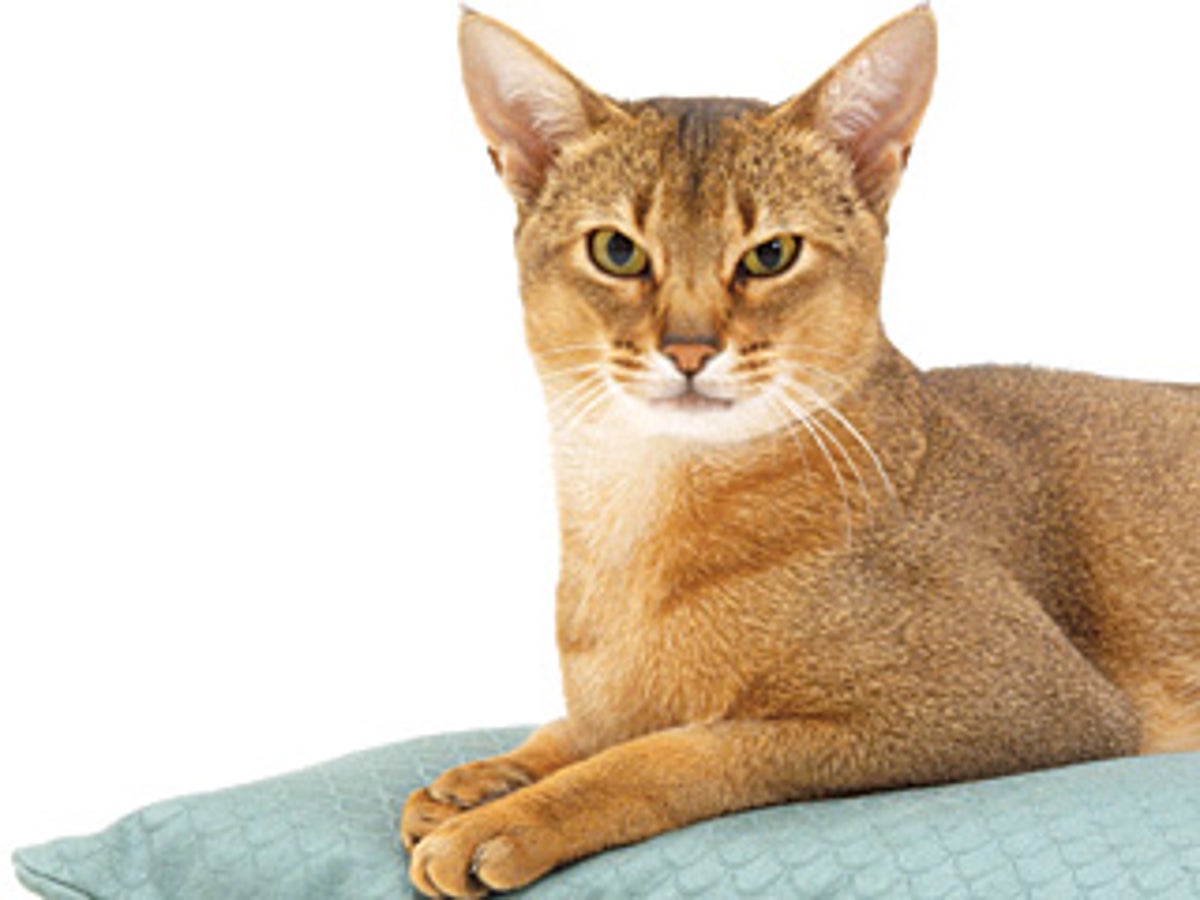
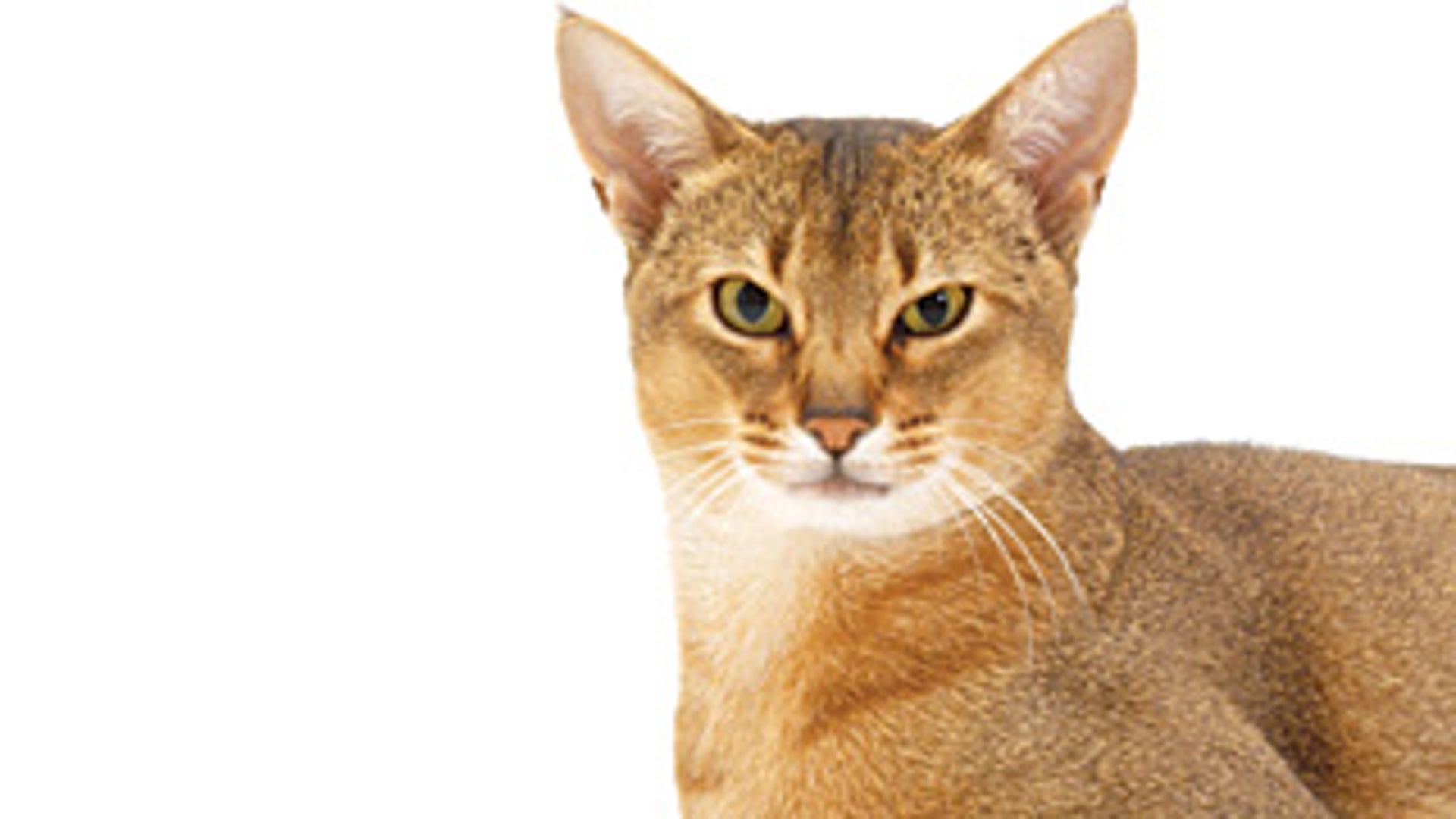
Many modern cat breeds trace back to ancient ancestors. Breeds like the Egyptian Mau show patterns from early Egypt. The Siamese cat holds features from Southeast Asia long ago. These breeds keep the look and spirit of their past.
Breeding helped preserve special traits over thousands of years. Some cats kept wild instincts. Others gained more gentle, social behavior. These traits suit different homes and lifestyles today.
Cultural Impact On Cat Breeding
Different cultures shaped cat breeding in unique ways. Ancient Egyptians worshiped cats, influencing their careful breeding. In Japan, cats were loved for good luck and kept in homes. Each culture’s values changed which traits they prized most.
Cats became symbols of luck, protection, and beauty. These meanings guided breeders to keep certain qualities alive. Cultural stories and art still show the special role cats played. This cultural impact links the past to today’s cat lovers.
Credit: www.scientificamerican.com
Frequently Asked Questions
When Did Cat Breeding First Begin?
Cat breeding began around 4,000 years ago in ancient Egypt. Egyptians selectively bred cats for traits like temperament and appearance. This early breeding laid the foundation for various domestic cat breeds known today.
Why Did Ancient Egyptians Breed Cats?
Ancient Egyptians bred cats for hunting and companionship. Cats protected grain stores from rodents and were also revered as sacred animals. Their breeding focused on traits like agility and friendliness.
How Has Cat Breeding Evolved Over Time?
Cat breeding has evolved from practical purposes to aesthetic goals. Modern breeders focus on specific traits such as coat color, pattern, and temperament. This has created diverse breeds suited for homes and shows.
What Are The Oldest Known Cat Breeds?
Some of the oldest cat breeds include the Egyptian Mau, Siamese, and Persian. These breeds have ancient origins and were selectively bred for distinct features and behaviors. They represent the roots of cat breeding history.
Conclusion
Cat breeding began thousands of years ago with early humans. People liked cats for hunting and companionship. Over time, they chose cats with special traits. This led to many different breeds we see today. Each breed has its own unique story.
Understanding cat breeding helps us appreciate cats more. It shows how humans and cats have grown together. The history of cat breeding is both old and fascinating. It reminds us of the bond between people and animals. Cats continue to be beloved pets worldwide.