
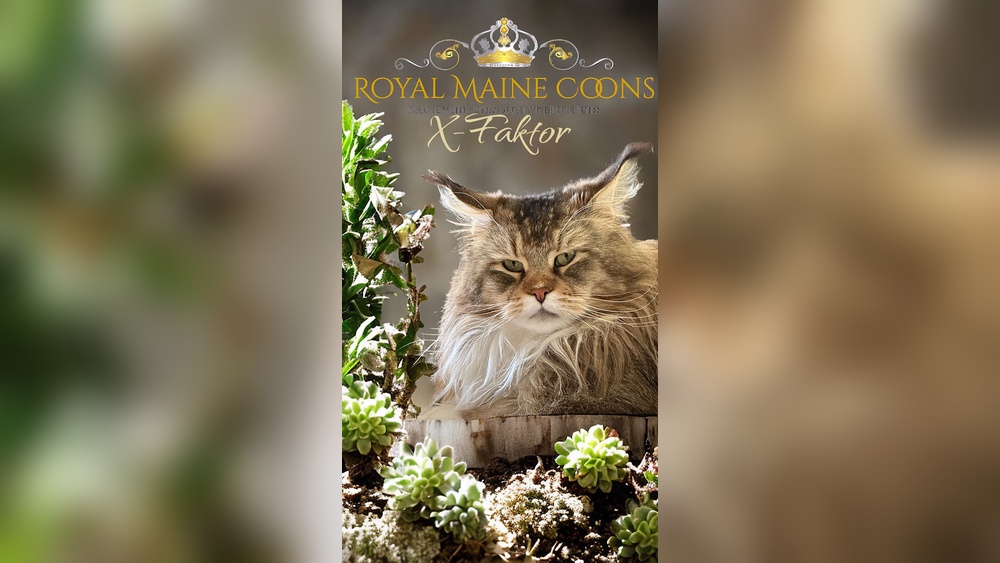
Have you ever wondered what happens to breeder cats when they retire? These cats spend years bringing new life into the world, but their story doesn’t end there.
You might be surprised to learn about the different paths their lives can take once they stop breeding. Whether you’re a cat lover, a breeder, or just curious, understanding their fate can change how you see these special animals. Keep reading to discover the truth about retired breeder cats and why their well-being matters more than you might think.

Credit: www.youtube.com
Life Cycle Of Breeder Cats
The life cycle of breeder cats follows a clear path from early breeding to retirement. Each phase has unique needs and challenges. Understanding this cycle helps owners care better for these cats throughout their lives.
Early Breeding Years
Breeder cats usually start breeding around one year old. At this age, they are healthy and full of energy. Breeders focus on training and socializing cats during these years. Proper care ensures they grow strong and ready for pregnancy. This phase sets the foundation for successful breeding.
Peak Breeding Period
The peak breeding period lasts from about two to five years. Cats are most fertile and productive during this time. Breeders often have several litters within a year. Regular health checks and good nutrition are vital here. This stage demands the most attention and care for the cats.
Signs Of Retirement
Retirement usually starts around six years of age. Cats slow down and may have fewer litters. Health problems can appear more often. Signs include reduced interest in mating and less energy. At this point, breeders often stop breeding these cats to protect their well-being.

Credit: www.reddit.com
Common Retirement Paths
Breeder cats have a special role in producing healthy litters. But their breeding days do not last forever. As they grow older, they retire from breeding duties. Their retirement paths vary based on health, temperament, and breeder choices. Understanding these paths helps ensure these cats live happy, comfortable lives after breeding.
Adoption Into Loving Homes
Many retired breeder cats find new homes. Families adopt them as pets. These cats enjoy a calm, relaxed life. They receive love, care, and attention. Adoption helps retired cats avoid shelter stays. It gives them a second chance at happiness.
Sanctuary And Rescue Options
Some retired cats move to sanctuaries or rescues. These places offer safe spaces for older cats. Staff provide medical care and socialization. Cats live with others and get proper nutrition. Sanctuaries focus on comfort and quality of life.
Remaining With Breeders
Sometimes, breeders keep retired cats at home. They become pets or companions for other cats. Breeders may provide lifelong care and love. These cats retire from breeding but stay in familiar surroundings. Staying with breeders ensures their needs are met.
Health Challenges Faced
Breeder cats face several health challenges after retirement. Years of breeding can take a toll on their bodies. These cats need special care to stay healthy and happy.
Long-term Effects Of Breeding
Breeding strains a cat’s body. It can cause joint problems and arthritis. Some cats develop chronic infections or weakened immune systems. Repeated pregnancies also affect their organs. These health issues may worsen with age.
Medical Care Needs
Retired breeder cats require regular veterinary visits. They often need treatments for arthritis or dental disease. Vaccinations and parasite control remain important. Some cats may need special diets to manage weight or kidney health. Early detection of problems helps improve their quality of life.
Emotional Wellbeing
Breeder cats can feel stress or anxiety after retirement. They may miss interaction with kittens or routine. A calm, loving environment helps them adjust. Providing toys and gentle play can improve their mood. Patience and care support their emotional health.
Ethical Breeding Practices
Ethical breeding practices protect the health and well-being of cats. They ensure breeder cats live happy lives, even after retirement. Responsible breeders plan ahead to care for cats beyond their breeding years. These actions show respect and kindness to the animals that give so much.
Planning For Retirement
Good breeders create a retirement plan early. They arrange homes for cats when breeding stops. Some cats stay with the breeder as pets. Others go to trusted families who can care well. Planning avoids abandonment or neglect of retired cats.
Breeder Responsibilities
Breeders must care for cats throughout their lives. This includes health checks, good food, and safe homes. Retired cats need love and comfort, just like young cats. Ethical breeders do not sell or give away cats carelessly. They ensure cats get proper care after breeding ends.
Industry Regulations
Some countries have rules for cat breeding and retirement. These laws protect cats from poor treatment. Breeders follow these rules to keep cats safe and healthy. Regulations may require health tests and retirement plans. Ethical breeders respect these laws and put cats first.
Stories From Retired Breeder Cats
Stories from retired breeder cats tell us about their new lives. These cats often face many changes after leaving breeding homes. Some find loving families, while others face challenges. Their stories help us understand what happens next.
Happy Endings
Many retired breeder cats find peaceful homes. They enjoy quiet days and soft beds. Some become playful pets, full of joy. These cats show how love can heal old wounds. Their happiness inspires many cat lovers.
Challenges Overcome
Retired breeder cats often face health issues. Some struggle with anxiety or fear of humans. Recovery takes time, care, and patience. Supportive families and vets help them heal. These cats prove that second chances are possible.
Lessons Learned
Stories of retired breeder cats teach us kindness. They remind us to treat animals with respect. Patience and love help cats adjust and thrive. Each cat’s journey is unique and valuable. Their experiences raise awareness about animal welfare.
Credit: catbreedersensei.com
Frequently Asked Questions
What Happens To Breeder Cats After Retirement?
Retired breeder cats usually stop breeding and focus on enjoying a relaxed life. They often stay with their owners or get adopted by loving families.
Do Retired Breeder Cats Get Special Care?
Yes, retired breeder cats receive more rest, balanced diets, and regular vet checkups to ensure their health and comfort during retirement.
Can Retired Breeder Cats Live As Pets?
Absolutely. Retired breeder cats often transition into affectionate pets, adapting well to home life and forming strong bonds with their new families.
Are Retired Breeder Cats Adopted Or Kept By Breeders?
Many breeders keep retired cats as pets, but some cats are adopted out to responsible families who can provide loving homes.
Conclusion
Retired breeder cats often enjoy a calm and loving life. Many find new homes with caring families. Some stay with their original owners, living quietly. These cats deserve comfort and attention after their work. Proper care helps them stay healthy and happy.
Their retirement is a chance to relax and enjoy. Every retired cat’s story is different but hopeful. Giving them kindness makes a big difference. A peaceful life is the best reward for these cats.