
Are you wondering when your playful kitten will be ready to switch to adult cat food? Knowing the right time to make this change is important for your kitten’s health and growth.
If you feed them adult food too soon or too late, it could affect their energy and development. You’ll discover the signs that show your kitten is ready, and how to make the switch smoothly. Keep reading to learn exactly when and how to transition your kitten to adult cat food with confidence.
Kitten Growth Stages
Kittens grow fast. Their food needs change as they grow. Understanding kitten growth stages helps you feed them right. Proper nutrition supports healthy bones, muscles, and energy. Knowing when to switch to adult cat food is important. Let’s explore the main growth stages and what each needs.
Newborn To Weaning
Newborn kittens rely only on their mother’s milk. They cannot eat solid food yet. This milk provides all nutrients for growth. Around 4 weeks old, kittens start to try soft food. This stage is called weaning. It slowly introduces them to solid food while still nursing.
Weaning To 6 Months
Kittens eat more solid food during this stage. Their bodies need more protein and energy. Kitten food is made to support fast growth. It has extra nutrients and calories. Feeding kitten food helps build strong bones and muscles. Avoid adult cat food now; it lacks needed nutrients.
6 Months To One Year
Growth slows but continues during this period. Kittens become more active and curious. Nutritional needs start to change. Some vets suggest starting adult cat food at 9 to 12 months. Watch your kitten’s size and weight as a guide. Transition slowly to adult food to avoid stomach upset.
Nutritional Needs Of Kittens
Kittens grow fast and need special food to stay healthy. Their bodies require more energy and nutrients than adult cats. Feeding the right diet helps kittens build strong bones, muscles, and a good immune system. Understanding their nutritional needs guides when to switch to adult cat food.
Protein And Fat Requirements
Kittens need more protein than adult cats. Protein helps build muscles and supports growth. Fat provides energy for their active bodies. High-quality protein and fat in kitten food keep them strong and playful. Adult cat food usually has less protein and fat, which may not meet kittens’ needs.
Vitamins And Minerals
Vitamins and minerals support many body functions in kittens. Calcium and phosphorus help develop strong bones and teeth. Vitamins A and E boost the immune system. Balanced nutrients in kitten food ensure healthy development. Adult cat food may lack the right balance for growing kittens.
Hydration Importance
Kittens need plenty of water to stay hydrated and healthy. Wet kitten food contains more moisture than dry adult food. Proper hydration helps digestion and kidney function. Always provide fresh water alongside their meals. Hydration supports overall health and energy levels in kittens.
Signs To Transition
Knowing the right signs to switch your kitten to adult cat food helps their growth. It ensures they get the right nutrients at the right time. Watch for key changes in your kitten’s development. These signs guide you to start the transition safely.
Teeth Development
Kittens begin to grow adult teeth around 3 to 4 months old. Their sharp baby teeth start falling out. New adult teeth look stronger and bigger. This change means they can chew harder food. Solid, adult cat food is easier to eat now.
Eating Solid Food
Kittens start eating solid food between 4 and 6 weeks old. At first, they eat soft, wet food or kitten formula. As they grow, they chew more solid pieces. When your kitten finishes meals without spitting food out, it’s a good sign. Eating solid food well shows they are ready for adult food.
Weight And Size Milestones
Kittens usually weigh about 5 pounds by 9 to 12 months. Their size grows quickly in the first six months. When they reach 80 to 90 percent of their adult weight, switch foods. This milestone means their body needs adult nutrients. Feeding adult food now supports their full growth.
Credit: suncityjakarta.id
Timing For Adult Food Introduction
Introducing adult cat food to your kitten is an important step. The timing affects their health and growth. Starting too early or too late can cause problems. Knowing the right time helps your kitten stay healthy and happy.
This section explains when and how to begin feeding adult food. It covers the best age range, mixing food, and watching your kitten’s digestion.
Recommended Age Range
Kittens usually start eating adult food between 9 and 12 months. Most vets agree this is the best time. Their bodies change, and their nutritional needs shift. Before this age, kittens need special kitten food.
Adult food has different nutrients. It supports mature cats but may lack what kittens need for growth. Feeding adult food too soon can cause nutrition gaps.
Gradual Food Mixing
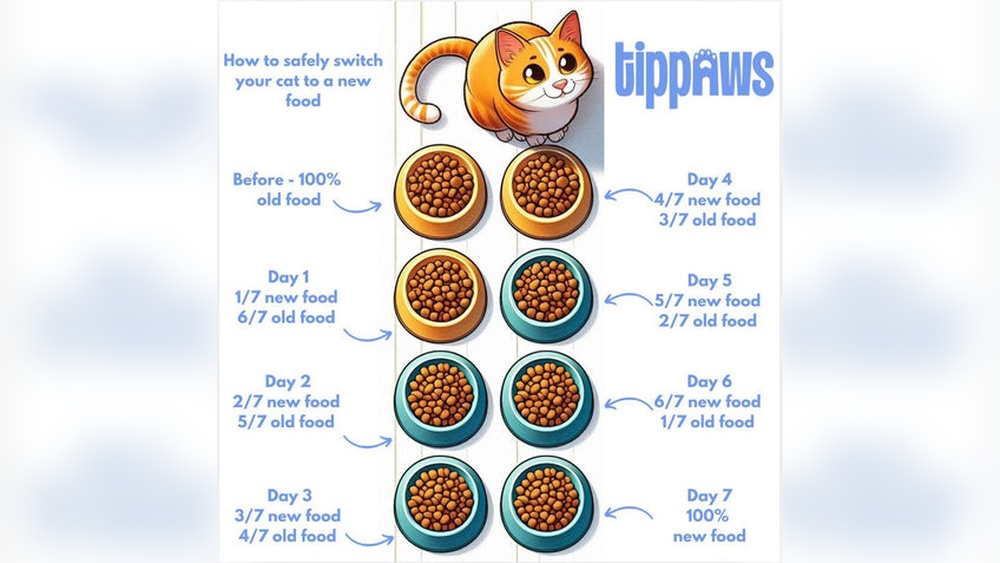
Switching food suddenly can upset a kitten’s stomach. Mixing adult food with kitten food is safer. Start with 25% adult food and 75% kitten food. Gradually increase adult food over 7 to 10 days.
This slow change helps your kitten adjust. It also reduces the risk of digestive problems. Watch how your kitten reacts during this time.
Monitoring Digestive Response
After mixing food, observe your kitten’s digestion closely. Look for changes in stool, appetite, and energy. Soft stools or diarrhea may mean the change is too fast. Your kitten might need more time with kitten food.
Healthy digestion shows the kitten is ready for adult food. Adjust the pace if you see any problems. Patience helps your kitten accept the new diet smoothly.
Choosing The Right Adult Cat Food
Choosing the right adult cat food is important for your kitten’s health. Adult cat food has different nutrients than kitten food. Switching at the right time helps your cat grow strong and stay healthy. It is important to pick food that meets your cat’s needs and tastes good.
Nutrient Composition
Adult cat food has less protein than kitten food. It has the right balance of vitamins and minerals for grown cats. Look for food with enough taurine, an essential amino acid. Avoid foods with too many fillers like corn or wheat. Good food supports your cat’s energy and keeps its coat shiny.
Wet Vs Dry Food
Wet food has more moisture and helps keep cats hydrated. It is softer and easier to eat for some cats. Dry food is good for teeth and lasts longer. Both have benefits, so many owners offer a mix. Choose based on your cat’s preference and health needs.
Special Dietary Needs
Some cats need special diets for allergies or health problems. Talk to your vet if your cat has issues like kidney disease or obesity. There are foods made for sensitive stomachs or weight control. Feeding the right diet helps your cat feel better and live longer.

Credit: scrumbles.co.uk
Common Mistakes To Avoid
Transitioning kittens to adult cat food is important. Mistakes during this stage can cause health problems. Knowing common errors helps you avoid issues. Here are the main mistakes to watch for when changing your kitten’s diet.
Too Early Transition
Switching to adult cat food too soon can harm your kitten. Kittens need extra nutrients for growth. Adult food lacks these essential nutrients. Wait until your kitten is about one year old. This timing supports healthy development and strong bones.
Sudden Food Changes
Changing food suddenly upsets your kitten’s stomach. It can cause vomiting or diarrhea. Introduce new food gradually over 7 to 10 days. Mix increasing amounts of adult food with kitten food. This helps your kitten adjust without problems.
Ignoring Kitten’s Preferences
Some kittens prefer certain flavors or textures. Forcing them to eat food they dislike causes stress. Pay attention to your kitten’s reactions to new food. Choose adult cat food that matches their taste and texture preferences. This encourages better eating habits.
Tips For A Smooth Transition
Switching a kitten to adult cat food needs care and patience. A smooth change helps your kitten accept new food easily. It also supports healthy growth and digestion. Use these tips to make the move simple and stress-free for your pet.
Slow Introduction Strategy
Start by mixing a small amount of adult food with kitten food. Gradually increase the adult food over 7 to 10 days. This helps your kitten adjust to new tastes and textures. Avoid sudden changes to prevent stomach upset. Keep the feeding times consistent to build a routine.
Encouraging Eating Habits
Offer fresh food in a quiet and calm place. Use shallow dishes to make eating easier. Try warming the food slightly to release aromas. Praise your kitten when it tries the new food. Avoid feeding too many treats to keep appetite strong.
Regular Vet Checkups
Visit the vet during the transition phase. The vet checks your kitten’s health and weight. They can advise if the new food meets nutritional needs. Report any signs of allergies or stomach problems. Regular checks ensure your kitten grows healthy and happy.
Credit: www.pd.com.au
Frequently Asked Questions
When Do Kittens Start Eating Adult Cat Food?
Kittens usually start eating adult cat food at 9 to 12 months old. Transition gradually by mixing kitten and adult food over two weeks to avoid digestive issues.
Can Kittens Eat Adult Cat Food Early?
Kittens should not eat adult cat food before 9 months. Adult food lacks essential nutrients kittens need for growth and development, like higher protein and fat levels.
How To Transition Kittens To Adult Cat Food?
Introduce adult food slowly by mixing it with kitten food. Increase adult food ratio over 7-14 days to help kittens adjust without stomach upset.
Why Switch Kittens To Adult Cat Food?
Switching to adult cat food supports maintenance needs instead of growth. Adult formulas have balanced nutrients to keep cats healthy after kittenhood.
Conclusion
Kittens start eating adult cat food around 9 to 12 months. This change helps them get the right nutrients for growth. Watch your kitten’s weight and health during this time. Gradually mix adult food with kitten food to avoid stomach upset.
Always provide fresh water for your growing cat. Consult a vet if you are unsure about the switch. Feeding the right food supports a happy, healthy cat for years. Small steps make the transition smooth and easy. Your kitten will thank you with a lively, strong life.