
You want the best for your cat, especially when it comes to their health and diet. But how do you know when it’s the right time to switch your cat to adult food?
Feeding your cat the right food at the right age can make a big difference in their energy, growth, and overall well-being. If you’re unsure about when and how to make this important change, keep reading. This guide will help you understand the signs to look for and the best way to make the switch smoothly, so your furry friend stays happy and healthy.
Cat Food Life Stages
Cats need different types of food as they grow. Their bodies change, so their diet must change too. Cat food life stages help guide you on what to feed your cat. Feeding the right food at the right time keeps your cat healthy and strong.
Choosing food that fits your cat’s age supports their growth and well-being. Each stage has unique needs. Understanding these stages helps you make better choices for your cat’s health.
Kitten Food Benefits
Kitten food has more calories than adult food. It helps kittens grow fast and build strong bones. This food has extra protein to support muscle development. Vitamins and minerals in kitten food boost the immune system. Kittens need food that is easy to digest. Kitten food supports energy for their playful and active days.
Adult Food Features
Adult cat food has balanced nutrients for maintenance. It contains less fat than kitten food to prevent weight gain. Protein levels support muscle health without overloading the body. This food helps keep teeth and skin healthy. Adult food focuses on steady energy to keep cats active. It supports a healthy metabolism and overall wellness.
Senior Food Needs
Senior cat food has fewer calories to avoid obesity. It includes ingredients that support joint health. Older cats need more fiber for good digestion. Senior food often has added antioxidants for immune support. It is softer and easier to chew. This food helps maintain vitality in aging cats.

Credit: www.vetsupply.com.au
Signs Your Cat Is Ready
Knowing when to switch your cat to adult food is important. Cats grow fast and need different nutrients at each stage. Watch for signs that show your cat is ready for a diet change. These signs help keep your cat healthy and happy.
Age Milestones
Kittens usually start eating solid food at about 4 weeks old. By 12 months, most cats reach full size. At this point, they need adult food to support their health. Some cats may switch a little earlier or later. Age is a clear guide to start the change.
Behavior Changes
Your cat may eat more or less than before. They might become less playful and more calm. Kittens often lose interest in kitten food as they grow. Watch how your cat acts around meal times. These behavior changes show readiness for adult food.
Weight And Growth
Check if your cat’s weight is steady or still rising quickly. Rapid growth means kitten food is still best. When growth slows, adult food fits better. A healthy weight means your cat is ready to switch. Use a scale or visit the vet for help.
Timing The Switch
Knowing the right time to switch your cat from kitten food to adult food is important. The timing affects your cat’s health and growth. A smooth change helps avoid stomach problems and keeps your cat happy.
Ideal Age Range
Most cats switch to adult food between 9 and 12 months old. This is when they finish growing fast. Some cats may need adult food a little earlier or later. Check your cat’s size, weight, and energy to decide.
Gradual Transition Steps
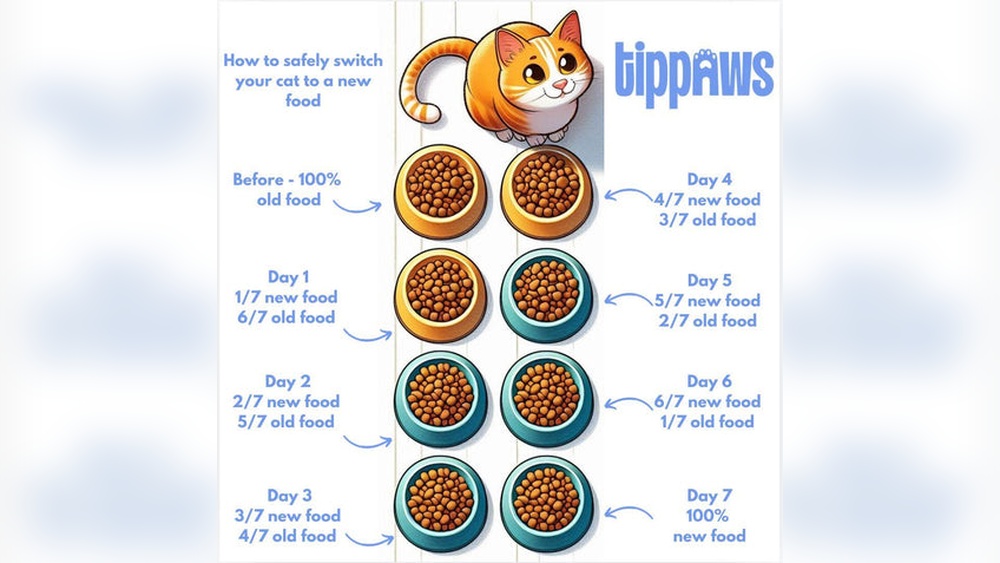
Start mixing a small amount of adult food with kitten food. Do this for about 7 to 10 days. Slowly increase the adult food portion each day. This helps your cat get used to the new taste and texture.
Avoiding Digestive Issues
Switching too fast can cause vomiting or diarrhea. Watch your cat’s stool and appetite during the change. If your cat shows signs of upset, slow down the transition. Keeping the change gradual helps protect your cat’s digestion.

Credit: www.iams.com
Choosing The Right Adult Food
Choosing the right adult food for your cat is important for their health. Cats need different nutrients as they grow older. Picking the best food helps them stay strong and active. This section explains what to consider when selecting adult cat food.
Nutritional Requirements
Adult cats need protein to keep their muscles healthy. Fat is also important for energy. Look for food with balanced vitamins and minerals. These support their immune system and overall health. Avoid foods with too many fillers like corn or wheat.
Wet Vs Dry Food
Wet food has more moisture, which helps cats stay hydrated. It is soft and easy to chew. Dry food helps keep teeth clean and lasts longer. Some cats prefer one over the other. You can also mix wet and dry food for variety.
Special Dietary Needs
Some cats have allergies or health problems. These cats need special diets made for their condition. Talk to your vet about foods for weight control or sensitive stomachs. Special diets can improve your cat’s quality of life.
Monitoring After Switching
Switching your cat to adult food is an important step in their growth. After the switch, close monitoring helps ensure your cat adjusts well. Watch for changes in behavior and health. Small signs tell a big story.
Appetite And Energy Levels
Track your cat’s eating habits daily. A healthy appetite shows they like the new food. Less interest or refusal may need attention. Energy levels also reveal how well they adapt. Active play and normal rest are good signs.
Coat And Skin Health
Check your cat’s fur and skin often. A shiny coat means the food suits them well. Dry or dull fur can signal a problem. Look for redness or itching on the skin. These signs may need a diet review.
Regular Vet Checkups
Schedule visits to your vet after the food change. Vets can spot hidden health issues early. They assess weight, digestion, and overall condition. Regular checkups keep your cat safe and healthy.

Credit: vcahospitals.com
Frequently Asked Questions
When Should I Switch My Kitten To Adult Cat Food?
You should switch your kitten to adult cat food around 12 months old. This timing supports their changing nutritional needs as they mature.
What Are Signs My Cat Needs Adult Food Now?
Signs include slower growth, reduced energy, and a plateau in weight. These indicate your cat is ready for adult food.
Can I Switch Cat Food Gradually Or Immediately?
Switch food gradually over 7-10 days. Mixing old and new food helps avoid digestive upset.
Why Is Adult Cat Food Better For Mature Cats?
Adult cat food has balanced nutrients for maintenance. It supports health without excess calories meant for growing kittens.
Conclusion
Switching your cat to adult food takes careful timing. Usually, cats change diets around one year old. Watch for growth signs and energy levels. Gradually mix adult food with kitten food. This helps your cat adjust smoothly. Good nutrition supports your cat’s health and happiness.
Always choose food that fits your cat’s needs. Keep an eye on their weight and coat. Regular vet visits can guide you too. Feeding the right food helps your cat live a long, healthy life. Simple steps make a big difference for your furry friend.