
You want the best for your kitten, and that includes feeding them the right food at the right time. But how do you know when to switch from kitten food to adult cat food?
Making this change too early or too late can affect your cat’s health and energy. You’ll discover the key signs and perfect timing for the transition. Keep reading to ensure your furry friend stays happy, healthy, and strong every step of the way.

Credit: www.vetsupply.com.au
Signs Kitten Is Ready
Knowing the right time to switch your kitten to adult cat food is important for their health. Kittens grow fast and need food that matches their stage. Watch for clear signs that your kitten is ready for this change. These signs help you make the best choice for their diet.
Age Milestones
Kittens usually start eating solid food at about four weeks old. By six months, most kittens can eat adult cat food. Many vets suggest switching between nine and twelve months. This range fits most cats’ growth patterns well.
Behavioral Changes
Notice when your kitten’s eating habits change. They may eat less often but more at once. Playtime might slow down a little. Your kitten may show less need for energy-rich food. These behaviors hint they need adult food now.
Physical Growth Indicators
Watch your kitten’s body closely. Their baby teeth fall out around six months. Adult teeth come in by seven months. Their body size will look less like a baby cat. Stronger muscles and less roundness signal readiness for adult food.
Credit: www.catster.com
Choosing The Right Food
Choosing the right food for your growing cat is important. It helps your cat stay healthy and strong. Transitioning from kitten food to adult cat food requires care. The food must meet your cat’s changing needs. Understanding the options and ingredients helps you make the best choice.
Nutritional Needs
Kittens need more protein and calories than adult cats. Their food supports growth and energy. Adult cats need balanced nutrients for maintenance. Protein remains important but in smaller amounts. Look for food that fits your cat’s age and activity.
Wet Vs Dry Food
Wet food contains more moisture, helping keep cats hydrated. It tends to be easier to chew for some cats. Dry food is convenient and helps keep teeth clean. Both types can be healthy if chosen well. Consider your cat’s preference and health needs.
Quality Ingredients
High-quality ingredients support your cat’s health. Look for real meat as the first ingredient. Avoid foods with fillers like corn or wheat. Natural ingredients provide better nutrition and digestion. Quality food helps your cat live a longer life.
Transitioning Process
Transitioning a kitten to adult cat food is an important step in their growth. It helps meet their changing nutritional needs. The process should be slow and gentle. This avoids stomach upset and keeps your cat happy. Follow simple steps for a smooth change.
Gradual Mixing Technique
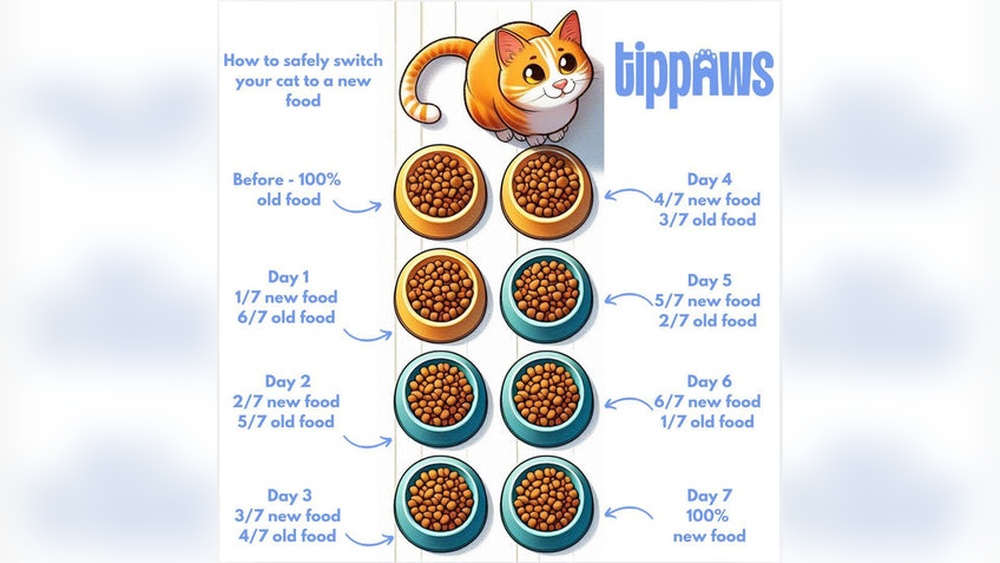
Start by mixing 25% adult food with 75% kitten food. Feed this mix for three days. Then, change to 50% adult and 50% kitten food. After another three days, shift to 75% adult and 25% kitten food. Finally, serve only adult cat food. This slow change helps your cat adjust easily.
Monitoring Appetite
Watch how your cat eats during the transition. A good appetite means the change is going well. If your cat refuses food or vomits, slow the process. Give the current mix more days before increasing adult food. Keep an eye on energy levels too. Healthy cats stay active and playful.
Adjusting Feeding Schedule
Kittens eat small meals often. Adult cats eat fewer meals with larger portions. Gradually change feeding times and amounts. Shift from four or five meals to two or three daily meals. This helps your cat’s digestion and fits adult eating patterns. Consistency is key for a smooth switch.
Common Challenges
Changing your kitten’s food to adult cat food can bring some challenges. Many cat owners face issues during this transition. Understanding these common problems helps you handle them better. Watch for signs that your kitten may not like or react well to the new food. Patience and care make the change smoother for your pet.
Picky Eating
Kittens may refuse adult cat food at first. They get used to the taste and texture of their old food. Some kittens are very particular about what they eat. You might need to mix old and new food gradually. Try warming the food slightly to enhance the smell. Small steps encourage your kitten to accept the new diet.
Digestive Issues
Switching foods can upset your kitten’s stomach. Diarrhea, vomiting, or constipation may occur. These happen because the digestive system adjusts to new ingredients. Change the food slowly over a week or two. Watch your kitten’s bathroom habits closely. If problems last more than a few days, consult a vet.
Allergic Reactions
Some kittens react to new food ingredients. Allergies can cause itching, redness, or swelling. You might see hair loss or skin sores. Food allergies need quick attention to avoid discomfort. Choose hypoallergenic or limited-ingredient foods if needed. Always check with your vet before trying new foods for allergies.
Veterinary Advice
Veterinary advice plays a key role in deciding when to switch your kitten to adult cat food. Vets watch your cat’s health closely. They help make the transition smooth and safe. Their guidance ensures your cat gets the right nutrients at every stage.
Every cat grows at a different speed. Vets can spot signs that show your kitten is ready for adult food. Their knowledge helps avoid feeding mistakes. Trusting their advice supports your cat’s long-term health.
Regular Checkups
Regular checkups allow vets to track your cat’s growth. They check weight, teeth, and overall condition. These visits help decide the best time for food changes. Vets can also catch health issues early. Staying up-to-date with visits keeps your cat healthy.
Tailored Diet Plans
Vets create diet plans made just for your cat. They consider age, weight, and health problems. A tailored plan helps your cat get all needed nutrients. It prevents feeding too much or too little. Personalized diets improve your cat’s energy and coat condition.
Supplements And Additives
Sometimes vets suggest supplements during the transition. These may include vitamins or minerals. Supplements support growth and immunity. Additives can help with digestion or joint health. Follow your vet’s advice to keep your cat balanced and strong.

Credit: www.petscare.com
Maintaining Healthy Growth
Maintaining healthy growth is key when switching your kitten to adult cat food. Growth depends on good nutrition, water, and activity. Proper care helps your cat stay strong and happy.
Changing food too early or too late can affect your cat’s development. Focus on balanced meals, enough fluids, and exercise. These factors support healthy bones, muscles, and energy levels.
Balanced Diet Tips
Choose food with the right nutrients for adult cats. Protein and fat must be enough but not too high. Avoid foods with too many fillers or artificial ingredients.
Feed small portions several times a day. Watch your cat’s weight and body condition. Adjust food amount if your cat gains or loses too much weight.
Hydration Importance
Water keeps your cat’s body working well. Always have fresh water available. Wet food can help increase fluid intake.
Check for signs of dehydration like dry gums or less energy. Proper hydration supports digestion and kidney health.
Exercise And Activity
Active cats build strong muscles and stay fit. Play with toys and encourage movement daily. Short play sessions work better than long ones.
Exercise also helps control weight and reduces stress. A healthy cat feels happier and lives longer.
Frequently Asked Questions
When Is The Right Age To Switch Kitten Food?
Most kittens should transition to adult cat food between 9 to 12 months. This timing supports their growth and nutritional needs. Consult your vet for personalized advice based on your cat’s breed and health.
How To Know If Kitten Needs Adult Food?
Signs include slowed growth, reduced energy, and less need for high-calorie nutrition. Adult food suits less active cats. Always observe your cat’s behavior and weight during this change.
Can I Mix Kitten And Adult Cat Food?
Yes, gradually mixing kitten and adult food over 7-10 days helps ease the transition. This reduces digestive upset and helps your cat adapt to new flavors and nutrients smoothly.
Why Switch From Kitten To Adult Cat Food?
Adult food has balanced nutrients for maintenance, not rapid growth. It prevents obesity and supports your cat’s long-term health. Feeding kitten food too long can cause excess calorie intake and weight gain.
Conclusion
Transitioning your kitten to adult cat food takes time and care. Watch your cat’s growth and energy levels closely. Most cats switch foods around one year old. Gradually mix adult food with kitten food over weeks. This helps avoid stomach upset and picky eating.
Healthy food supports strong bones and a shiny coat. Always provide fresh water alongside meals. Consult your vet if unsure about the best timing. Feeding right keeps your cat happy and healthy for years. Small changes make a big difference in your cat’s life.