
Are you worried that your love for cats might trigger your allergies? You’re not alone.
Many people struggle with sneezing, itchy eyes, and other allergy symptoms but still want a furry friend at home. The good news is, some cat breeds are better suited for allergy sufferers like you. Imagine enjoying the warmth and companionship of a cat without constantly battling allergic reactions.
You’ll discover which cat breeds are kinder to your allergies and why they might be the perfect match for your lifestyle. Keep reading to find the best feline friend for your health and happiness.
Credit: www.petmd.com
Allergies And Cats
Cats bring joy to many homes. Yet, for some, they cause sneezing, itching, or watery eyes. These reactions often come from allergies. Understanding allergies and cats helps find the best pet match for sensitive individuals.
Common Cat Allergens
Allergens are substances that trigger allergic reactions. In cats, the main allergen is a protein called Fel d 1. This protein is in cat saliva, skin flakes, and urine. When cats groom, they spread this protein on their fur. Dried skin flakes, also called dander, float in the air and cause allergies.
How Allergies Develop
Allergies start when the immune system reacts to harmless proteins. The body sees the allergen as a threat. It creates antibodies to fight it. On next contact, the immune system releases chemicals like histamine. These chemicals cause allergy symptoms. Allergies can develop at any age, even after years with cats.
Symptoms Of Cat Allergies
Symptoms vary from mild to severe. Common signs include sneezing, runny nose, and itchy eyes. Some people get skin rashes or hives. Others may have coughing or wheezing. In severe cases, breathing problems can occur. Recognizing symptoms early helps manage allergies better.
Traits Of Hypoallergenic Cats
Hypoallergenic cats have special traits that make them easier for allergy sufferers. These traits help reduce allergic reactions and make living with cats more comfortable. Understanding these traits helps in choosing the right cat breed for allergies.
Low Shedding Characteristics
Cats that shed less fur spread fewer allergens around the home. Fur carries proteins that trigger allergies. Low shedding cats lose less hair daily. This means fewer allergens stick to furniture and clothes. Regular grooming also helps keep shedding minimal.
Reduced Allergen Production
Some cats produce less of the Fel d 1 protein. This protein causes most cat allergies. Breeds with lower Fel d 1 levels are better for people with allergies. These cats still produce allergens but in smaller amounts. Choosing these breeds can reduce allergy symptoms.
Behavioral Factors
Calm cats often groom less, spreading fewer allergens. Active cats may release more allergens through saliva and skin oils. Cats that spend more time outdoors bring fewer allergens inside. Understanding a cat’s behavior helps manage allergies better.
Top Hypoallergenic Cat Breeds
Allergies can make living with cats hard for some people. Certain cat breeds cause fewer allergy problems. These breeds produce less of the allergen proteins that trigger reactions. They also shed less fur and dander. This helps keep homes cleaner and allergies milder. Here are some top hypoallergenic cat breeds to consider.
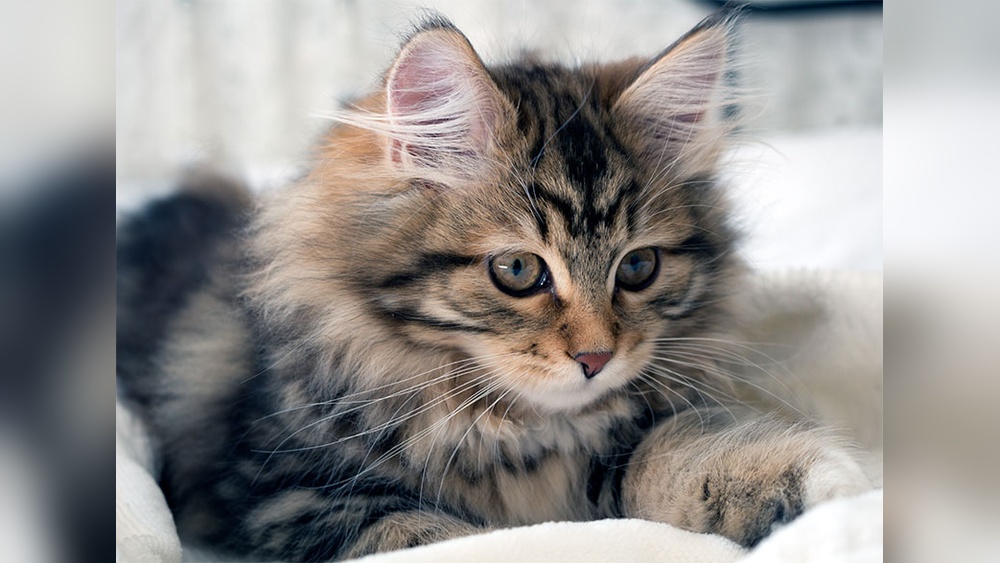
Siberian Cats
Siberian cats have thick, long fur but are still good for allergy sufferers. They produce lower levels of the Fel d 1 protein. This protein often causes allergies. Their fur traps allergens, reducing spread around the house. Siberians are friendly, playful, and make great pets.
Balinese Cats
Balinese cats have silky, medium-length hair that sheds less. They produce less allergen protein than many other cats. Their calm and gentle nature suits families well. Balinese cats enjoy being close to their owners. They are smart and easy to train.
Bengal Cats
Bengal cats have short, dense coats that shed very little. Their fur is soft and feels like velvet. Bengals produce fewer allergens and are active and fun pets. They love to play and explore. Bengals also adapt well to different homes.
Sphynx Cats
Sphynx cats are hairless, which helps reduce allergic reactions. They do produce some allergens in their skin oils, though. Regular bathing helps keep allergens low. Sphynx cats are friendly and enjoy human attention. Their unique look attracts many cat lovers.
Russian Blue Cats
Russian Blue cats have short, dense, double-layered coats. They produce less Fel d 1 protein than many cats. Their fur traps allergens, keeping them from spreading. Russian Blues are quiet, gentle, and loyal companions. They bond closely with their owners.
Devon Rex Cats
Devon Rex cats have soft, wavy fur that sheds very little. Their low shedding lowers allergen spread in the home. They produce fewer allergen proteins than many other breeds. Devon Rex cats are playful, curious, and affectionate. They enjoy being around people.
Choosing The Right Breed
Choosing the right cat breed is important for people with allergies. Some breeds produce fewer allergens, making them easier to live with. Understanding which breeds match your lifestyle helps reduce allergy problems. This section guides you through key points to consider before bringing a cat home.
Lifestyle Considerations
Think about your daily routine and home setup. Some cats need more grooming to keep allergens low. Active breeds may need more playtime and space. Quiet breeds fit better in small apartments. Choose a breed that suits your time and space. This helps keep your allergy symptoms manageable.
Allergy Testing Tips
Test your allergy reaction before choosing a breed. Visit a friend or shelter with the breed you want. Spend time around the cat to see how you react. Consider allergy tests from a doctor for detailed results. Knowing your sensitivity helps pick the best breed for you.
Spending Time With Breeds
Spend time with different cat breeds before deciding. Notice which breeds cause less allergy symptoms. Some breeds have less dander or shed less fur. Try visiting breeders or cat cafes to meet many cats. This hands-on experience helps find a breed that fits your allergies.
Managing Allergies With Cats
Managing allergies with cats takes effort and smart habits. Allergies come from proteins in cat skin, saliva, and urine. These proteins spread in dander, small skin flakes that cats shed daily. Reducing dander in your home helps lower allergy symptoms. Careful cleaning, grooming, and air quality control make living with cats easier for allergy sufferers.
Home Cleaning Strategies
Clean your home often to remove cat dander. Use a vacuum with a HEPA filter. This traps tiny particles better than regular vacuums. Wash cat bedding and blankets weekly in hot water. Dust surfaces with a damp cloth to avoid spreading allergens. Keep floors clean by mopping regularly. Avoid carpets if possible, as they trap dander. Clean curtains and upholstery often.
Grooming Tips
Brush your cat daily to reduce loose fur and dander. Use a brush made for your cat’s fur type. Bathing your cat once a month helps, but not all cats like water. Use pet-safe wipes to clean fur between baths. Wash your hands after touching your cat. Keep your cat’s claws trimmed to reduce scratching and shedding. Grooming reduces allergens on your pet.
Air Quality Improvements
Use air purifiers with HEPA filters in main rooms. They remove airborne dander and allergens. Keep windows open to improve ventilation when weather allows. Avoid smoking or burning candles indoors, as smoke worsens allergies. Maintain moderate humidity; too much moisture can grow mold. Clean or replace HVAC filters regularly. Good air quality lowers allergy triggers in your home.

Credit: homeandroost.co.uk
:max_bytes(150000):strip_icc()/siberian-cat-getty-0420-034c4663ed31433cbda57b0e628adfbc.jpg)
Credit: www.marthastewart.com
Frequently Asked Questions
Which Cat Breeds Are Best For Allergy Sufferers?
Breeds like Siberian, Balinese, and Sphynx produce fewer allergens. These cats often cause fewer allergic reactions in sensitive individuals. Choosing hypoallergenic breeds can help reduce allergy symptoms effectively.
How Do Hypoallergenic Cats Reduce Allergy Symptoms?
Hypoallergenic cats produce less of the allergenic protein Fel d 1. This protein triggers most cat allergies. Lower Fel d 1 means fewer airborne allergens and less irritation for allergy sufferers.
Are Hairless Cats Better For People With Allergies?
Hairless cats like the Sphynx shed less dander, reducing allergens. They require regular baths to remove oils and allergens from their skin. Many allergy sufferers find hairless cats easier to tolerate.
Can Regular Grooming Help With Cat Allergies?
Yes, frequent grooming reduces loose fur and dander in the home. Bathing and brushing cats often help minimize allergens. This practice significantly lowers exposure for allergy-sensitive individuals.
Conclusion
Choosing a cat breed that suits allergies can improve your life. Some breeds produce fewer allergens and cause less sneezing. Breeds like the Siberian, Balinese, and Sphynx often help allergy sufferers. Still, no cat is fully hypoallergenic. Spending time with a cat before adoption helps test allergic reactions.
Regular cleaning and grooming also reduce allergens at home. Patience and care make living with cats easier for allergy sufferers. Enjoy the love and comfort cats bring, even with allergies.