
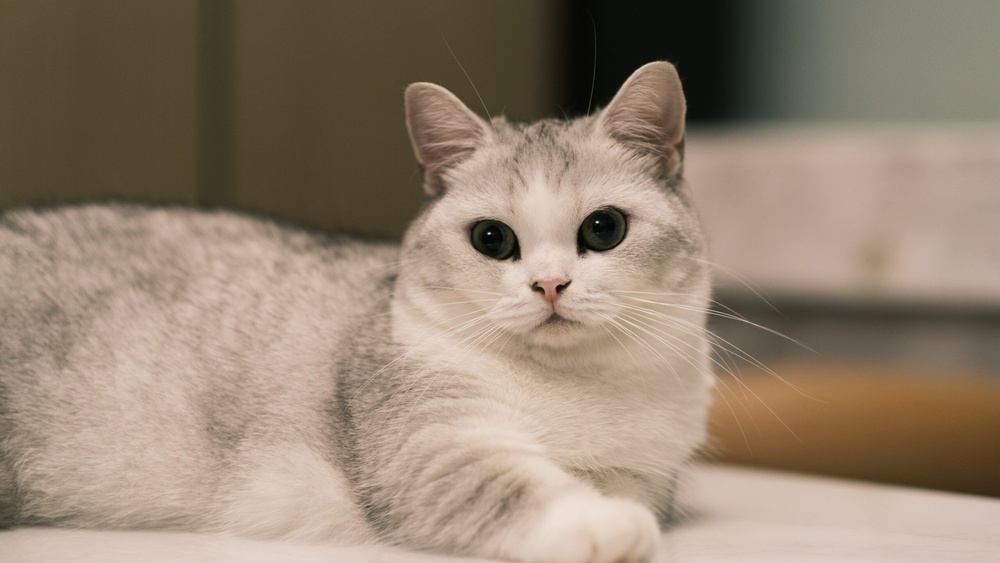
Have you ever wondered why breeding Munchkin cats is such a hot topic? You might be drawn to their adorable short legs and playful nature, but there’s more beneath the surface.
What if your love for these tiny felines is actually causing them harm? Before you decide to bring one home or support breeding, it’s important to understand the serious risks involved. Keep reading to discover the hidden truths that every cat lover needs to know—your choices matter more than you think.
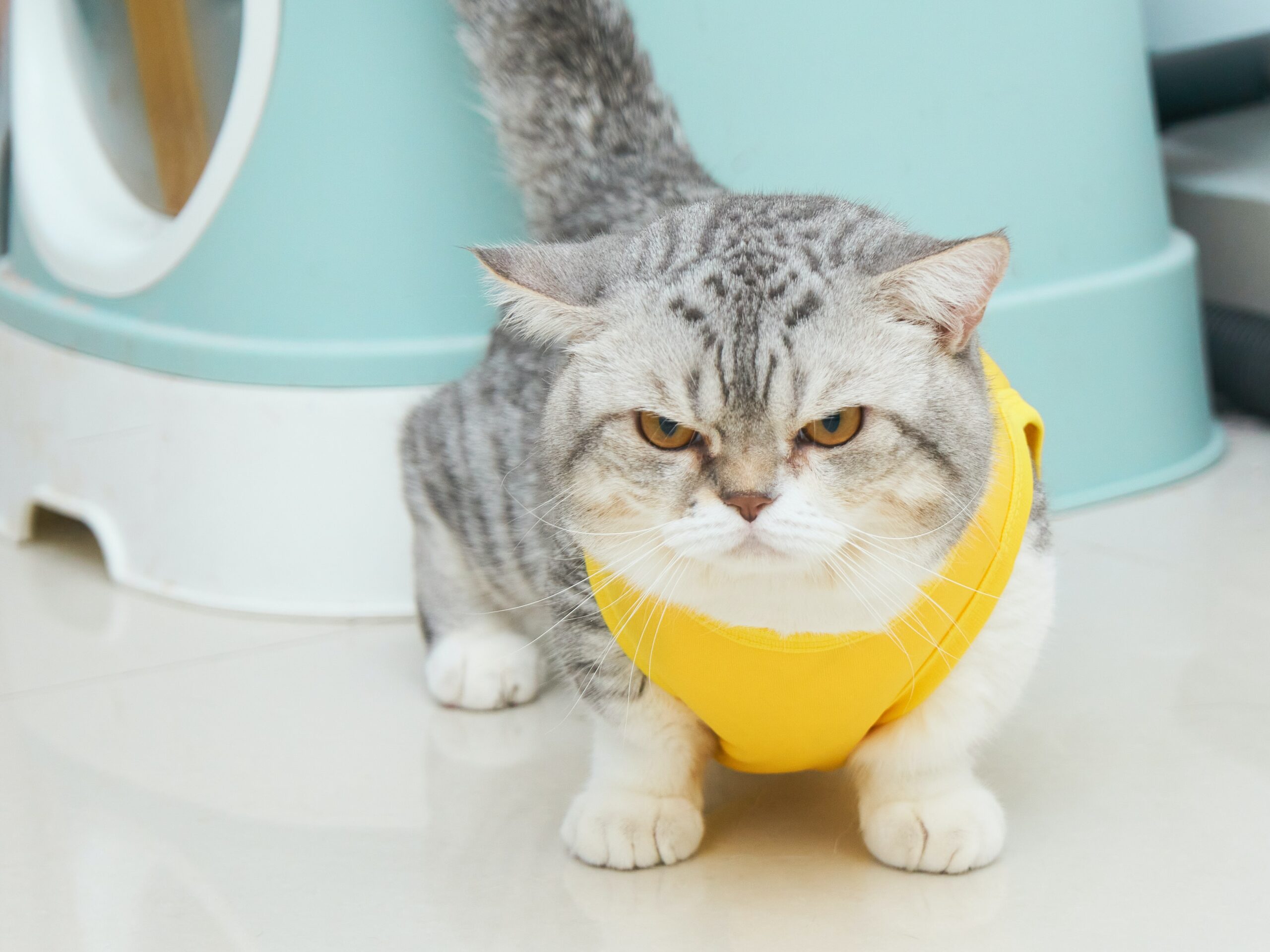
Credit: www.petrebels.com
Munchkin Cat Origins
The Munchkin cat is known for its short legs and playful nature. This unique look comes from a rare genetic mutation. Many people find these cats cute and charming. Yet, the story behind their origin raises serious concerns.
Understanding where Munchkin cats come from helps explain why breeding them is harmful. Their short legs are not a natural trait but a result of a genetic defect. This defect can cause health problems and pain for the cats.
How The Breed Began
The Munchkin breed began in the early 1990s. A cat with short legs was found in Louisiana, USA. Breeders saw potential and started to breed more cats with this trait. They wanted to create a new breed with short legs.
Scientists later learned the short legs come from a gene called achondroplasia. This gene affects bone growth and causes dwarfism. It can lead to joint problems and other health issues. Breeding for this gene risks the wellbeing of the cats.
Popularity Surge
Munchkin cats quickly became popular. Their unusual appearance caught many people’s attention. Social media and pet shows helped spread their fame. Some owners enjoy their playful and friendly character.
More breeders started producing Munchkin cats to meet demand. This rise in popularity increased the number of cats with genetic problems. Many suffer from arthritis and spinal issues. The desire for short-legged cats often overlooks these serious health risks.

Credit: www.ufaw.org.uk
Physical Traits Of Munchkins
Munchkin cats are known for their unique look. Their most striking feature is their very short legs. These short legs make them stand out from other cats. But these traits come with important concerns. Understanding their body shape is key to seeing why breeding them can be harmful.
Their physical traits are not just cute. They affect the cat’s health and life quality. Many people do not know the risks behind these features.
Short Legs Explained
Munchkin cats have a genetic mutation that causes short legs. This condition is called achondroplasia. It affects the bones in their legs, making them shorter than normal. Their bodies stay normal size, but their legs are much smaller.
These short legs limit how far they can jump or run. It changes how they move and play. The mutation is a form of dwarfism, which can cause problems beyond appearance.
Health Impact Of Body Structure
The short legs create stress on their spine and joints. This can lead to arthritis and pain as they age. Some Munchkin cats suffer from spinal problems more often than other cats. This affects their comfort and mobility.
Breeding Munchkin cats spreads the gene for short legs. This increases the chance of health issues in kittens. Some may have serious problems that require veterinary care. The cat’s well-being can be harmed by this breeding practice.
Health Risks Linked To Breeding
Breeding Munchkin cats comes with serious health risks. These risks affect the cats’ quality of life and longevity. Understanding these problems helps to see why breeding Munchkins is harmful.
Common Genetic Disorders
Munchkin cats often inherit genetic disorders. These problems come from breeding cats with short legs. The gene causing short legs can also cause other health issues. Some common disorders include joint problems and bone deformities. These disorders cause pain and discomfort in many Munchkins. Genetic testing is rare, so many kittens suffer without treatment.
Spinal Problems And Mobility Issues
Short legs affect the spine’s shape and function. Munchkin cats face a higher risk of spinal diseases. One such disease is lordosis, which curves the spine abnormally. This condition can lead to nerve damage and paralysis. Mobility problems also arise, making walking and jumping difficult. Munchkins may struggle with balance and coordination. These issues reduce their ability to play and explore. Over time, mobility problems can worsen and cause serious pain.
Ethical Concerns In Breeding
Breeding Munchkin cats raises many ethical questions. These cats have a unique look due to their short legs. But their special body shape can cause pain and health problems. Breeding them often ignores these serious issues. Many breeders focus on looks and sales, not on the cats’ well-being. This section explores the ethical concerns tied to breeding Munchkin cats.
Animal Welfare Considerations
Munchkin cats suffer from genetic problems linked to their short legs. These issues can cause joint pain and arthritis. Some cats have trouble walking or jumping. Their health often worsens as they age. Breeding Munchkins can increase risks of spinal problems too. These health problems reduce the cats’ quality of life. Many do not get the care they need. Breeding practices often overlook these painful conditions.
Breeding Practices And Profit Motives
Many breeders focus on making money from Munchkin cats. They breed quickly to sell more kittens. This rush ignores health tests and ethical breeding. Some breeders hide health issues to keep profits high. Poor breeding practices can cause genetic defects. Breeders often prioritize looks over the cat’s health. This profit-driven approach harms the animals deeply. It encourages breeding without concern for the cats’ future.
Alternatives To Supporting Munchkin Breeding
Choosing not to support Munchkin cat breeding helps stop health problems in these cats. There are better ways to enjoy the charm of Munchkin cats without causing harm. These options also help animals in need and promote kindness in pet ownership.
Adopting From Shelters
Shelters have many cats waiting for homes. Some cats may have short legs or unique traits like Munchkins. Adopting saves lives and reduces the demand for breeders. It gives a loving home to a cat that needs one.
Shelter cats come in all shapes and sizes. They often have less health risk than bred cats with genetic issues. Visit your local shelter to find a cat that fits your family.
Supporting Ethical Breeders
Ethical breeders focus on the health and well-being of cats. They avoid breeding cats with health problems, such as those common in Munchkins. These breeders provide proper care and clean environments for their cats.
Supporting ethical breeders means choosing cats bred with care and respect. This helps reduce health problems and supports responsible pet ownership. Always ask questions about breeding practices before buying a cat.
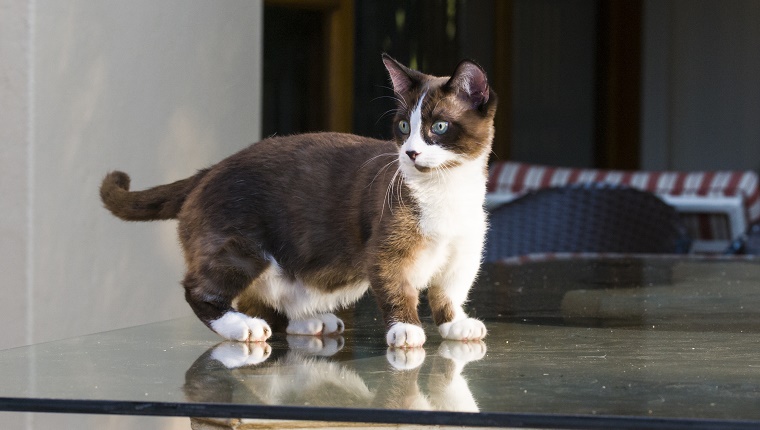
Credit: cattime.com
Legal And Regulatory Aspects
Breeding Munchkin cats raises many legal and regulatory concerns. These laws protect animals from harm and suffering. Understanding these rules helps explain why breeding this cat is problematic. Many places have strict limits on breeding practices. These laws aim to stop cruelty linked to breeding Munchkin cats.
Breed Restrictions Worldwide
Several countries ban or limit Munchkin cat breeding. These laws reflect worries about the cat’s health problems. Short legs cause joint and spine issues. Some nations see breeding Munchkins as unethical. They want to prevent animals from being born with defects. Restrictions vary but often stop breeding or selling these cats.
Animal Protection Laws
Animal protection laws focus on stopping suffering. Breeding Munchkin cats can violate these laws. Many rules require animals to be healthy and free of pain. Breeders must follow strict guidelines. If they ignore these, legal penalties can follow. These laws push breeders to think about animal welfare first.
Frequently Asked Questions
Why Is Breeding Munchkin Cats Considered Harmful?
Breeding Munchkin cats can cause genetic health problems. Their short legs result from a gene mutation that may lead to spinal issues and arthritis. Ethical concerns arise due to potential pain and mobility limitations in these cats.
What Health Issues Do Munchkin Cats Face?
Munchkin cats often suffer from skeletal problems like lordosis and pectus excavatum. These conditions affect their spine and chest, causing pain and movement difficulties. Breeding worsens these risks by passing on harmful genes.
Are There Ethical Concerns In Munchkin Cat Breeding?
Yes, breeding Munchkin cats raises ethical questions. It promotes physical traits that may harm the cat’s quality of life. Many animal welfare groups discourage breeding practices that prioritize appearance over health.
Can Munchkin Cats Live A Healthy Life?
Some Munchkin cats live relatively healthy lives but face higher risks of joint and spine problems. Responsible breeding and proper care can help, but the genetic predisposition remains a concern.
Conclusion
Breeding Munchkin cats causes health problems for the animals. Their short legs can lead to pain and mobility issues. Many suffer from spinal problems and arthritis. Choosing healthy, happy cats helps avoid these risks. Breeders should focus on animal welfare, not appearance.
Caring for cats means putting their needs first. Think about the long-term effects on these pets. Kindness and responsibility matter most in breeding choices. Protecting cats means saying no to harmful breeding practices.