
Have you ever wondered who takes care of feral cats? These wild, untamed felines often seem forgotten, but someone is looking out for them.
If you’ve seen a scruffy cat hiding in your neighborhood or heard about efforts to help stray cats, you might ask: who actually grooms feral cats? Understanding this can change how you see these mysterious animals and even inspire you to help.
Keep reading to discover the surprising truth about who cares for feral cats and how it might affect your community.

Credit: www.reddit.com
Feral Cat Behavior
Feral cats live in the wild and behave differently than pets. Their actions help them survive. Understanding feral cat behavior gives insight into who grooms them. It shows their social life and self-care routines.
Social Structure
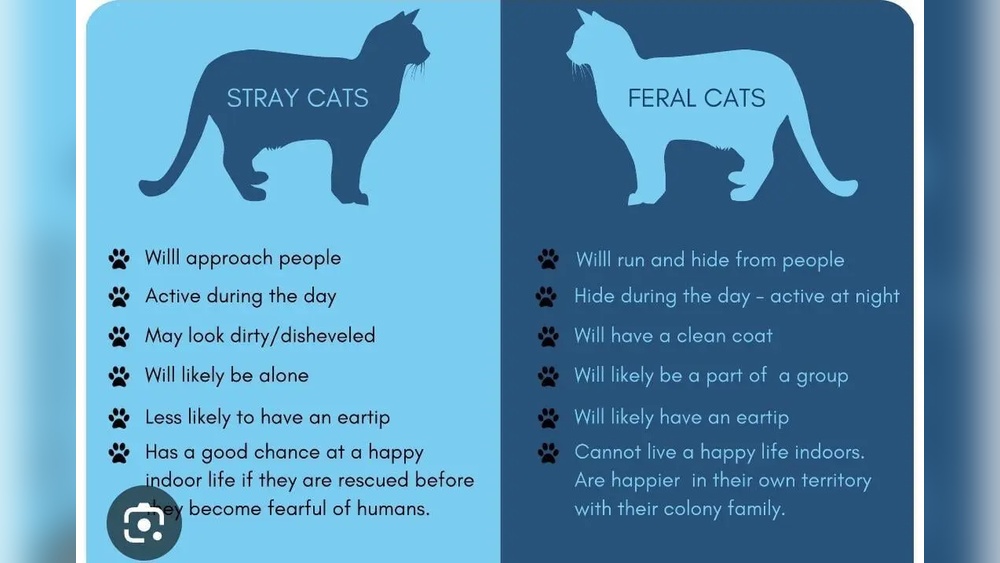
Feral cats often form groups called colonies. These groups share food and shelter. Females usually stay together with their kittens. Males tend to be more solitary or roam between groups. Cats in colonies groom each other to build trust. This grooming helps reduce tension and strengthens bonds.
Self-grooming Habits
Feral cats spend much time cleaning themselves. They lick their fur to remove dirt and parasites. Grooming also cools them down and keeps their coat healthy. Cats use their rough tongues to untangle fur and spread natural oils. This habit is crucial for their health and comfort. Without regular grooming, feral cats risk skin problems and infections.

Credit: www.catsonbroadwayhospital.com
Grooming By Other Cats
Feral cats often groom themselves to stay clean. They also groom each other. This is common in groups of cats that live together. Grooming by other cats helps build trust and friendship. It is a way cats show care and support for each other.
This behavior is more than just cleaning. It helps cats feel safe and calm. Grooming by other cats is an important part of their social life.
Allogrooming Explained
Allogrooming means cats grooming each other. One cat uses its tongue to clean another cat’s fur. This often happens between cats that live in the same area. It helps remove dirt and parasites from places a cat cannot reach.
Allogrooming also spreads scent. This helps cats recognize their group members. It is a silent way to say, “You belong here.”
Benefits Of Mutual Grooming
Mutual grooming builds strong bonds between cats. It lowers stress and helps cats relax. Cats that groom each other usually get along well.
This grooming also helps keep their fur healthy. It removes dead skin and loose hair. Cats feel more comfortable and clean. This makes their lives better in the wild.
Role Of Humans In Grooming
Feral cats live outdoors with little human contact. They groom themselves but face challenges. Dirt, parasites, and injuries affect their fur and health. Humans play a quiet but important role in helping these cats stay clean and healthy.
Though feral cats avoid close human touch, people support their grooming indirectly. This support improves the cats’ overall well-being. It also helps communities keep these cats safer and healthier.
Feeding And Caring Practices
Feeding feral cats regularly helps keep them healthy. Good nutrition improves their coat and skin condition. People often provide fresh water and balanced food. This care reduces stress and boosts natural grooming habits. Clean water also helps cats wash their faces and paws more easily.
Community Cat Care Programs
Community programs help manage feral cat populations. Volunteers trap, neuter, and return cats to their areas. This process lowers fighting and injuries among cats. Healthy cats groom better and look cleaner. Volunteers also check cats for wounds and parasites. Some provide treatments that improve the cats’ comfort and cleanliness.
Grooming Challenges For Feral Cats
Feral cats face many challenges in keeping clean and healthy. Grooming is a natural habit for cats, but feral cats struggle more than house cats. Their environment and health issues often make grooming harder. These challenges can affect their coat, skin, and overall well-being.
Environmental Factors
Feral cats live outside in harsh conditions. Dirt, rain, and cold weather make their fur dirty and matted. They lack safe places to groom properly. Sometimes, they must hide to avoid danger, cutting grooming time short. Their environment also exposes them to parasites like fleas and ticks. These pests irritate the skin and disrupt grooming habits.
Health Implications
Poor grooming can lead to health problems. Matted fur traps dirt and moisture, causing skin infections. Untreated wounds may get worse without proper care. Feral cats often suffer from parasites that harm their skin and coat. They may also have dental issues that make grooming painful. These health problems reduce their ability to stay clean and healthy.
Unexpected Groomers
Feral cats might seem wild and untouchable. Yet, grooming happens in surprising ways. Not only do feral cats groom themselves, but others also help keep them clean. These unexpected groomers play a big role in feral cat communities.
Other Animals Involved
Some animals other than cats help groom feral cats. Dogs that live near feral cats sometimes lick their fur. Birds like crows have been seen picking bugs off feral cats. Even small mammals like rats may nibble on dirt or pests in a cat’s fur. This strange teamwork shows nature’s unexpected friendships.
Unusual Grooming Behaviors
Feral cats use unique ways to groom each other. They may rub heads to spread scent and clean fur. Some cats lick wounds on others to help healing. Grooming also includes biting gently to remove tough dirt or ticks. These acts build trust and keep the group healthy.

Credit: www.reddit.com
Frequently Asked Questions
Who Takes Care Of Feral Cats’ Grooming Needs?
Feral cats groom themselves to maintain cleanliness and health. They use their tongues to clean fur and remove debris naturally.
Do Feral Cats Groom Each Other In Colonies?
Yes, feral cats living in colonies often groom each other. This behavior strengthens social bonds and helps keep the group clean.
How Does Grooming Benefit Feral Cats In The Wild?
Grooming removes dirt, parasites, and loose fur, preventing infections. It also helps regulate body temperature and reduces stress in feral cats.
Can Humans Help Groom Feral Cats Safely?
Humans can help by trapping feral cats for veterinary care. Direct grooming is rare, as feral cats usually avoid human contact.
Conclusion
Feral cats clean themselves and each other to stay healthy. Mothers groom their kittens to teach good habits early. Sometimes, friendly cats help clean feral cats too. Grooming helps stop fleas, dirt, and skin problems. It also builds trust between cats in the wild.
Caring for feral cats means understanding their natural behaviors. Watching who grooms them shows how they live together. This helps people protect and support these animals better. Caring hands and gentle actions make a big difference. Feral cats rely on grooming for comfort and survival.