
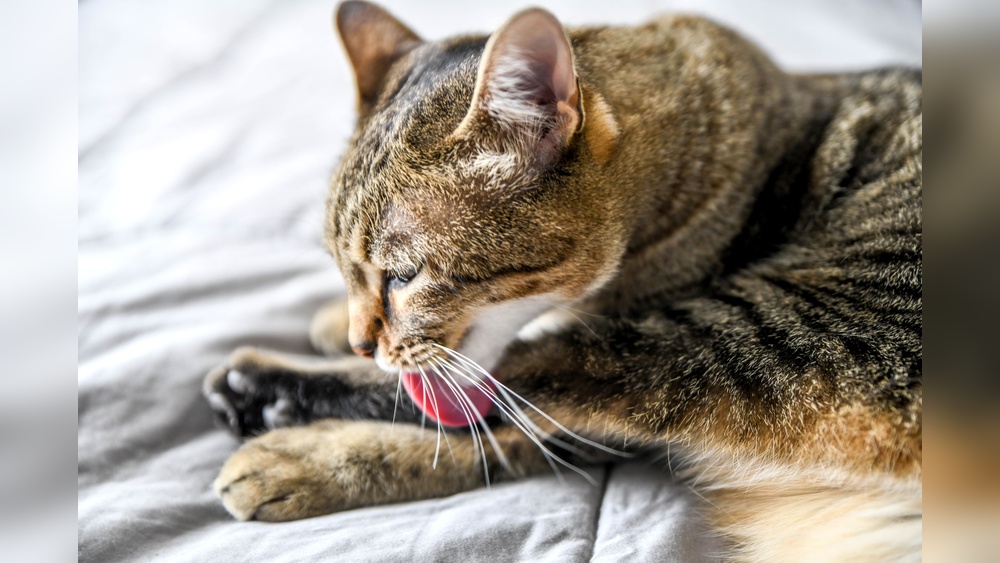
Is your cat licking or biting its fur more than usual? Excessive grooming can be a sign that something is wrong, and it’s important for you to understand why it happens and how to help your furry friend.
If you’ve noticed bald spots, redness, or constant scratching, you might be worried about your cat’s health and comfort. You’ll discover simple and effective ways to stop your cat’s excessive grooming and bring back their happy, relaxed self. Keep reading to learn what you can do right now to protect your cat’s well-being.

Credit: www.reddit.com
Causes Of Excessive Grooming
Excessive grooming in cats often signals an underlying issue. Understanding the causes helps to manage this behavior better. Cats groom to stay clean, but too much grooming can cause harm. Identifying the root cause is the first step to stopping it.
Medical Issues
Health problems often lead to over-grooming. Skin infections, parasites, or wounds can make cats lick or scratch more. Pain from arthritis or injuries also triggers grooming as a way to soothe. A vet checkup can find hidden medical causes quickly.
Stress And Anxiety
Cats feel stress just like humans. Changes in the home, loud noises, or new pets can cause anxiety. Grooming becomes a way to calm themselves down. Too much licking or chewing shows they are upset or nervous.
Allergies And Irritants
Allergies cause itching and discomfort in cats. Food allergies or flea bites make the skin itchy and red. Dust, pollen, or chemicals in cleaning products can also irritate. The cat tries to relieve the itch by grooming more than usual.
Boredom And Behavioral Problems
Bored cats often groom excessively out of habit. Lack of play or interaction leads to this behavior. Grooming becomes a way to pass time or cope with loneliness. Providing toys and attention helps reduce boredom-related grooming.

Credit: www.torontohumanesociety.com
Signs To Watch For
Excessive grooming in cats can signal problems. It is important to spot early signs. These signs help you act quickly. Watch your cat closely for changes. Notice the skin and fur condition. Observe your cat’s habits and mood.
Bald Patches And Redness
Bald patches show where fur is missing. These spots may be small or large. Redness means the skin is irritated. Both signs suggest your cat grooms too much. Check your cat’s body daily for these marks. They often appear on legs, belly, or face.
Frequent Licking And Biting
Notice if your cat licks or bites often. This behavior goes beyond normal cleaning. It may cause sores or wounds. Cats lick to soothe or relieve stress. Biting hurts the skin and fur. Excess licking or biting needs attention.
Changes In Behavior
Watch for changes in your cat’s mood. A restless or anxious cat may groom more. Your cat may hide or avoid playtime. Sleep patterns might also change. These shifts often link to grooming problems. Behavior clues help you understand your cat’s needs.
Home Remedies To Reduce Grooming
Excessive grooming in cats can cause skin problems and discomfort. Home remedies can help reduce this behavior gently. These methods focus on comfort, distraction, and care. They support your cat’s well-being without stress.
Regular Brushing
Brushing your cat often removes loose fur and dirt. It helps reduce the urge to groom too much. Use a soft brush made for cats. Brush gently in the direction of hair growth. This also strengthens your bond with your pet.
Provide Distractions
Give your cat toys and activities to focus on. Playtime keeps their mind busy and less stressed. Puzzle feeders and interactive toys work well. Change toys regularly to keep your cat interested. This reduces boredom, a cause of over-grooming.
Create A Calm Environment
Stress can trigger excessive grooming. Keep your home quiet and peaceful for your cat. Provide safe, cozy spots where your cat can relax. Use soft bedding and low lighting. Avoid loud noises and sudden changes.
Use Soothing Products
Try calming sprays or diffusers made for cats. These products use natural ingredients to reduce anxiety. Apply them in your cat’s resting areas. Always follow product instructions carefully. These help your cat feel safe and calm.
Diet And Nutrition Tips
Diet plays a big role in your cat’s skin and coat health. Good nutrition helps reduce excessive grooming caused by itchiness or discomfort. Feeding the right foods supports healing and soothes irritated skin. Focus on a diet that provides all essential nutrients for strong skin and a shiny coat.
Balanced Diet
Feed your cat a balanced diet with high-quality protein. Protein helps repair skin and fur. Choose cat food rich in animal-based proteins like chicken or fish. Avoid fillers like corn or soy that may cause allergies or skin problems. Include healthy fats such as omega-3 and omega-6 fatty acids. These fats reduce inflammation and keep skin soft. Fresh water is important too. Proper hydration prevents dryness and itchiness.
Supplements For Skin Health
Consider supplements to support your cat’s skin health. Fish oil capsules provide omega-3 fatty acids that calm irritated skin. Vitamin E helps protect skin cells from damage. Zinc supports skin healing and immune function. Give supplements only after talking to your vet. Too much of certain vitamins can harm your cat. Use supplements as a helpful addition to a good diet.
When To See A Vet
Knowing when to take your cat to the vet is important. Excessive grooming can be a sign of a health problem. Watch your cat closely. Some signs need a vet’s attention right away. Acting fast can help your cat feel better sooner.
Persistent Grooming Despite Changes
If you change your cat’s environment or routine and grooming continues nonstop, see a vet. Sometimes stress makes cats groom too much. If the behavior stays the same after you try to calm your cat, it might be a medical issue.
Signs Of Infection Or Pain
Look for red, swollen, or bald spots on your cat’s skin. These could mean infection or irritation. If your cat cries or pulls away when touched, it may feel pain. A vet can check for skin problems or injuries causing the grooming.
Behavioral Concerns
Excessive grooming can show anxiety or boredom. If your cat seems restless, hides often, or acts strange, talk to a vet. They can suggest ways to reduce stress or treat behavioral problems. Early help improves your cat’s quality of life.

Credit: www.reddit.com
Preventive Measures
Stopping excessive grooming in cats begins with good prevention. Understanding what causes this behavior helps keep your cat calm and healthy. Preventive measures focus on health checks, a happy environment, and lowering stress. These steps reduce the chance of your cat grooming too much.
Regular Vet Checkups
Take your cat to the vet often. Regular visits catch health problems early. Skin issues, allergies, or parasites can cause over grooming. The vet can offer treatments that stop itching or pain. Checking your cat’s health keeps grooming habits normal and safe.
Environmental Enrichment
Give your cat toys and activities to do. Playtime helps use energy and stops boredom. Climbing trees, scratching posts, and puzzle feeders keep cats busy. A busy cat is less likely to groom too much. Change toys often to keep your cat interested.
Stress Reduction Techniques
Stress causes many cats to groom excessively. Create a calm space with soft bedding and quiet. Avoid loud noises and sudden changes in the home. Use gentle petting and calm voices to soothe your cat. Pheromone diffusers or sprays may help reduce anxiety too.
Frequently Asked Questions
Why Is My Cat Grooming Excessively?
Excessive grooming in cats often signals stress, allergies, or skin infections. It may also indicate underlying medical issues. Observing your cat’s behavior and consulting a vet helps identify the cause. Early diagnosis ensures proper treatment and reduces discomfort for your cat.
How Can I Reduce My Cat’s Grooming Habits?
To reduce excessive grooming, provide a calm environment and regular playtime. Use flea treatments if needed and address allergies. Consult your vet for medication or behavioral therapy. Consistent care and attention help your cat feel secure and less anxious.
When Should I See A Vet For Grooming Issues?
See a vet if your cat grooms until skin is red or bleeding. Sudden changes in grooming patterns or hair loss also require veterinary attention. Early intervention prevents infections and identifies any health problems causing the behavior.
Can Diet Affect My Cat’s Grooming Behavior?
Yes, poor diet or food allergies can cause skin irritation, leading to excessive grooming. Feeding a balanced, hypoallergenic diet may reduce symptoms. Discuss dietary changes with your vet for best results and improved skin health.
Conclusion
Excessive grooming can harm your cat’s skin and health. Watch for signs like bald spots or redness. Keep your cat calm and provide regular playtime. A balanced diet also supports healthy skin. Visit the vet if grooming doesn’t improve soon.
Small changes make a big difference for your cat’s comfort. Help your pet feel safe and loved every day.