
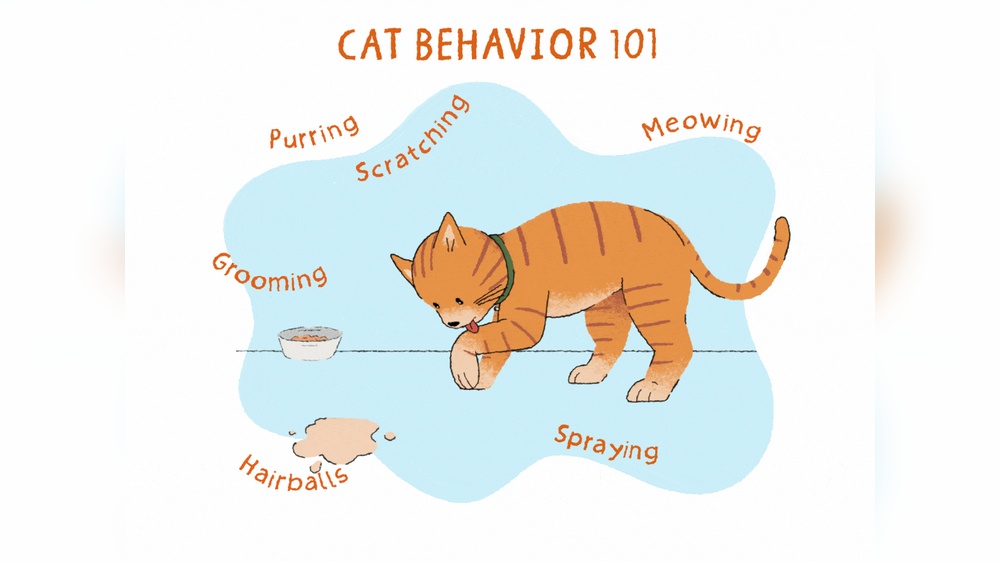
Have you ever wondered why your cats get so loud when they groom themselves? You might be surprised to learn that those noisy moments are more than just random sounds.
Your cat’s grooming noises can tell you a lot about how they feel and what’s going on inside their little world. If you want to understand your furry friend better and discover the reasons behind their loud grooming sessions, keep reading.
This could change the way you connect with your cat every day.
Credit: www.walmart.com
Common Grooming Sounds
Cats make many sounds while grooming. These noises help them clean and relax. Understanding these sounds helps you know your cat better. Some sounds are soft and normal. Others might surprise you with their loudness.
Typical Noises Cats Make
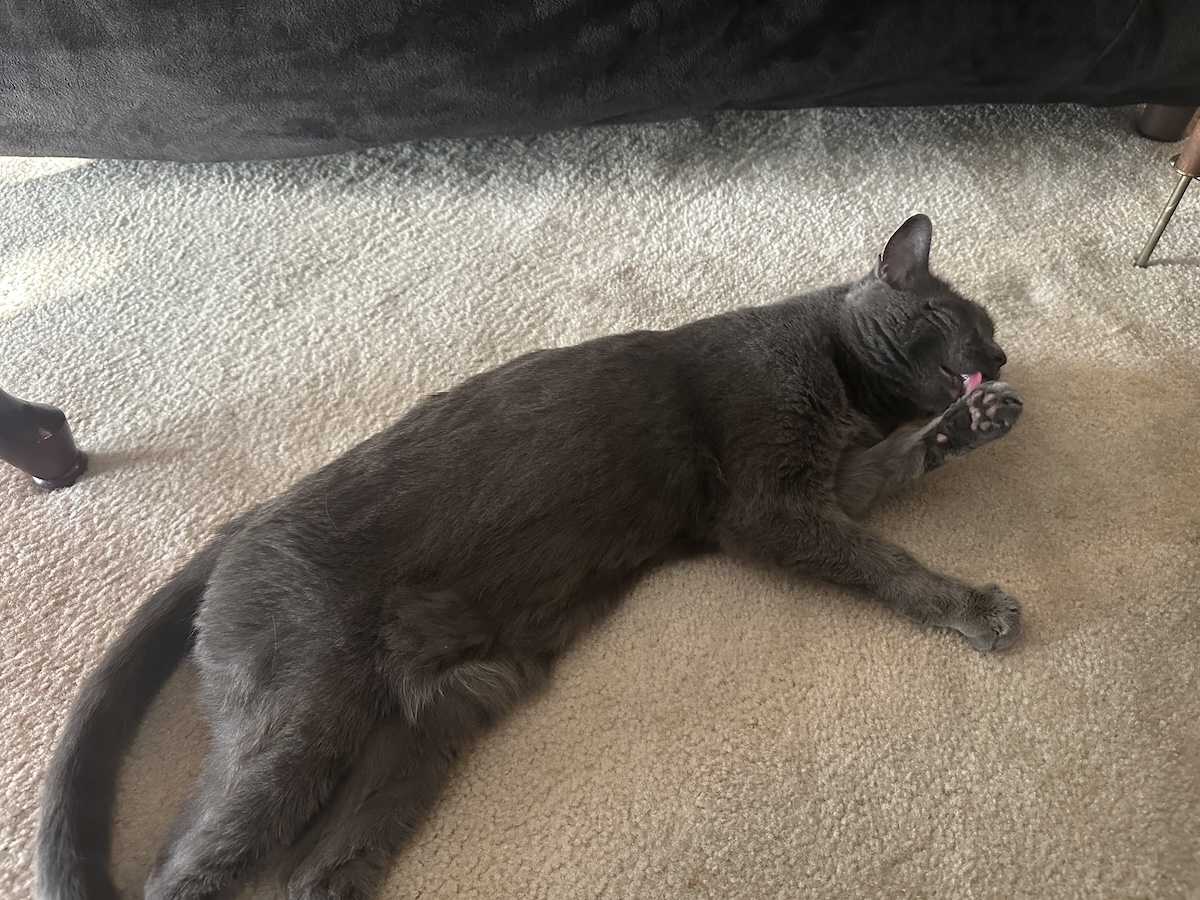
Purring is common during grooming. It shows contentment and calmness. You may hear soft licking sounds too. This comes from their tongue moving over fur. Sometimes, cats make quiet meows or chirps. These express focus or mild excitement. You might notice faint scratching sounds. This happens when claws touch surfaces gently.
When Sounds Become Loud
Loud grooming sounds occur if cats lick quickly. Their tongues create a rough noise on fur. Some cats are more vocal than others. Stress or discomfort can make sounds louder. If cats cough or gag, it may mean hairballs. Loud chewing or crunching sounds can happen. This occurs when cats bite stuck fur or skin. Watching your cat closely helps detect unusual noises early.
Communication Through Grooming
Cats use grooming to send messages. Grooming is more than cleaning. It is a way cats show how they feel and connect with others. The sounds your cat makes while grooming can tell you a lot. These noises are part of their communication.
Understanding these sounds helps you know your cat better. They can mean comfort, stress, or a need to bond. Cats use grooming noises to speak without words. This silent talk keeps their relationships strong and shows their mood.
Signaling Comfort Or Stress
Cats often purr or make soft noises while grooming. These sounds show they feel calm and safe. If a cat is loud or restless, it may feel stressed. Grooming becomes a way to soothe itself. Loud grooming noises can mean your cat needs comfort.
Stress can make a cat groom more often or loudly. Pay attention to changes in grooming sounds. This helps you spot if your cat feels uneasy. Loud grooming is sometimes a call for help or care.
Bonding With Other Cats
Cats groom each other to build trust and friendship. This is called allogrooming. The sounds during this grooming are gentle and sweet. It shows they like and accept each other.
When cats groom in groups, they create strong bonds. The grooming noises are part of this social act. It keeps the group peaceful and connected. Your cat might be loud to share this special moment.
Physical Reasons For Loud Grooming
Cats can be surprisingly loud while grooming. This noise is not just random. Many physical reasons cause cats to make sound when they clean themselves. Understanding these reasons helps you know your cat better.
Sometimes, loud grooming means your cat feels pain or discomfort. The noise can come from dental or skin problems. These issues make grooming harder or more sensitive for your cat.
Dental Or Oral Issues
Cats with dental problems may groom loudly. Pain in their teeth or gums can make licking uncomfortable. Cats might hiss or growl softly while cleaning their face. Oral infections, broken teeth, or sore gums increase sensitivity. This discomfort leads to louder, more frequent grooming sounds.
Skin Sensitivities
Skin problems also cause noisy grooming. Allergies, dry skin, or parasites make cats scratch and lick intensely. The irritation makes grooming noisy and sometimes rough. Cats try to soothe their skin, which raises grooming sounds. Watch for redness or hair loss near noisy grooming spots.
Behavioral Causes
Cats often make noise while grooming due to their behavior. These sounds can tell us a lot about their feelings and needs. Understanding why cats are loud during grooming helps improve our bond with them. Behavioral causes are common reasons for this vocalization. These include attention-seeking and habits that cats develop over time. Each cause shows a different side of your cat’s personality.
Attention-seeking Behavior
Cats may be loud during grooming to get your attention. Grooming is a quiet activity, but some cats meow or purr loudly. They want you to notice them or come closer. This behavior is common in cats that want more playtime or petting. Your cat uses sound to communicate its needs. Responding to these sounds can strengthen your relationship.
Habitual Vocalization
Some cats develop a habit of being noisy while grooming. This vocalization becomes part of their routine. They may start meowing or making other sounds without a clear reason. This habit often begins when kittens seek comfort from their mothers. As adults, they keep making these sounds during grooming. It becomes a normal and comforting behavior for them.
Breed And Personality Influence
Cats make noise while grooming for many reasons. Their breed and personality play a big part. Some cats are naturally more talkative. Others stay quiet, even during grooming. Understanding these differences helps explain their loud grooming sounds.
Vocal Breeds And Grooming
Certain cat breeds are known for their vocal nature. Siamese cats, for example, often meow loudly. Their grooming sounds can be quite noisy too. Burmese and Sphynx cats also tend to be chatty. These breeds express themselves with more sounds. Their loud grooming fits their vocal style.
Individual Cat Differences
Each cat has a unique personality. Some cats are shy and quiet. Others are bold and expressive. A cat’s mood affects how loud they groom. Some cats purr or meow softly. Others make louder noises while cleaning. Personality shapes how your cat sounds during grooming.
When To Consult A Vet
Knowing when to consult a vet is important if your cat is loud while grooming. Cats can be noisy for many reasons. Sometimes, it is normal behavior. Other times, it shows a problem. Paying attention to your cat’s sounds and actions helps you decide if a vet visit is needed.
Signs Of Discomfort Or Pain
Watch for signs your cat feels pain during grooming. Loud meows or yowls can mean discomfort. Sudden stops while grooming may also be a sign. If your cat avoids certain body parts, it could hurt there. Limping or sensitivity when touched shows pain too. These signs need a vet’s check-up quickly.
Changes In Grooming Patterns
Notice if your cat changes how it grooms. Grooming less than usual can mean illness or stress. Grooming too much might cause sores or hair loss. Over-grooming often shows skin problems or allergies. If your cat’s grooming sounds change, it is worth checking. These changes can signal health issues needing vet care.
Tips To Manage Loud Grooming
Loud grooming can be distracting for cat owners. Understanding how to manage this behavior helps create a peaceful home. Small changes in your cat’s environment and routine can reduce noise. This section shares easy tips to keep grooming sounds quiet and calm.
Creating A Calm Environment
Cats groom loudly when they feel stressed or excited. A quiet space helps them relax. Choose a calm corner for your cat to groom. Soft bedding and low noise levels make a big difference. Avoid sudden noises or bright lights near their grooming spot. Gentle background sounds, like soft music, can soothe some cats. Keep other pets away during grooming to reduce tension.
Regular Health Checks
Loud grooming may signal health issues. Check your cat’s teeth and mouth regularly. Pain or discomfort can cause noisy licking and biting. Visit the vet for routine exams and dental care. Healthy cats groom quietly and comfortably. Regular checkups catch problems before they get worse. A healthy cat is a happy, quieter groomer.
Credit: www.catster.com
Credit: www.reddit.com
Frequently Asked Questions
Why Do Cats Make Noise While Grooming?
Cats vocalize during grooming to communicate comfort or contentment. Some breeds are naturally more vocal. Grooming sounds can also show relaxation or mild stress.
Is Loud Grooming Normal For All Cats?
Not all cats groom loudly. Vocal grooming depends on personality, breed, and environment. Loud grooming is normal if your cat shows no signs of distress.
Can Loud Grooming Signal A Health Problem?
Yes, loud grooming can indicate pain or discomfort. If grooming sounds increase suddenly, check for skin issues or dental pain. Consult a vet if concerned.
How Does Grooming Noise Affect Cat Behavior?
Grooming sounds can soothe cats and nearby pets. It often signals calmness or bonding. Loud grooming might also attract owner attention or express anxiety.
Conclusion
Cats can be loud when they groom because they feel relaxed and safe. Grooming helps them stay clean and healthy. Sometimes, the sounds show they enjoy the moment. Each cat is different; some are noisier than others. Listening closely helps you understand your cat better.
Pay attention to their habits and moods. This way, you build a stronger bond with your pet. Loud grooming is usually normal and shows comfort. Keep enjoying these special moments with your furry friend.