
Have you ever watched your cat suddenly start grooming out of nowhere and wondered why? It’s one of those curious behaviors that can leave you scratching your head.
Your furry friend might seem perfectly fine one moment, then suddenly dive into a thorough cleaning session. But what’s really going on behind those quick licks and nibbles? Understanding why cats suddenly start grooming can help you connect better with your pet and even spot if something’s wrong.
Keep reading, and you’ll discover surprising reasons that explain this common yet mysterious habit.
Credit: www.mspca.org
Normal Grooming Habits
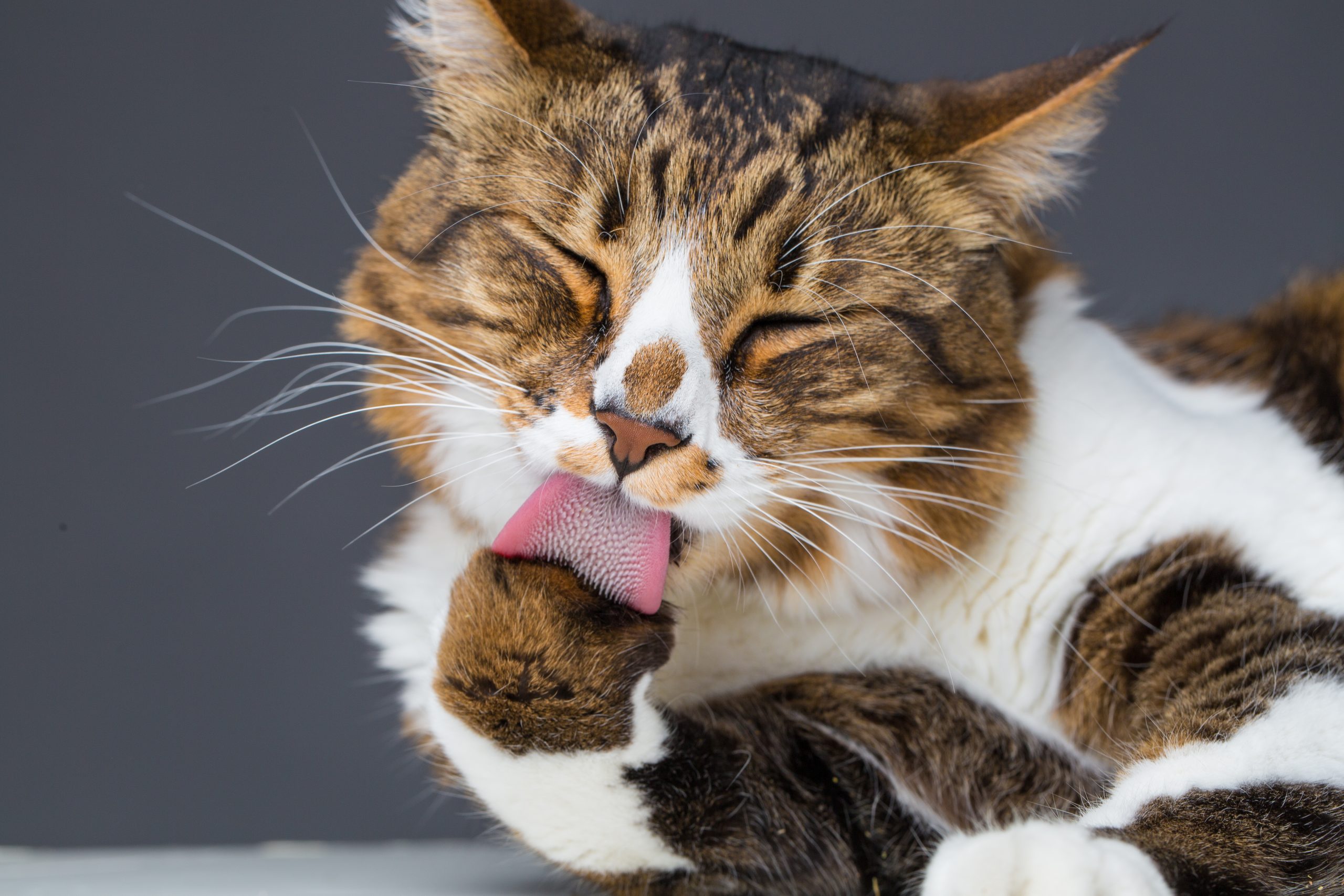
Cats spend a lot of time grooming themselves each day. This is a natural behavior that keeps them clean and healthy. Grooming is more than just keeping fur neat. It helps cats feel calm and comfortable.
Understanding normal grooming habits can help you know when your cat is healthy or if there might be a problem. Cats have their own patterns and reasons for grooming. Let’s explore these habits and their benefits.
Frequency And Patterns
Cats usually groom several times a day. Some cats spend up to 50% of their waking hours grooming. They lick their fur, face, ears, and paws. Grooming often happens after eating or waking up from a nap.
Patterns can vary by cat. Younger cats may groom more often than older ones. Some breeds also groom differently. Regular grooming keeps their coat smooth and free of dirt.
Benefits For Cats
Grooming helps cats stay clean and remove loose fur. This reduces shedding and hairballs. It also helps control parasites like fleas. Grooming spreads natural oils across their skin, keeping fur shiny and healthy.
It also calms cats down. Grooming lowers stress and anxiety. This behavior is a way to comfort themselves. Cats may groom more when they feel safe and relaxed.
Stress And Anxiety Triggers
Cats often groom themselves more when they feel stressed or anxious. Grooming helps them calm down and feel safer. This behavior can increase suddenly due to changes around them or emotional discomfort. Understanding these triggers can help you support your cat better.
Changes In Environment
Cats dislike sudden changes in their surroundings. Moving to a new home or rearranging furniture can upset them. Strange noises or new smells also cause stress. Grooming increases as a way to cope with these changes. It acts as a comfort routine and reduces their anxiety.
Separation Anxiety
Some cats get anxious when left alone. They may groom themselves more to handle the loneliness. This behavior shows they miss their owner or feel insecure. Separation anxiety can cause over-grooming or even bald patches. Spending extra time with your cat helps ease their worries.
Health Issues
Cats may suddenly groom more due to health problems. Grooming helps them soothe discomfort or pain. Sometimes, grooming hides signs of illness. Watching your cat’s grooming habits can reveal health issues early. Understanding common causes helps you act fast and keep your cat happy.
Skin Irritations And Allergies
Skin irritations cause cats to lick and scratch often. Allergies to food, dust, or pollen can trigger itching. Cats may groom to calm itchy, red, or inflamed skin. Persistent licking can make the skin raw or sore. Check for hair loss or scabs on your cat’s skin. These signs mean your cat needs a vet’s care.
Parasite Infestations
Parasites like fleas or mites cause intense itching. Cats groom more to remove these tiny pests. Flea bites create red bumps and cause discomfort. Mites can lead to hair loss and scaly skin. Grooming helps cats feel better but doesn’t solve the problem. Treating parasites quickly stops the itching and grooming cycle.
Behavioral Causes
Cats often start grooming suddenly because of their behavior. Grooming is a natural action for cats to clean themselves. But sometimes, they groom more than usual. This change can happen due to how they feel or react to their surroundings. Understanding these behaviors helps in caring for your cat better.
Compulsive Grooming
Compulsive grooming means a cat grooms too much. It can cause bald spots or skin sores. Stress or anxiety often triggers this behavior. Changes at home, loud noises, or new pets can upset cats. Grooming becomes a way to cope with their feelings. This behavior needs attention to avoid harm to the cat.
Attention-seeking Behavior
Cats may groom to get attention from owners. If they feel ignored, grooming increases. It is a way to show they want to play or be petted. Sometimes, cats learn that grooming brings a response. Owners should give time and care to reduce this behavior. Positive interaction helps cats feel secure and loved.
Environmental Factors
Cats are very sensitive to their surroundings. Changes in the environment can make them groom more often. Grooming helps cats feel clean and calm when things around them change. Some environmental factors can cause sudden grooming habits. Understanding these can help you care for your cat better.
Temperature Changes
Temperature shifts can make cats lick their fur more. When it gets hot, cats groom to cool down. Licking spreads saliva, which helps lower their body heat. Cold weather may also cause more grooming. Cats might lick their fur to keep it neat and warm. Sudden temperature changes can confuse cats, causing extra grooming. This behavior helps them adjust to new temperatures.
Exposure To Irritants
Contact with irritants can cause cats to groom suddenly. Dust, pollen, or strong smells may irritate their skin. Grooming removes these unwanted particles from their fur. Chemicals from cleaning products or sprays also cause discomfort. Cats try to soothe itchy or irritated spots by licking. This natural response helps protect their skin and coat. Watch for signs of irritation to keep your cat comfortable.
Credit: www.comfortzone.com
When To Seek Veterinary Help
Cats groom themselves to stay clean and calm. Sometimes, they suddenly start grooming more than usual. This can be a sign of stress, allergies, or health problems. Knowing when to seek veterinary help is important for your cat’s well-being. A vet can find the cause and suggest the right treatment.
Signs Of Over-grooming
Look for bald spots on your cat’s fur. Red or irritated skin is a warning sign. Your cat may lick one area many times. Scabs or sores can develop from too much licking. Notice if your cat seems restless or anxious. Over-grooming often shows as repeated licking or biting.
Treatment Options
The vet may give medicine for allergies or skin infections. Stress can be treated with behavior changes or calming aids. Sometimes, special shampoos help soothe the skin. Your vet might suggest changes in diet for better skin health. Follow the treatment plan closely for the best results.
Tips To Reduce Excessive Grooming
Excessive grooming in cats can be a sign of stress or health issues. Reducing this behavior helps keep your cat happy and healthy. Simple changes in their environment and care routine can make a big difference. Here are some tips to help manage and reduce excessive grooming.
Creating A Calm Environment
A calm space lowers your cat’s stress and anxiety. Avoid loud noises and sudden movements near your cat. Provide a quiet area with soft bedding where your cat can relax. Use calming scents or sprays made for cats to soothe them. Offer toys and scratching posts to keep your cat busy and distracted. Consistent routines also help cats feel safe and secure.
Regular Health Checks
Health problems often cause cats to groom too much. Visit your vet regularly to check for skin infections or allergies. Parasites like fleas can irritate your cat’s skin. Your vet can recommend treatments to relieve itching. Regular vet visits catch issues early and keep your cat comfortable. Good health reduces the need for excessive grooming.

Credit: welovecatz.hu
Frequently Asked Questions
Why Do Cats Suddenly Groom Themselves More?
Cats increase grooming due to stress, anxiety, or changes in environment. Grooming helps them feel calm and secure. It can also signal skin irritation or allergies needing attention.
Can Over-grooming Indicate Health Problems In Cats?
Yes, over-grooming may point to issues like fleas, infections, or allergies. It’s important to check your cat for wounds or skin conditions and consult a vet if behavior persists.
How Does Grooming Benefit A Cat’s Health?
Grooming removes dirt, loose fur, and parasites. It also stimulates blood flow and helps regulate body temperature. Grooming supports overall skin and coat health for cats.
When Should I Worry About My Cat’s Grooming Habits?
If grooming becomes excessive or causes hair loss, redness, or sores, seek veterinary advice. Sudden changes in grooming can indicate stress or underlying medical issues needing treatment.
Conclusion
Cats groom themselves to stay clean and healthy. Sudden grooming may show stress or skin problems. Watch your cat’s behavior for signs of discomfort. Regular grooming also helps cats feel calm and safe. If grooming seems excessive, consult a vet for advice.
Understanding why cats groom can improve their care. Small changes in grooming habits often mean something important. Keep your cat happy by paying attention to these clues. Grooming is a natural habit but can signal deeper needs. Stay patient and observant to support your feline friend.