
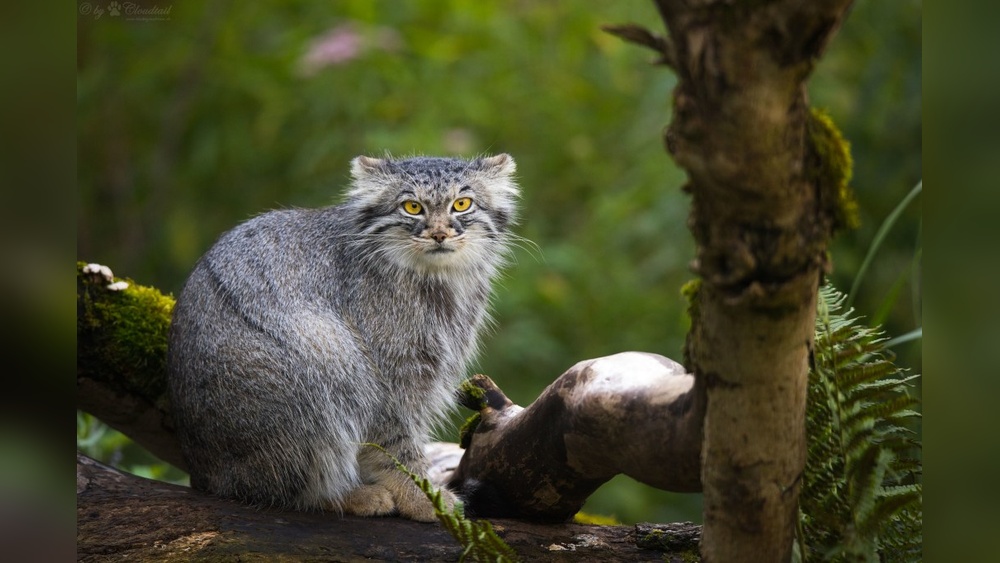
Have you ever wondered why you rarely see large cats with long, flowing fur? If you love big, fluffy pets, this might surprise you.
You might expect that bigger cats would naturally have longer hair, but that’s not how it works. Understanding why long-haired large cat breeds are so uncommon can change how you think about these majestic animals. Keep reading, and you’ll discover fascinating reasons behind this mystery — reasons that might even help you choose the perfect cat for your home.
Credit: www.fourpaws.com
Cat Breed Size Variations
Cat breeds show many differences in size. Some cats are tiny and light. Others are big and heavy. Size affects many things, like how cats move and live.
Understanding size helps explain why some cats have long hair or not. Size is linked to genetics and breed history. These factors shape the cat’s look and feel.
Small Vs Large Cats
Small cats often have thinner bodies and shorter legs. They are easier to groom and keep clean. Large cats have strong muscles and big bones.
Big cats need more care for their fur. Long hair on large cats can cause problems. It gets tangled or dirty more easily. This is one reason why large cats usually have short fur.
Genetics Behind Size
Genes control a cat’s size and coat type. Some genes make cats grow big and strong. Others keep cats small and light.
Long hair comes from specific genes too. These genes are not common in large cats. Breeders select traits that fit the cat’s size and lifestyle. This mix shapes the breed’s final look.
Long Hair Traits In Cats
Long hair in cats adds beauty and charm. It also brings special care needs. These traits affect how cats live and move. Long hair can mean more grooming and warmth. Many small to medium cats show these traits. But large cats with long hair are rare. Understanding these traits helps explain why.
Origins Of Long Hair
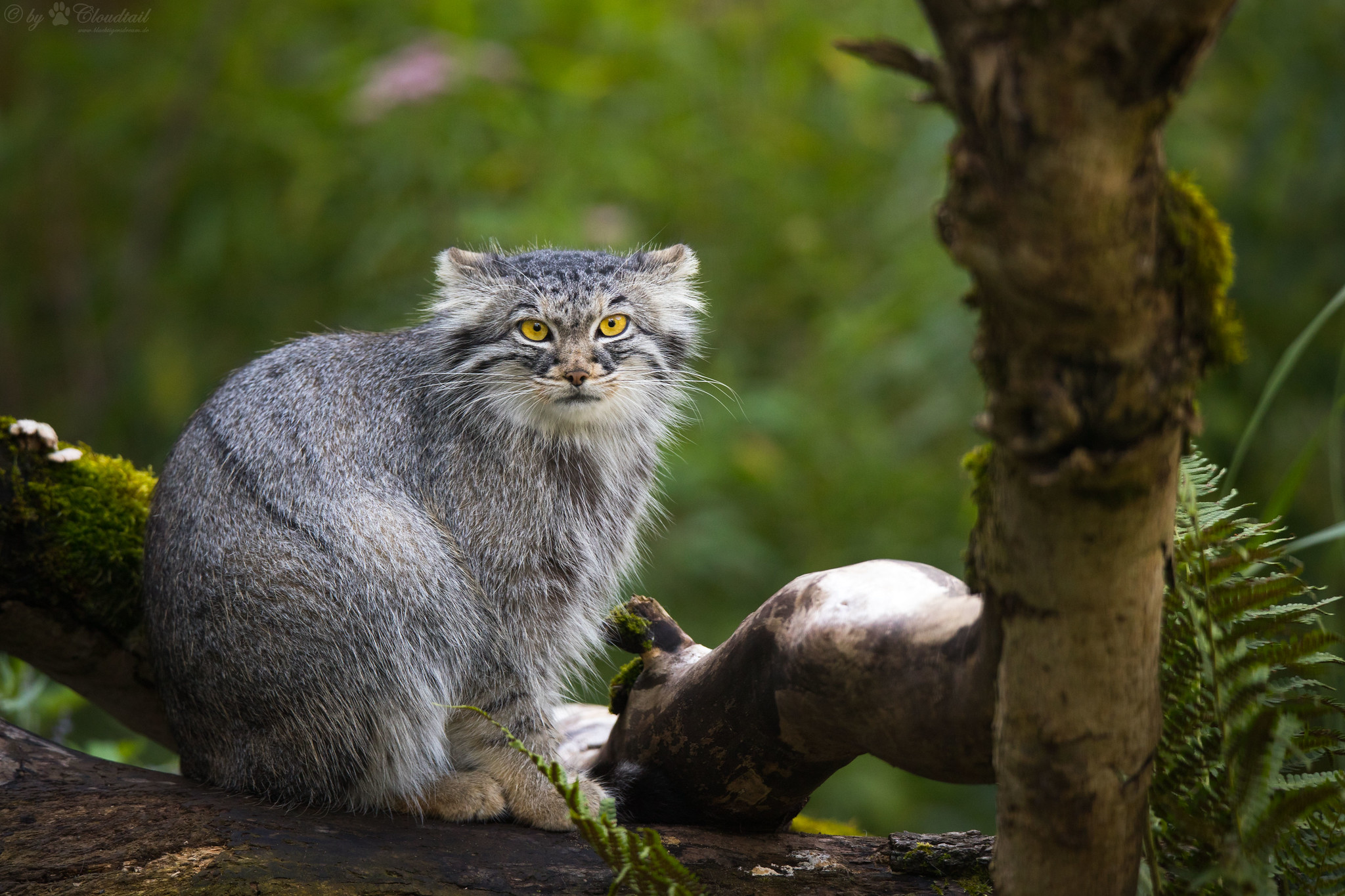
Long hair in cats comes from cold climates. Cats grew thick fur to stay warm. This trait passed through generations in certain areas. Early long-haired cats lived in places like Siberia and Persia. Their fur helped them survive harsh winters. Breeders kept this trait to keep cats cozy.
Common Long Haired Breeds
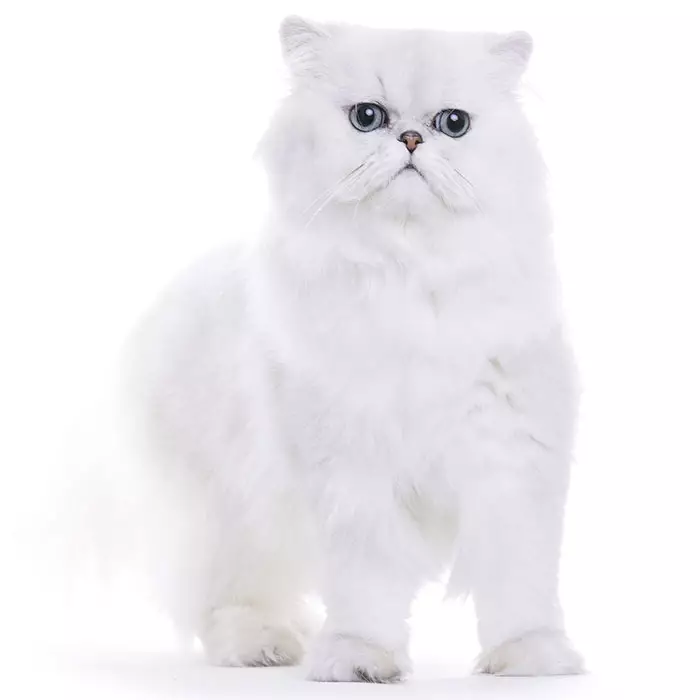
Popular long-haired breeds include Persians and Maine Coons. Persians have thick, soft coats and flat faces. Maine Coons are larger but still medium-sized, with bushy tails. Both need regular grooming to avoid matting. These breeds show how long hair suits medium-sized cats. Large cats often lack this trait due to different evolution paths.
Challenges Of Large Long Haired Cats
Large long haired cats face many challenges that make them rare. Their size and fur length create unique problems for owners and breeders. These cats need special care to stay healthy and comfortable.
Grooming And Maintenance
Long hair on a big cat means more brushing and cleaning. Mats and tangles form easily. Regular grooming takes time and effort. Without it, skin problems can appear. Large cats also shed a lot. This adds to the mess and care needed.
Health Concerns
Large cats with long fur may have health risks. Thick fur can hide wounds or infections. Heat stress is a concern because they trap more body heat. Joint issues are common in big cats, making grooming harder. Owners must watch for signs of illness closely.
Climate Adaptations
Big cats with long fur do not suit warm climates well. Their thick coats cause overheating. In hot places, they feel uncomfortable and stressed. This limits their ability to live in many regions. Breeders often choose cats with shorter fur for these areas.
Credit: blog.nature.org
Evolution And Natural Selection
Evolution and natural selection shape the traits animals carry. These processes favor features that help animals survive in their environment. For large cats, their coat length plays a critical role in their survival and hunting. Understanding why there are no large long-haired cat breeds means looking at how evolution and natural forces work.
Survival Advantages
Short or medium fur helps large cats move quickly and stay cool. Long hair can slow them down and trap heat. Large cats hunt in open spaces where speed is vital. Thick, long fur would make hunting harder and energy use higher. Natural selection favors cats with fur that supports their hunting and survival skills.
Habitat Influences
Large cats live in warm or mixed climates. These areas do not need thick, long fur for cold. Animals adapt fur length based on climate needs. Long-haired fur is common in colder habitats with small animals. Large cats evolved in places where shorter fur helped them survive better. Their environment shapes their coat and body features.
Breeding Practices And Preferences
Breeding practices and preferences shape the types of cats we see today. Breeders choose traits that appeal to buyers and are easier to maintain. These choices affect whether large cats have long or short hair. Understanding these factors helps explain why long-haired large cat breeds are rare.
Selective Breeding Trends
Breeders focus on traits that are popular and practical. Large cats with short hair are easier to care for. They shed less and need less grooming. Breeders often avoid long hair in big cats because it can cause matting and skin problems. Selective breeding favors animals that fit well in homes and showrooms.
Market Demand Factors
Buyers prefer cats that fit their lifestyle. Many want cats with low grooming needs. Long hair on large cats means more time spent brushing and cleaning. This reduces demand for such breeds. Breeders respond by producing cats that customers want. The market favors short-haired large cats for their ease and beauty.
Notable Exceptions And Hybrids
Not all large cats have short fur. Some exceptions and hybrids show longer coats. These cases help us understand the diversity in cat breeds. They also reveal how breeding affects fur length and size. Let’s explore these unique cats and their traits.
Large Cats With Longer Fur
Some large cat breeds have longer fur naturally. The Maine Coon is a prime example. It is one of the largest domestic cats. It has thick, long fur to protect from cold weather. Another example is the Norwegian Forest Cat. This breed also has a dense, long coat. Their fur helps them stay warm in harsh climates. These breeds show that large size and long fur can coexist.
Hybrid Breeds Overview
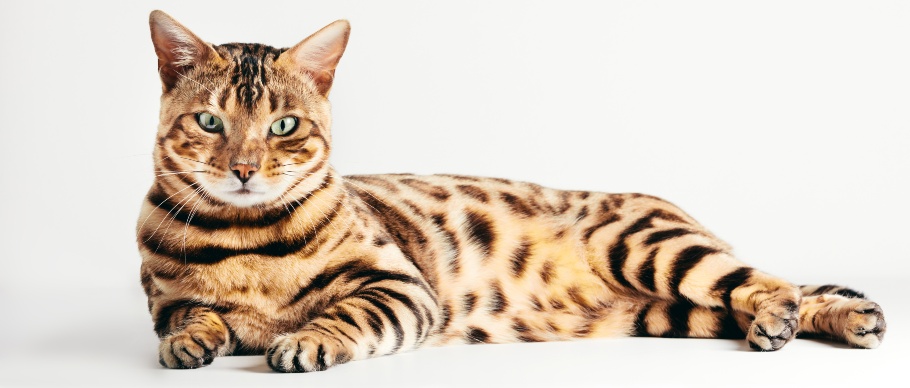
Hybrid cat breeds come from crossing domestic cats with wild cats. This creates unique fur and size traits. The Chausie is a hybrid with a longer, sleek coat. It is larger than many domestic cats. Bengals are another hybrid, often with short to medium fur. Some hybrids may have longer fur due to their wild ancestors. These breeds show mixed traits from both parents. Breeders select for size, fur length, and personality. Hybrids add variety to the world of large cats.
Future Of Large Long Haired Cats
The future of large long haired cats holds promise and excitement. Breeders and cat lovers want to see big cats with flowing coats. Such cats would combine beauty and size in unique ways. Advances in breeding techniques could make this dream a reality. Challenges remain, but progress is underway. The journey to create large long haired cats is just beginning.
Breeding Innovations
New breeding methods help create cats with desired traits. DNA testing allows breeders to select genes carefully. This reduces health risks and improves coat quality. Crossbreeding between large cats and long haired breeds is possible. Careful planning ensures strong, healthy kittens with long fur. Technology and knowledge help breeders work with precision. Patience and skill are key to success in this area.
Potential New Breeds
Exciting new breeds could emerge from these efforts. Breeders may develop cats that are both large and long haired. These cats would attract attention for their unique look. New breeds need time to become stable and recognized. Cat associations may approve these breeds after testing. Enthusiasts eagerly await new large long haired cats. This could expand the diversity of cat breeds worldwide.
Credit: bowwowinsurance.com.au
Frequently Asked Questions
Why Don’t Large Cats Have Long Hair?
Large wild cats have short hair to adapt to their environment. Long hair can hinder movement and trap heat, reducing hunting efficiency. Evolution favors short fur for survival and agility in large cat species.
Do Genetics Affect Long Hair In Large Cats?
Yes, genetics play a key role. Most large cats lack the gene mutations needed for long hair. This limits the possibility of naturally occurring long-haired large cat breeds.
Could Climate Influence Large Cats’ Fur Length?
Climate strongly influences fur length. Large cats in warmer regions have shorter fur to stay cool. Long hair is more common in small cats from colder climates for insulation.
Are There Any Long-haired Large Cat Breeds?
No recognized large cat breeds have long hair. Domestic large cats like Maine Coons have long fur, but wild large cats do not exhibit this trait.
Conclusion
Large cats with long hair are rare due to genetics and survival needs. Thick fur can make big cats too hot in warm places. Nature favors shorter fur for better heat control. Breeders focus on traits that help cats live well.
This explains why you don’t see many big, long-haired cats. Each cat breed fits its environment and lifestyle. Understanding this helps us appreciate the variety in cats. Every cat is unique, shaped by nature’s careful design.