
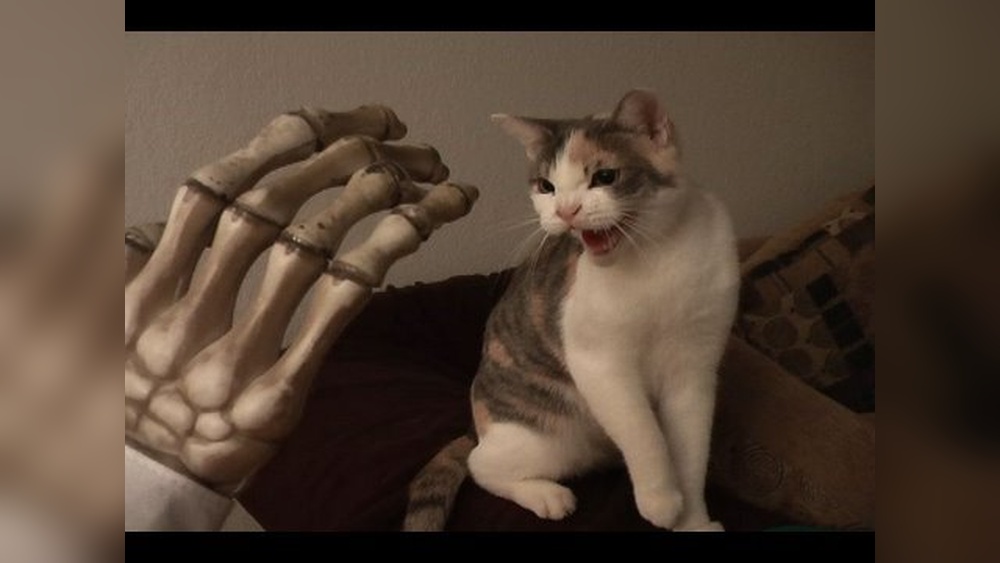
Have you ever noticed your cat hissing at a simple toy and wondered why? It can be confusing and even a little surprising when something meant for fun suddenly makes your furry friend act defensive.
Understanding why your cat reacts this way can help you create a safer and more enjoyable playtime for both of you. Keep reading to discover the surprising reasons behind this hiss and how you can turn those tense moments into happy ones.
Cat Hissing Basics
Cats use hissing to talk about their feelings. It is a clear sign they feel scared, angry, or threatened. Understanding why cats hiss at toys helps pet owners create a calm playtime.
Hissing is one of the many ways cats show their mood. It is important to know what it means and what causes it. This knowledge keeps both cats and owners happy.
What Does Hissing Mean?
Hissing is a loud, sharp sound made by cats. It means the cat feels unsafe or annoyed. It warns others to stay away. Cats hiss to protect themselves from danger.
Sometimes, a cat hisses to stop a toy from moving too close. It shows they are not ready to play or feel stressed. Hissing is not always about anger but about feeling uneasy.
Common Triggers
Toys that move too fast can scare cats. Sudden movements often trigger hissing. Cats need time to get used to new toys and sounds.
Some cats dislike loud noises from toys. Strange smells or textures also cause stress. A toy that looks like prey may confuse or frighten a cat.
Too much excitement during play can make cats hiss. They may feel overwhelmed or tired. Knowing these triggers helps to choose safe and fun toys.

Credit: www.walmart.com
Toy-related Triggers
Cats often hiss at toys because of specific triggers related to the toy itself. These triggers can cause fear, stress, or protectiveness. Understanding these toy-related triggers helps you keep playtime fun and safe. Let’s explore the main reasons cats hiss at their toys.
Unfamiliar Object Fear
Cats can get scared by new toys. Strange shapes or colors may confuse them. They may hiss as a warning to stay away. This reaction is a way to protect themselves from something unknown. Giving your cat time to adjust helps reduce this fear.
Overstimulation
Too much play can overwhelm a cat. Fast movements or loud noises from toys can cause stress. Hissing signals the cat needs a break. Watching your cat’s body language helps you spot overstimulation early. Pausing playtime lets your cat calm down.
Territorial Behavior
Cats can feel possessive about their toys. They may hiss to protect their space or favorite object. This behavior shows the toy is important to them. Respecting their boundaries prevents conflicts. Offering multiple toys can reduce territorial disputes.
Emotional Responses To Toys
Cats show many emotions when they play with toys. Their feelings affect how they act. Sometimes, these emotions cause cats to hiss at toys. Understanding these feelings helps us know our cats better.
Playing is important for cats. It helps them use energy and stay happy. But toys can also cause strong feelings. These feelings include frustration and anxiety, which can lead to hissing.
Frustration And Anxiety
Cats can feel frustrated if a toy is hard to catch or move. They want to catch the toy but fail. This frustration may make them hiss. Anxiety can also happen if the toy is strange or noisy. The cat feels unsure or scared. Hissing is a way to show these uneasy feelings.
Play Aggression
Play can turn into aggression. Cats may hiss to show they are too excited or annoyed. Sometimes, the toy makes them act wild. They may bite or scratch, along with hissing. This reaction is part of their natural hunting behavior. It shows they are serious about their play.

Credit: mcphee.com
Physical Discomfort And Health
Cats hiss at toys for many reasons. One important cause is physical discomfort or health issues. When a cat feels pain or has a health problem, playing with toys can bother it. This makes the cat react by hissing.
Pain Or Sensitivity
Cats may hiss if a toy touches a sore spot. Joint pain, cuts, or skin irritation can make play painful. Even gentle touches can cause discomfort. This leads cats to hiss as a warning to stop. Sensitive areas make them less tolerant of rough play.
Age And Mobility Issues
Older cats often have less energy and more health problems. Arthritis or weak muscles can make moving hard. Toys that move fast or need quick reactions may scare them. They hiss to say they do not want to play. Age changes how cats feel about toys and playtime.
Environmental Factors
Environmental factors play a big role in why cats hiss at toys. Cats are sensitive to their surroundings. Changes or disturbances can make them feel uneasy or scared. These feelings often lead to hissing. Understanding these factors helps us create a calmer space for cats.
Loud Noises Or Sudden Movements
Sudden sounds can startle cats quickly. Loud noises like banging or shouting make cats anxious. Fast movements near their toys can also scare them. These triggers cause cats to hiss to warn others. Cats use hissing as a way to protect themselves.
Other Pets’ Influence
Other animals in the house impact a cat’s behavior. A dog or another cat may act in a way that worries your cat. This stress often shows when your cat interacts with toys. The presence of other pets can make cats feel threatened. Hissing is a natural response to this stress.
Credit: shop.mattel.com
How To Reduce Hissing At Toys
Reducing hissing at toys helps your cat enjoy playtime more. Hissing shows fear or discomfort. Learning how to calm your cat makes play fun and safe. Try simple steps to ease your cat’s worries.
Choosing The Right Toys
Pick toys that feel safe and soft. Avoid noisy or sharp toys. Cats like toys that move like prey. Small balls, feather wands, and soft mice work well. Watch how your cat reacts to new toys.
Gradual Introduction
Introduce new toys slowly. Let your cat sniff and explore from a distance. Don’t force play right away. Give your cat time to feel safe. Start with short play sessions and grow them longer.
Positive Reinforcement
Reward calm behavior near toys. Use treats or gentle petting as a reward. Praise your cat when it shows interest without hissing. Avoid punishing hissing. Help your cat link toys with good feelings.
When To Consult A Vet Or Behaviorist
Not all cat hissing at toys is normal. Sometimes, it signals a bigger problem. Knowing when to seek help can protect your cat’s health and happiness. A vet or behaviorist can guide you through understanding and fixing this behavior.
Persistent Aggression
Hissing that lasts long or happens often is a concern. It shows your cat is stressed or scared a lot. This can make playtime harmful instead of fun. A behaviorist studies cat actions and can teach your cat calmness. They find why your cat reacts this way and help change it.
Health Concerns
Sometimes hissing means pain or illness. Cats hide sickness well but show it through behavior. If hissing starts suddenly, check for injuries or sickness. A vet examines your cat to find any health issues. Treating health problems can stop hissing caused by pain or discomfort.
Frequently Asked Questions
Why Do Cats Hiss At Toys Suddenly?
Cats hiss at toys when they feel threatened or overstimulated. It’s a defensive reaction to protect themselves. Sometimes, a toy’s movement or sound can trigger this response.
Can A Cat’s Hiss Mean Play Aggression?
Yes, hissing can indicate play aggression. Cats may hiss when they are excited but also slightly annoyed during playtime. It’s a way to set boundaries with toys or humans.
How To Stop Cats From Hissing At Toys?
To stop hissing, introduce toys slowly and gently. Use interactive play to build trust. Avoid overwhelming your cat with fast or noisy toys. Patience helps reduce fear and aggression.
Do All Cats Hiss At Toys?
Not all cats hiss at toys. Some cats are more tolerant and playful. Hissing depends on a cat’s personality, past experiences, and comfort level with the toy.
Conclusion
Cats hiss at toys for many reasons. They might feel scared or unsure. Sometimes, they think the toy is a real threat. Hissing helps them show their feelings. Understanding this behavior helps you play better with your cat. Always watch your cat’s body language during play.
This keeps your cat happy and safe. Remember, patience is key in building trust. Keep toys fun and safe to avoid stress. Your cat will enjoy playtime more this way.