
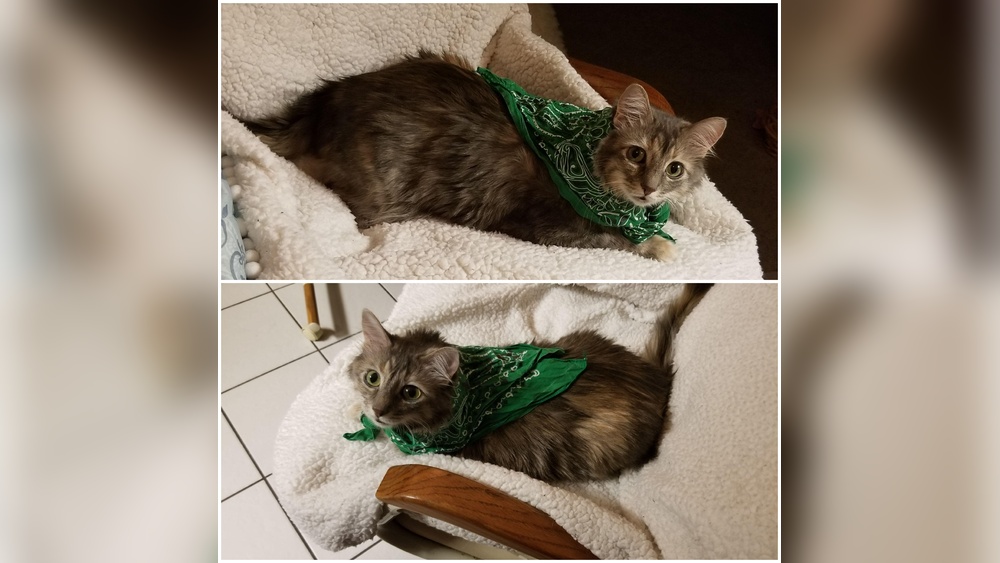
Have you noticed your cat keeps grooming itself even after you’ve given flea medication? It can be confusing and worrying.
You might wonder if the treatment is working or if something else is bothering your furry friend. Understanding why your cat continues to groom can help you take better care of them and ease their discomfort. Keep reading to find out what’s going on and how you can help your cat feel comfortable again.
Flea Medication Effects
Flea medications help protect cats from fleas and related problems. After applying flea treatments, cats may keep grooming themselves more than usual. This behavior can confuse many pet owners. Understanding the effects of flea medication explains why cats act this way.
How Flea Treatments Work
Flea treatments kill fleas quickly. They contain chemicals that target fleas on your cat’s fur and skin. These chemicals stop fleas from biting or laying eggs. Flea medication also prevents new fleas from growing. The treatment usually works within hours.
Most flea medicines come as drops or sprays. You apply them on the cat’s neck or back. The medication spreads over the body through the skin’s oils. This helps reach fleas hiding in fur.
Common Side Effects On Cats
Some cats feel itchy after flea treatment. The medicine can cause mild irritation on the skin. Cats may groom more to soothe the feeling. Grooming helps remove dead fleas and dried medicine.
Other side effects include redness or small bumps. These signs usually fade within a few days. Rarely, cats may have more serious reactions. Watch your cat closely after applying medication.
Increased grooming is often normal. It means the cat is reacting to the treatment. If grooming seems excessive or your cat looks unwell, consult a vet.

Credit: www.jaycliffepetsrotherham.co.uk
Residual Irritation
After flea medication, cats might keep grooming due to residual irritation. This irritation happens because the skin reacts to the treatment. Even if the fleas are gone, the skin can feel itchy or sensitive. Cats try to soothe this feeling by licking or scratching. Understanding why this happens helps owners care better for their pets.
Skin Sensitivity After Treatment
Flea medication can make a cat’s skin sensitive. The treatment often contains chemicals that affect the skin’s surface. This sensitivity can cause redness and itchiness. Cats respond by grooming more than usual. Sensitive skin takes time to heal. During this period, cats may feel uncomfortable and try to relieve it by licking.
Allergic Reactions To Ingredients
Some cats may be allergic to ingredients in flea medicine. Allergies cause itching, swelling, and discomfort. These reactions increase grooming behavior. The cat’s body tries to remove the irritant by licking or biting the skin. Allergic reactions vary in severity. Mild allergies cause light itching, while strong allergies may need veterinary care.
Behavioral Responses
Behavioral responses often explain why a cat keeps grooming after flea medication. The process can cause stress and discomfort. Cats react to these feelings by grooming more than usual. This behavior helps them feel calmer. Understanding these reactions helps pet owners support their cats better.
Stress And Anxiety In Cats
Flea medication can change a cat’s skin sensation. This change may cause mild irritation or a strange feeling. Cats sense this and become anxious. Anxiety makes cats groom to soothe themselves. Grooming acts as a calming habit. The more stressed the cat feels, the more it grooms.
Stress also comes from new smells or sensations. Flea medicine often has a strong scent. Cats dislike unfamiliar smells and may groom to remove it. This grooming helps reduce their discomfort and worry.
Compulsive Grooming Habits
Some cats develop compulsive grooming habits after flea treatment. This means they groom repeatedly and excessively. The behavior goes beyond normal cleaning. It becomes a way to cope with stress or irritation. Compulsive grooming can lead to bald spots or skin sores.
Compulsive grooming often starts as a reaction to flea medication. The medication triggers a need to groom. Over time, the habit sticks even after the irritation fades. Recognizing this behavior early can prevent skin damage.
Flea Lifecycle And Persistence
Fleas are tiny pests that live on cats and in their environment. They have a life cycle with several stages: egg, larva, pupa, and adult. Flea eggs can fall off your cat and hatch in carpets or bedding. This cycle makes it hard to stop fleas quickly. Even after giving flea medicine, some fleas or eggs might still be around. This causes cats to keep grooming as they feel the itch or see new fleas.
Why Fleas May Still Bite
Flea medicine usually kills adult fleas, but not all at once. Some fleas may survive a little longer and keep biting. Eggs and larvae are not affected by most medicines. They grow into adults after a few days. These new fleas can jump on your cat and cause more bites. Your cat’s grooming shows it still feels the flea activity on its skin.
Timing Of Medication And Reinfestation
Flea medicine works best when given regularly. If you give the treatment late, fleas may already be on your cat. New fleas can come from outside or from your home. Flea eggs in the environment can hatch after you treat your cat. This leads to reinfestation and more itching. Consistent treatment and cleaning help stop fleas and reduce grooming.
Preventive Measures
Preventive measures help reduce your cat’s discomfort after flea treatment. These steps protect your pet from fleas and keep grooming at a normal level. Careful actions can prevent over-grooming caused by irritation or fleas that still linger.
Proper Application Techniques
Apply flea medicine exactly as the label says. Use the right dose for your cat’s weight. Put the medication on clean, dry skin, not on the fur. Part the fur to reach the skin, usually at the back of the neck. Avoid rubbing the area after application. This helps the medicine work well and lowers skin irritation.
Additional Flea Control Strategies
Use other flea control methods alongside medication. Clean your cat’s bedding often in hot water. Vacuum floors and furniture daily to remove flea eggs and larvae. Consider flea collars or sprays if recommended by your vet. Treat your home and yard to stop fleas from returning. These steps stop fleas in all stages and reduce your cat’s need to groom.

Credit: www.reddit.com
When To Consult A Vet
Knowing when to consult a vet is important if your cat keeps grooming after flea medication. Some reactions need prompt attention to avoid harm. Watch your cat’s behavior carefully after applying flea treatment. Persistent grooming might show irritation or other problems.
Signs Of Severe Reactions
Look for redness or swelling on your cat’s skin. Excessive scratching or licking can cause sores or hair loss. Your cat might seem restless or hide more than usual. Vomiting, diarrhea, or difficulty breathing are serious signs. These symptoms need immediate vet care to prevent complications.
Alternative Treatment Options
If your cat reacts badly to one flea medicine, other options exist. Your vet can suggest safer treatments that suit your cat’s needs. Some cats do better with oral pills or shampoos instead of spot-on medicine. Always follow your vet’s advice for the best results. Changing treatment can help stop constant grooming and keep your cat comfortable.

Credit: www.reddit.com
Frequently Asked Questions
Why Does My Cat Groom More After Flea Treatment?
Cats groom more after flea medication to remove dead fleas and residual chemicals. This behavior helps them feel cleaner and reduces irritation caused by flea bites.
Is Excessive Grooming Normal After Flea Medication?
Yes, excessive grooming is normal as cats try to soothe skin irritation and remove flea medication residue. However, if it persists, consult a vet.
Can Flea Medication Cause Skin Irritation In Cats?
Flea medication can cause mild skin irritation or allergic reactions. This may lead to increased grooming and scratching. Monitor your cat for any severe reactions.
How Long Does Grooming Last After Flea Treatment?
Grooming usually lasts a few days after flea medication. It decreases as the medication works and irritation subsides. Persistent grooming needs veterinary advice.
Conclusion
Cats often keep grooming after flea treatment to soothe their skin. This behavior helps remove dead fleas and dry skin. Sometimes, the medicine causes mild irritation, making cats lick more. Keep watching your cat to ensure it feels comfortable. If grooming lasts too long, check with a vet.
Proper care helps your cat heal faster. Patience is key during this time. Understanding your cat’s behavior reduces worry and stress. Your pet will soon feel better and stop excessive grooming.