
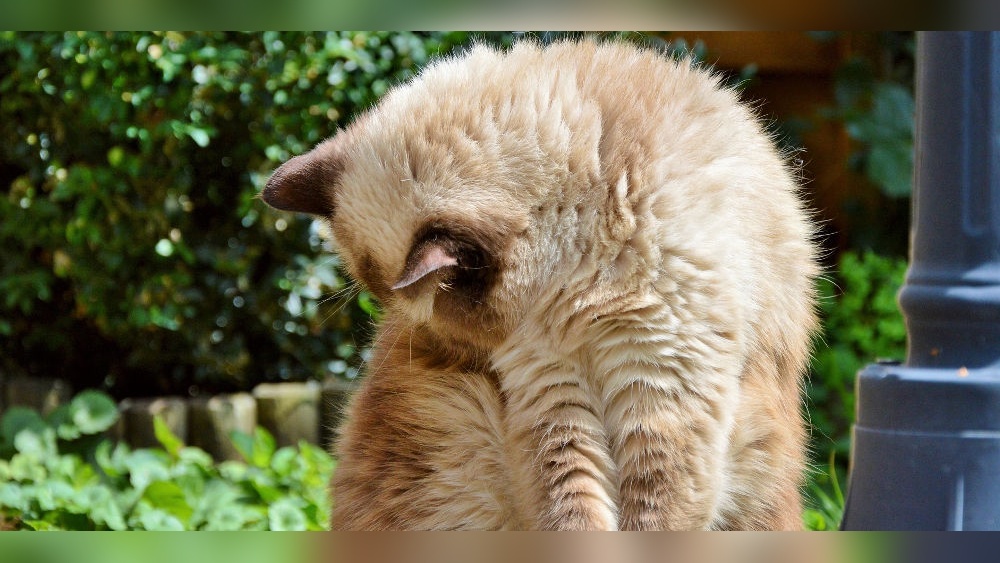
Have you noticed that your cat isn’t grooming herself like she used to? It’s natural to wonder why your usually fastidious feline suddenly seems less interested in keeping clean.
When your cat stops grooming, it’s more than just a little odd—it could be a sign that something’s wrong. You might feel worried or confused, but understanding the reasons behind this change can help you take the right steps to keep your furry friend healthy and happy.
Keep reading to discover the surprising causes and what you can do to help your cat start grooming again.
Signs Your Cat Has Stopped Grooming
Noticing your cat stopped grooming can feel worrying. Cats usually keep themselves clean and neat. Grooming is a daily habit for most cats. Missing this habit shows something might be wrong. Spotting early signs helps you act faster. These signs appear in different ways. They can be seen in how your cat looks and acts.
Changes In Coat Appearance
One clear sign is the cat’s coat looking dull or dirty. Fur may be matted or clumped. You might see oily patches or bald spots. The coat loses its shine and softness. Dirt and debris can stick to the fur. These changes mean grooming is not happening.
Behavioral Shifts
Your cat may act differently when it stops grooming. It might seem less active or tired. The cat could hide more than usual. Sometimes, it appears stressed or unhappy. Grooming helps cats relax, so stopping affects mood. You might notice your cat licking less or not at all.
Health Indicators
Stopping grooming can link to health problems. It can signal pain from arthritis or injuries. Skin infections and fleas cause discomfort too. Dental issues might make grooming painful. Illnesses like kidney disease also affect grooming habits. Watch for swelling, wounds, or bad smells on the skin.
Common Health Issues Affecting Grooming
Cats usually groom themselves daily to stay clean and healthy. Grooming keeps their fur smooth and skin healthy. When a cat stops grooming, health problems might be the cause. Some common health issues affect a cat’s ability or desire to groom. Understanding these can help you care for your pet better.
Skin Infections And Parasites
Skin infections can make grooming painful for cats. Bacteria, fungi, or yeast can cause irritation and itching. Parasites like fleas and mites also bother the skin. Cats may stop grooming to avoid pain or discomfort. Untreated infections or parasites can worsen quickly. Check your cat’s skin for redness, sores, or hair loss.
Dental Problems
Dental pain can stop a cat from grooming. Cats use their tongue and teeth to clean themselves. Tooth decay, gum disease, or mouth infections cause pain. This pain may lead to less grooming or no grooming at all. Watch for bad breath, drooling, or difficulty eating. A vet visit can help solve dental issues.
Pain And Arthritis
Pain from arthritis or injuries can limit grooming. Cats need to stretch and reach many body parts. Joint pain or stiffness makes this hard. Older cats often suffer from arthritis. They may groom less because it hurts to move. Notice if your cat moves slowly or seems stiff.
Emotional And Psychological Factors
Cats groom themselves to stay clean and healthy. Sometimes, they stop grooming. Emotional and psychological reasons can cause this change. Stress, sadness, and changes around them affect their habits. Understanding these factors helps you care for your cat better.
Stress And Anxiety
Stress makes cats uneasy. Loud noises, visitors, or other pets can cause stress. When stressed, cats may stop grooming. Grooming feels like work when they feel scared. Reducing stress helps bring back their grooming habits.
Depression In Cats
Cats can feel sad or depressed. Loss of a companion or lack of attention may trigger this. Depressed cats may ignore grooming. Their fur may look messy or oily. Showing love and spending time can lift their mood.
Environmental Changes
Moving to a new home or changing furniture can confuse cats. They rely on routines and familiar spaces. Changes may cause them to stop grooming. Keeping a calm space helps cats feel safe again. Familiar smells and quiet areas encourage grooming.
Age And Mobility Challenges
As cats grow older, they face new challenges that affect their grooming habits. Age and mobility problems can make it hard for cats to clean themselves properly. This change is common in senior cats. Understanding these challenges helps pet owners provide better care.
Senior Cat Grooming Difficulties
Older cats often struggle to reach all parts of their body. Their fur may become thicker or matted. Grooming takes more effort and energy. Some senior cats lose interest in grooming due to tiredness or pain. This leads to a dull or dirty coat.
Injury And Physical Limitations
Injuries can limit a cat’s movement and flexibility. Joint pain or arthritis can make stretching and bending painful. Cats with physical problems may avoid grooming to prevent discomfort. Cuts or wounds may also cause them to stop licking certain areas. These issues reduce their ability to keep clean.
How Diet Influences Grooming Habits
Diet plays a big role in a cat’s grooming habits. A healthy diet supports shiny fur and smooth skin. Poor nutrition can lead to dull coats and less grooming. Cats need the right balance of nutrients to keep their skin and fur healthy. Changes in diet may cause your cat to stop cleaning herself.
Nutritional Deficiencies
Cats need certain nutrients like protein, fatty acids, and vitamins. A lack of these can affect their grooming. Protein helps build strong hair and skin. Fatty acids keep the coat soft and shiny. Without enough vitamins, skin can become dry and itchy. This makes grooming uncomfortable for cats. Nutritional gaps can cause your cat to groom less.
Hydration And Coat Health
Water is essential for a cat’s skin and fur health. Dehydrated cats often have dry, flaky skin. This can make grooming painful or less effective. Cats get water from food and drinking. Wet cat food helps add moisture to their diet. Proper hydration keeps fur smooth and easier to clean. A well-hydrated cat usually grooms more regularly.
Credit: www.thedodo.com
When To See A Veterinarian
Noticing that your cat stopped grooming herself can be worrying. Grooming is a key sign of a cat’s health and happiness. Knowing when to see a veterinarian helps protect your cat’s well-being. Some signs mean a quick vet visit is urgent. Others call for a routine check-up. Understanding the difference can save your cat from discomfort and illness.
Emergency Signs
Watch for sudden changes in behavior. Refusal to eat or drink is serious. Difficulty breathing or severe lethargy needs urgent care. Open wounds or heavy bleeding require immediate attention. If your cat shows signs of pain or distress, do not wait. Quick action can prevent bigger health problems.
Routine Check-ups
Regular vet visits help catch health issues early. Schedule check-ups at least once a year. Your vet will check skin, teeth, and overall condition. Discuss your cat’s grooming habits during these visits. Early detection of problems keeps your cat comfortable and clean.
Diagnostic Tests
Vets may run tests to find hidden issues. Blood tests check for infections and organ health. Skin scrapings or biopsies find parasites or skin diseases. Urine tests reveal kidney or bladder problems. These tests help your vet choose the best treatment for your cat.
Helping Your Cat Regain Grooming Habits
Helping your cat regain grooming habits is important for her health. Grooming keeps cats clean and comfortable. When your cat stops grooming, her coat may become dirty and matted. She might feel itchy or stressed. You can help her start grooming again with some simple steps.
Patience and care are key. Gentle support helps your cat feel safe. This encourages her to groom more often. Let’s explore easy ways to help your cat regain grooming habits.
At-home Care Tips
Brush your cat regularly to remove loose fur. Use a soft brush to avoid hurting her skin. Offer gentle massages to relax your cat. Check her skin for wounds or irritation. Keep her nails trimmed to prevent scratching. Provide fresh water and balanced food for healthy skin.
Creating A Stress-free Environment
Reduce loud noises and sudden movements around your cat. Give her a quiet, cozy place to rest. Keep her routine stable with regular feeding times. Play with your cat daily to reduce anxiety. Avoid introducing new pets or changes quickly. A calm environment helps your cat feel safe and groom herself.
Professional Grooming Assistance
Visit a groomer if your cat’s fur is tangled or dirty. Groomers use tools and techniques to clean and cut fur safely. A vet check can find health problems affecting grooming. Sometimes illness or pain stops cats from grooming. Professionals help address these issues with care and skill.

Credit: luckydawgsalongrooming.com

Credit: www.reddit.com
Frequently Asked Questions
Why Did My Cat Suddenly Stop Grooming Herself?
Cats may stop grooming due to illness, pain, stress, or depression. It could indicate skin problems or arthritis. A vet visit is essential to identify and treat the underlying cause.
Can Stress Cause A Cat To Stop Grooming?
Yes, stress or anxiety can disrupt a cat’s grooming habits. Changes in environment, new pets, or loud noises may cause stress. Reducing stress and providing comfort can help restore grooming behavior.
What Health Issues Make Cats Stop Grooming?
Health problems like dental pain, arthritis, skin infections, or parasites can stop grooming. These conditions cause discomfort, making it hard for cats to clean themselves properly. Early diagnosis improves treatment outcomes.
How Can I Encourage My Cat To Groom Again?
Provide a calm environment, regular brushing, and check for medical issues. Ensure your cat feels safe and comfortable. Consult your vet if grooming does not improve within a few days.
Conclusion
A cat stopping grooming can signal health or stress issues. Watch for changes in behavior or appearance. Regular vet visits help catch problems early. Offering a calm, safe space supports your cat’s well-being. Gentle care and attention encourage your cat to groom again.
Remember, your cat depends on you for help and comfort. Stay patient and observant to keep your pet happy and healthy.