
Have you ever felt a gentle nibble from your cat while you’re petting or grooming them, only to wonder why they suddenly bite you? It can be confusing and even a little painful.
You might ask yourself, “Is my cat angry, or is this just how they show affection? ” Understanding why cats bite during grooming can change the way you interact with your furry friend. Keep reading, and you’ll discover surprising reasons behind this behavior—and how to respond so both you and your cat stay happy and comfortable.
Cat Grooming Behavior
Cats groom themselves and others as a natural habit. This behavior helps keep their fur clean and healthy. Grooming also plays a role in how cats connect with each other and with humans. Understanding why cats bite during grooming starts with knowing their grooming habits.
Grooming Instincts
Cats groom by licking their fur to remove dirt and loose hair. This action feels calming and helps control body temperature. Grooming is an instinct passed down from wild ancestors. It keeps cats healthy and comfortable.
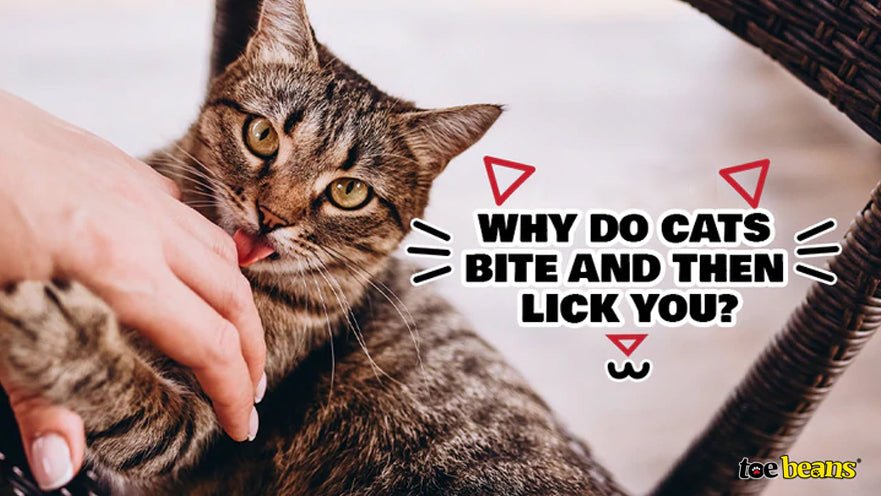
When cats groom humans, they use their tongue and sometimes their teeth. Gentle biting mimics how they clean each other. It is not meant to hurt but to show care. Biting can be a part of their natural grooming routine.
Social Bonding Through Grooming
Cats groom each other to build and keep social bonds. This behavior shows trust and friendship. When cats groom humans, they treat them like part of their family group.
Biting during grooming can be a way to get attention or communicate feelings. It shows the cat feels close and safe with the person. Grooming and gentle bites help strengthen the bond between cats and humans.
Reasons Behind Biting
Cats bite during grooming for several reasons. This behavior helps them express feelings or needs. Understanding why cats bite makes it easier to respond well. It also strengthens the bond between cats and humans.
Below are some common reasons behind biting during grooming.
Overstimulation Sensitivity
Cats have sensitive skin that can get irritated quickly. Gentle petting can turn into discomfort fast. Biting is a way to say “stop” or “too much.” Many cats show this after a short time of grooming.
Communication Signals
Cats use biting to send clear messages. It might mean “I like this” or “leave me alone.” This helps them control the interaction. Biting is one of their ways to talk without words.
Playful Interaction
Sometimes, cats bite to invite play. They see grooming as a fun activity. Gentle nibbles can be a form of play behavior. This keeps the interaction lively and engaging.
When Biting Becomes Problematic
Cats often bite gently during grooming to show affection. This behavior is usually harmless and part of their way to bond. But sometimes, biting can turn into a problem. It may cause pain or stress for the person being groomed. Understanding when biting is okay and when it becomes an issue is important for a healthy cat-human relationship.
Signs Of Discomfort
Watch your cat’s body language closely. Flattened ears, twitching tail, or growling mean discomfort. Sudden stiffening or pulling away can also signal stress. If your cat bites harder or more often, it might feel annoyed. Pay attention to these signs to prevent bites from hurting you.
Aggression Vs. Affection
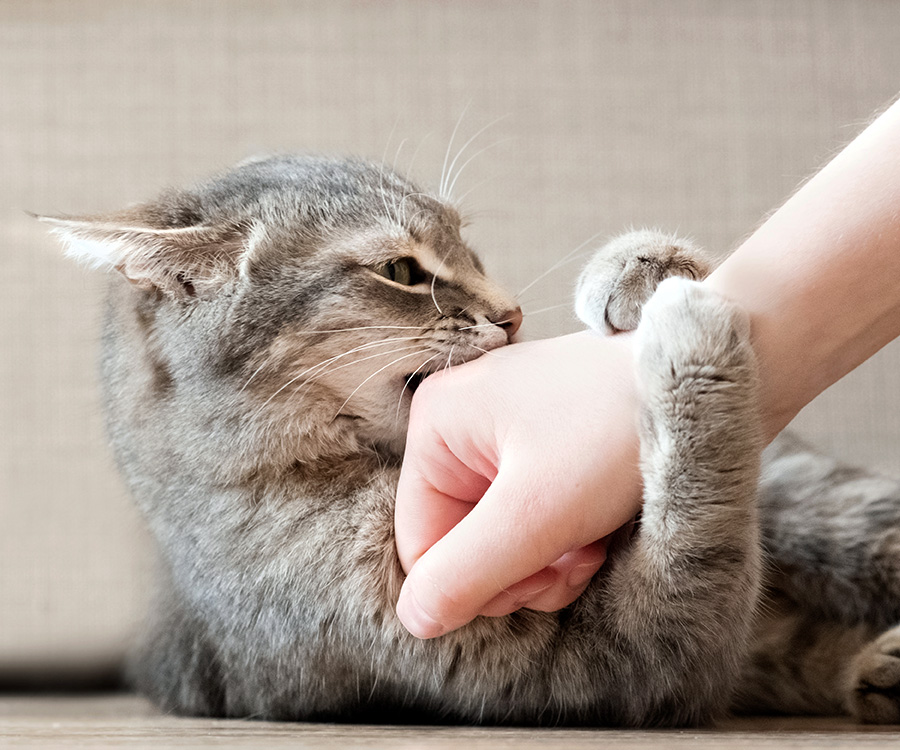
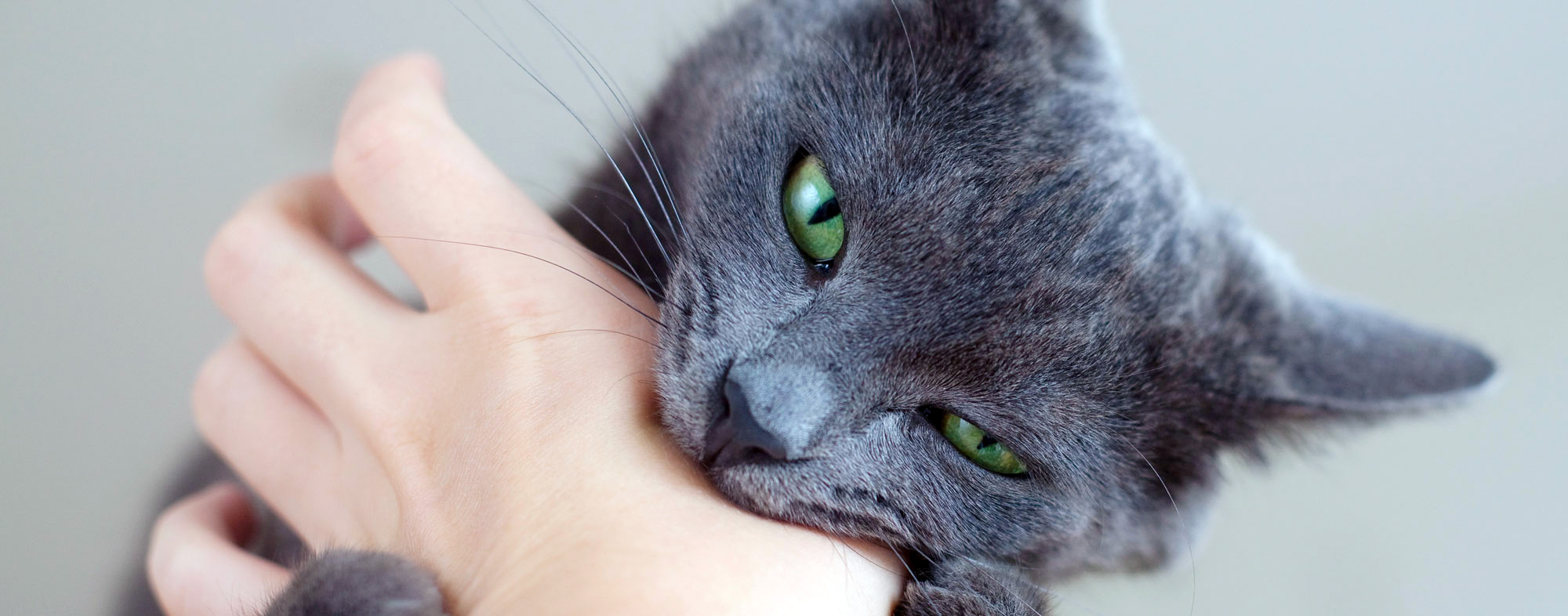
Gentle nibbling is usually a sign of love and trust. Hard bites or quick lunges show aggression or fear. Aggressive bites often come with hissing or swatting. Affectionate bites are soft and brief, not meant to hurt. Knowing the difference helps you react properly and keep your cat calm.
Credit: www.hartz.com
How To Respond To Biting
Knowing how to respond to a cat’s biting during grooming helps keep your bond strong. Cats bite for many reasons. Understanding their signals can prevent bites and keep both safe. Reacting calmly and wisely teaches your cat what is okay and what is not.
Reading Cat’s Body Language
Watch your cat’s ears, eyes, and tail closely. Flattened ears or a twitching tail mean your cat feels stressed. Wide eyes can show excitement or fear. A sudden stiff body might signal a bite is coming. Notice these signs early to stop bites before they happen.
Setting Boundaries
Use a firm but gentle voice to say “no” when your cat bites. Stop grooming immediately if a bite occurs. This teaches your cat that biting ends playtime. Avoid yelling or hitting your cat. Keep your limits clear and consistent every time you groom.
Redirecting Behavior
Give your cat a toy to bite instead of your hand. Offer a soft brush or a chew toy after grooming. Reward calm behavior with gentle petting or treats. This helps your cat learn good ways to express feelings. Redirecting biting helps build trust and good habits.
Preventing Grooming Bites
Preventing grooming bites helps keep your bond with your cat strong. Cats bite during grooming for many reasons. They might feel nervous, playful, or overwhelmed. Understanding how to reduce these bites improves your time together. Simple steps can make grooming safer and more pleasant for both of you.
Regular Play And Exercise
Play and exercise help your cat use up extra energy. A tired cat is less likely to bite during grooming. Daily play sessions keep your cat calm and happy. Use toys that mimic hunting to engage your cat fully. Short, frequent playtimes work better than long, tiring ones.
Positive Reinforcement
Reward your cat for gentle behavior during grooming. Use treats or soft praise to encourage calmness. Avoid punishment as it can increase biting. Positive reinforcement builds trust and makes grooming a good experience. Be patient and consistent with rewards.
Grooming Alternatives
Offer different ways to groom your cat to avoid bites. Try using a soft brush or grooming glove. Let your cat sniff and explore tools before using them. Gentle petting in favorite spots can reduce stress. Respect your cat’s limits and stop if they seem upset.
Credit: www.toe-beans.com
Credit: www.hartz.com
Frequently Asked Questions
Why Do Cats Bite During Grooming Sessions?
Cats bite during grooming to communicate boundaries or discomfort. It can signal overstimulation or a need for attention. Biting helps them control the interaction and express feelings when being petted or groomed.
Is Biting A Sign Of Affection In Cats?
Yes, gentle biting can be a sign of affection. Cats use soft bites to show love and bond with their humans. It mimics their grooming behavior with other cats and indicates trust.
How Can I Stop My Cat From Biting While Grooming?
To stop biting, watch for signs of overstimulation like tail twitching. Pause grooming before your cat becomes irritated. Use positive reinforcement and offer toys as an alternative to biting.
Do All Cats Bite When Grooming Humans?
Not all cats bite during grooming. Some cats are more tolerant and enjoy gentle petting. Biting behavior varies based on personality, socialization, and comfort levels with humans.
Conclusion
Cats bite during grooming to show affection or set limits. This behavior comes from their natural instincts. They use gentle bites to communicate or play. Understanding this helps build a better bond with your cat. Watch their body language to know when they feel stressed.
Respect their signals to keep interactions positive. Patience and care make grooming time enjoyable for both. Remember, these bites are not meant to hurt. Learning why cats bite can improve your relationship with them.