
Have you ever noticed how some cats spend hours grooming themselves, while others barely seem to care? You might wonder why your furry friend licks and cleans so much more than other cats.
Understanding this can help you better care for your pet and recognize if something might be wrong. You’ll discover the surprising reasons behind these grooming habits and learn what they mean for your cat’s health and happiness. Keep reading to find out why your cat might be a little cleaner—or a lot more obsessed—than the rest.
Grooming Basics In Cats
Cats spend a lot of time cleaning themselves. Grooming is a natural and important part of their daily life. It helps keep their fur clean and healthy. Understanding grooming basics can explain why some cats groom more than others.
Each cat has its own grooming habits. These habits depend on many factors like personality, health, and environment. Let’s explore the purpose and typical patterns of cat grooming.
Purpose Of Grooming
Grooming removes dirt, loose fur, and parasites. It helps cats stay cool in hot weather. Grooming also spreads natural oils over the fur. This oil keeps the fur soft and shiny. Cats use grooming to calm themselves. It reduces stress and makes them feel safe.
Typical Grooming Patterns
Cats usually groom after waking up or before sleeping. They lick their face, neck, and body in a specific order. Grooming can last from a few minutes to over an hour. Some cats groom more if they feel nervous or bored. Older or sick cats may groom less because it hurts or tires them.
Credit: www.unisq.edu.au
Breed And Genetic Influences
Breed and genetics play a big role in how much a cat grooms itself. Some cat breeds have natural grooming habits that are stronger or weaker. These traits come from their genes, passed down from their parents. Understanding these influences helps explain why some cats groom more than others.
Grooming Traits By Breed
Different cat breeds show different grooming styles. For example, Siamese cats often groom a lot, keeping their short coats very clean. Persian cats also groom often, but their long fur needs extra care. Some breeds, like the Sphynx, have less fur but still lick their skin regularly to stay clean.
These grooming habits help cats stay comfortable and healthy. Breeds with thick fur need more grooming to avoid mats and dirt. Cats with less fur may groom to keep their skin free from oils and dirt.
Inherited Grooming Behaviors
Cats inherit grooming habits from their parents through genes. These behaviors can include how often they groom and how much attention they pay to certain body areas. Some cats may groom more because their ancestors did the same to stay safe and clean.
Grooming is also linked to instincts. Cats born with strong grooming instincts tend to keep themselves very clean. Those with weaker instincts might groom less. Genetics shape these instincts, guiding how a cat cares for itself every day.
Health-related Grooming
Some cats groom themselves more due to health reasons. Grooming helps cats manage discomfort and maintain skin health. Changes in grooming habits often signal an underlying health problem. Observing these behaviors can help identify issues early.
Skin Conditions And Irritation
Cats with skin problems tend to groom more. Conditions like allergies, fleas, or dry skin cause itching. Grooming soothes irritated areas temporarily. Overgrooming can sometimes worsen skin damage. Checking your cat’s skin regularly is important. Early treatment can prevent serious problems.
Pain And Discomfort Responses
Cats may groom more to ease pain. Joint pain or injuries cause discomfort. Grooming helps distract from the pain. Some cats lick sore spots repeatedly. This behavior signals they need care. A vet visit can find and treat the cause.
Credit: yalesvillevet.com
Stress And Anxiety Effects
Cats groom themselves to stay clean and healthy. Sometimes, they groom more than needed. Stress and anxiety can cause this extra grooming. It helps cats feel calm and safe. Understanding why some cats groom more helps us care for them better.
Overgrooming As A Coping Mechanism
Overgrooming means a cat licks or bites its fur too much. This behavior helps calm their nerves. It acts like a comfort during stressful times. The cat may focus on one spot, causing hair loss. This is a clear sign of anxiety or stress. Overgrooming is not about cleanliness anymore. It becomes a way to handle emotional pain.
Environmental Triggers
Changes in surroundings can stress cats a lot. Loud noises, new pets, or moving homes can upset them. Even small changes, like new furniture, can cause stress. Cats may groom more to cope with these triggers. A quiet and safe space helps reduce this stress. Watching your cat’s behavior helps spot triggers early.
Age And Grooming Changes
Age plays a big role in how much cats groom themselves. Their grooming habits change as they grow from kittens to adults and then seniors. Understanding these changes helps explain why some cats groom more than others.
Grooming In Kittens Vs Adults
Kittens groom themselves less than adult cats. They learn to groom by watching their mother and siblings. Their fur is softer and shorter, so it needs less cleaning. Kittens often get groomed by their mother to stay clean.
Adult cats groom more to keep their fur smooth and shiny. Grooming helps control dirt and loose hair. Adults also use grooming to cool down and relax. Grooming is part of their daily routine.
Senior Cats And Grooming Habits
Senior cats may groom less than younger cats. Their joints might hurt, making grooming hard. Older cats can also have weaker teeth and less energy. This can cause their fur to look messy or matted.
Some senior cats groom more if they feel stressed or itchy. Changes in health can affect their grooming habits. Owners should watch for sudden grooming changes and check with a vet.

Credit: doctorgroomer.com
Social And Behavioral Factors
Social and behavioral factors greatly affect how much a cat grooms itself and others. Cats use grooming as a tool for communication and to build relationships. Some cats groom more because they have different social roles or emotional needs. Understanding these behaviors helps explain why grooming varies so much among cats.
Grooming For Social Bonding
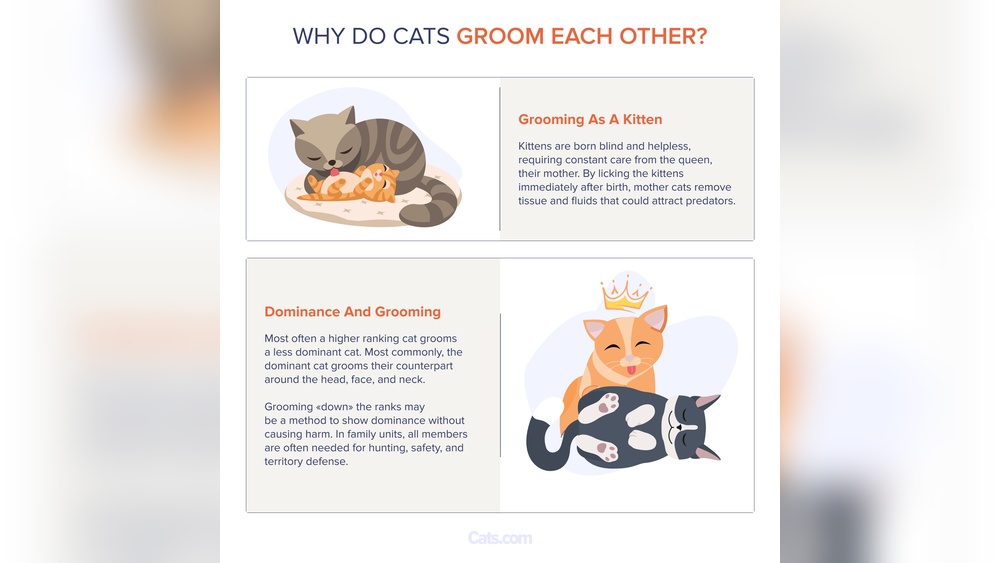
Cats groom each other to strengthen social bonds. This behavior, called allogrooming, shows trust and friendship. Cats living together often groom one another around the head and neck. It helps reduce stress and creates a peaceful group atmosphere. Cats that groom more often tend to feel safer and more connected to their group.
Territorial And Dominance Grooming
Grooming can also show dominance or mark territory. Some cats groom themselves more to stay clean and appear strong. Dominant cats may groom others to assert control. This behavior helps keep order in multi-cat homes. Grooming acts as a way to communicate status without fighting.
Diet And Grooming Impact
Diet plays a key role in how much a cat grooms. What a cat eats affects its skin and fur health. Poor diet can lead to dry skin and dull fur. This may cause a cat to lick more to try to fix the problem. A balanced diet helps keep a cat’s coat soft and shiny. It also reduces the need for extra grooming.
Nutrition And Coat Health
Good nutrition supports strong fur and healthy skin. Cats need proteins, fats, and vitamins. Omega-3 and omega-6 fatty acids are important. They keep the skin hydrated and reduce itching. Cats lacking these nutrients may groom too much. Their skin feels dry or irritated. Feeding quality cat food helps prevent these issues. It lowers the chance of over-grooming caused by skin problems.
Dehydration Effects On Grooming
Water is vital for a cat’s skin health. Dehydrated cats have dry, flaky skin. This dryness makes them lick and scratch more. Drinking enough water keeps skin moist. It stops the need for excessive grooming. Cats that do not drink enough may over-groom to soothe their skin. Fresh water and wet food can help keep cats hydrated.
Frequently Asked Questions
Why Do Some Cats Groom Excessively Compared To Others?
Some cats groom more due to stress, anxiety, or skin irritation. Genetics and personality also influence grooming habits. Over-grooming can signal health issues, so monitoring is important for early detection and care.
Can Grooming Frequency Indicate A Cat’s Health Condition?
Yes, grooming frequency can indicate health problems like allergies, parasites, or pain. Reduced grooming may show illness or depression. Excessive grooming might signal discomfort or anxiety, requiring veterinary attention.
How Does Stress Affect A Cat’s Grooming Behavior?
Stress increases grooming as a coping mechanism. Cats may lick excessively to soothe anxiety. Identifying stress triggers can help reduce over-grooming and improve a cat’s wellbeing.
Do Certain Cat Breeds Groom More Than Others?
Yes, some breeds like Siamese and Persian cats groom more often. Breed traits and coat types influence grooming needs. Longer-haired cats generally spend more time grooming to maintain their fur.
Conclusion
Cats groom themselves for many reasons. Some clean more to stay healthy and calm. Stress or skin problems can cause extra grooming. Age and breed also affect how often cats groom. Watching your cat’s habits helps spot any problems early.
A happy cat usually grooms just enough. Understanding why cats groom helps you care for them better. Keep your cat comfortable and healthy by noticing these signs. Grooming shows how your cat feels inside and out.