
Have you ever watched cats suddenly start fighting and then, out of nowhere, begin grooming each other? It’s a strange mix of behavior that can leave you wondering what’s really going on.
Understanding why cats do this can give you a deeper insight into their feelings and relationships. If you want to decode this puzzling act and learn what it means for your furry friends, keep reading—because what seems like a simple fight followed by grooming is actually a fascinating story about trust, communication, and connection.
Reasons Cats Fight
Cats often fight for many reasons. Understanding why they fight helps us know their behavior better. Fighting can seem strange, especially when cats groom each other afterward. This section explains the main reasons cats fight.
Territorial Disputes
Cats are very protective of their space. They see their home as their territory. Other cats entering this space can cause fights. This helps cats keep their area safe. Territory fights show who belongs where.
Establishing Dominance
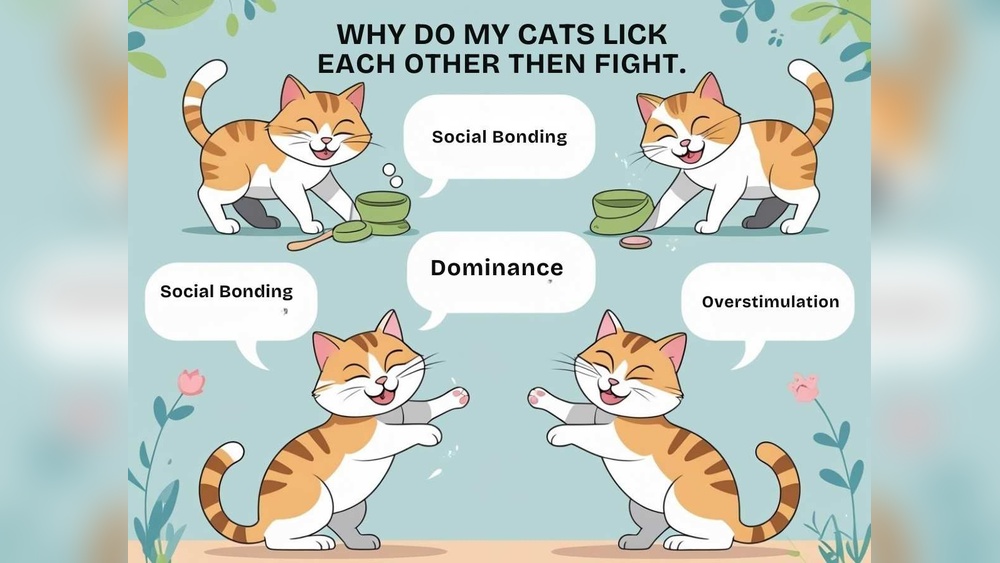
Cats use fighting to show who is in charge. Dominance helps them organize their social group. This can stop future fights by setting clear roles. A quick fight may decide who leads.
Resource Competition
Cats fight over food, water, or toys. They want to protect important things. Sharing resources is hard for some cats. Fighting helps them get what they need. This is common in multi-cat homes.
Stress And Frustration
Stress makes cats more likely to fight. Changes in the home or routine can cause stress. Frustrated cats may lash out at others. Fighting is a way to release built-up tension.

Credit: www.catsessentials.com
Why Groom After Fighting
Cats often fight and then groom each other. This may seem strange at first. But grooming after fighting helps cats keep their social balance. It is a way to calm down and rebuild trust. This behavior is common in cats that live together. It shows their complex social life.
Social Bonding
Grooming after a fight helps cats bond again. It shows they still care for each other. By licking, they share their scent. This creates a feeling of closeness. It helps keep their group stable. Grooming is a way to say, “We are still friends.”
Conflict Resolution
After a fight, cats need to solve their problems. Grooming helps stop the tension. It acts as a peace offering. This behavior reduces anger and fear. Cats use grooming to fix their conflicts. It helps avoid more fights later.
Calming Mechanism
Grooming calms cats down after stress. Fighting raises their heart rate and stress levels. Licking each other lowers these feelings. It helps them relax and feel safe. This calming effect is good for both cats. It helps them return to normal behavior.
Reaffirming Relationships
Grooming after fighting shows trust again. It reminds cats they belong to the same group. This action strengthens their relationship. It stops bad feelings from growing. By grooming, cats protect their friendship. They keep their social bonds strong.
Behavioral Patterns In Cat Groups
Cats show complex behaviors in groups. Their actions often mix conflict and care. Understanding these patterns helps explain why cats fight then groom each other. This behavior reflects their social world and survival skills.
Hierarchy And Social Structure
Cat groups have a clear social order. Dominant cats lead and control resources. Subordinate cats follow and avoid direct fights. This hierarchy reduces constant battles. It helps maintain peace in the group.
Fighting sometimes happens to establish rank. After conflicts, cats may groom to show respect. This act calms tensions and rebuilds trust. Grooming signals acceptance of the social order.
Group Grooming Rituals
Grooming is more than cleaning fur. It is a social activity that bonds cats. Cats groom each other to strengthen friendships. This behavior also lowers stress and promotes group harmony.
Grooming after fights serves as a peace offering. It repairs relationships and prevents future conflicts. This ritual keeps the group stable and united.
Aggression And Affection Balance
Cats balance aggression with affection carefully. Fighting helps solve disputes quickly. Grooming restores calm and connection afterward.
This balance allows cats to live together peacefully. It helps them share space and resources. The mix of fight and care is natural and necessary.

Credit: www.reddit.com
Signs To Watch In Cat Interactions
Cats show many behaviors when they meet. Some seem rough, but others are gentle. Watching these signs helps understand if cats are okay or not. It also shows when they feel close or upset. Knowing these signs keeps cats safe and happy.
Pay close attention to how cats act. Their body, sounds, and movements tell a story. These clues help know if they are friends or foes. Watching helps owners know when to step in or let cats be.
When Fighting Is Harmful
Fighting that causes pain is not normal. Look for loud hissing or growling. Biting hard or scratching deeply is a bad sign. Cats that run away or hide show stress. Fighting that lasts long can hurt cats badly. It may cause injuries or fear between cats.
Healthy Grooming Indicators
Grooming after a fight can mean peace. Cats lick each other softly. They clean around the face and ears. Grooming is calm and gentle, not fast or rough. This shows trust and friendship. Cats relax and feel safe together when grooming.
Intervention Tips For Owners
Watch fights closely but do not shout or scare cats. Use a loud noise like clapping to stop fights. Separate cats slowly if fighting does not stop. Give each cat its own space to calm down. Provide toys and resting spots to reduce fights. Notice changes in behavior and ask a vet if needed.
How To Encourage Positive Cat Behavior
Encouraging positive behavior in cats helps reduce fights and builds strong bonds. Cats feel safer and happier in calm, well-organized spaces. Using simple methods can improve their social skills and reduce stress. Understanding their needs is key to peaceful coexistence.
Creating A Peaceful Environment
Keep your home quiet and calm for your cats. Loud noises and sudden changes can stress them out. Provide hiding spots where cats can relax alone. Soft bedding and cozy places make cats feel secure. Avoid overcrowding areas where cats eat or sleep. A peaceful setting lowers tension and stops fights.
Proper Socialization Techniques
Introduce cats slowly to each other in a controlled way. Let them sniff and see each other from a distance first. Use treats to reward calm and gentle behavior. Avoid forcing interactions or sudden contact. Spend time playing with each cat separately and together. Gradual socialization teaches cats to trust and accept each other.
Managing Resources Effectively
Provide enough food bowls and litter boxes for every cat. Place them in different locations to avoid competition. Use multiple scratching posts and toys to keep cats busy. Sharing resources causes stress and fights. Giving each cat their own space helps reduce conflicts.

Credit: doctorgroomer.com
Frequently Asked Questions
Why Do Cats Fight And Then Groom Each Other?
Cats fight to establish dominance or resolve conflicts. Grooming afterward helps repair bonds and reduce tension. This behavior strengthens their social connection and shows acceptance despite earlier aggression.
Is Fighting Followed By Grooming A Sign Of Friendship?
Yes, grooming after fights signals reconciliation. It’s a way cats rebuild trust and maintain social harmony. This behavior indicates a positive relationship despite occasional disputes.
How Does Grooming Reduce Tension After Cat Fights?
Grooming releases calming pheromones and lowers stress hormones. It soothes both cats and restores peaceful interactions. This act helps them move past aggression quickly.
Do All Cats Groom After Fighting?
Not all cats groom after fights. It depends on their relationship and social bonds. Cats with stronger connections are more likely to groom post-conflict.
Conclusion
Cats fight to show power and protect their space. Then, they groom each other to rebuild trust. This behavior helps them stay close and calm. Fighting and grooming are part of their social bond. Understanding this can improve how you care for cats.
It shows they need both play and peace. Watch your cats’ actions to know their feelings. Their fights are not always bad, just natural. Grooming after fights helps keep their friendship strong. This balance keeps cats happy and healthy together.