
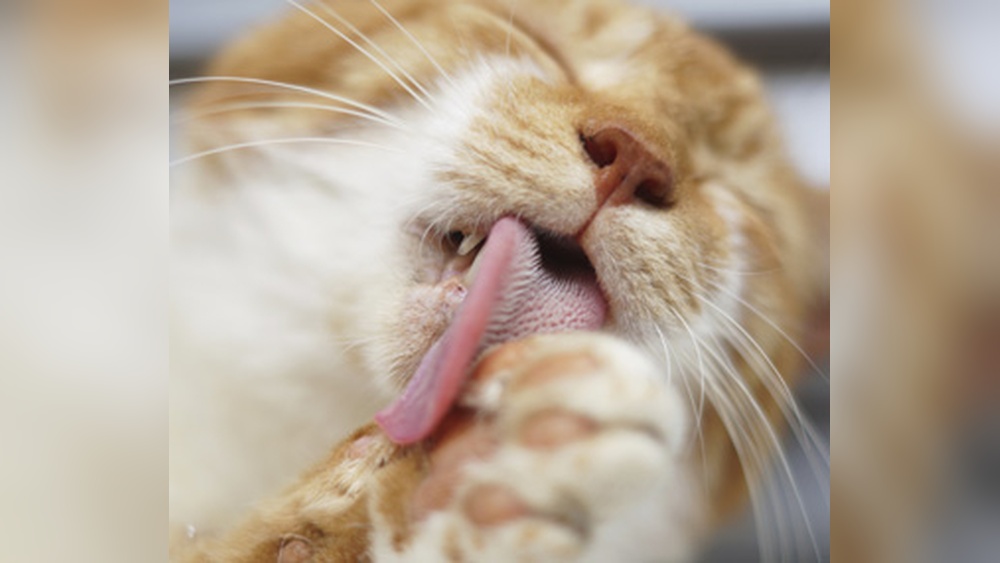
Have you noticed your cat spending more time licking and cleaning than usual? Excessive grooming can be more than just a quirky habit—it might be a sign that something is wrong.
You might be wondering, “Why does my cat groom excessively? ” Understanding the reasons behind this behavior can help you keep your furry friend happy and healthy. You’ll discover the common causes of excessive grooming and what you can do to help your cat feel better.
Keep reading to find out how to spot the signs and when to seek advice from your vet.
Signs Of Excessive Grooming
Excessive grooming in cats is more than just a habit. It can signal health or emotional issues. Spotting the signs early helps protect your cat’s well-being. Watch carefully for changes in behavior and physical appearance. These clues often reveal the root cause of the problem.
Behavioral Changes
A cat that grooms too much may act differently. It might seem restless or anxious. You could notice it licking or biting the same spot often. Some cats hide or avoid interaction. These shifts in mood or activity can indicate stress or discomfort.
Physical Symptoms
Look for bald patches or red skin on your cat. These areas may be sore or inflamed. Excessive grooming can cause wounds or scabs. Fur might appear thin or uneven. These signs suggest your cat is over-grooming and needs help.

Credit: www.vetstreet.com
Common Medical Causes
Excessive grooming in cats often signals a medical problem. Understanding common causes helps in spotting issues early. Cats may groom too much due to allergies, parasites, or pain. Each cause needs attention to keep your cat healthy and happy.
Allergies And Skin Irritations
Allergies are a frequent cause of excessive grooming. Cats can react to food, pollen, or dust mites. These reactions cause itchy, red, or inflamed skin. Your cat may lick or bite the irritated areas a lot. This behavior tries to ease the itch but often makes the problem worse.
Parasites And Infections
Fleas, ticks, and mites cause intense discomfort for cats. Parasites bite or burrow into the skin, leading to itching. Cats often groom to remove or soothe these pests. Skin infections can follow due to scratching or biting. Infection makes the skin sore and increases grooming behavior.
Pain And Discomfort
Injuries or arthritis can cause pain beneath your cat’s fur. Cats might groom painful spots excessively to reduce discomfort. This behavior acts as a way to soothe themselves. Watch for bald patches or sores from repeated licking. Pain-related grooming needs a vet’s evaluation to find the source.
Psychological Factors
Cats groom themselves to stay clean and healthy. Sometimes, they groom too much. This can be because of psychological factors. These factors affect a cat’s mind and behavior. They can cause a cat to lick or bite its fur more than usual. Understanding these reasons helps to keep your cat calm and happy.
Stress And Anxiety
Stress makes cats feel uneasy. Loud noises, new people, or changes at home can cause stress. Cats may groom excessively to calm down. This behavior works like a comfort tool for them. Too much grooming can cause skin problems. Watching for signs of stress helps you act early. Create a quiet, safe space for your cat to relax.
Boredom And Environmental Triggers
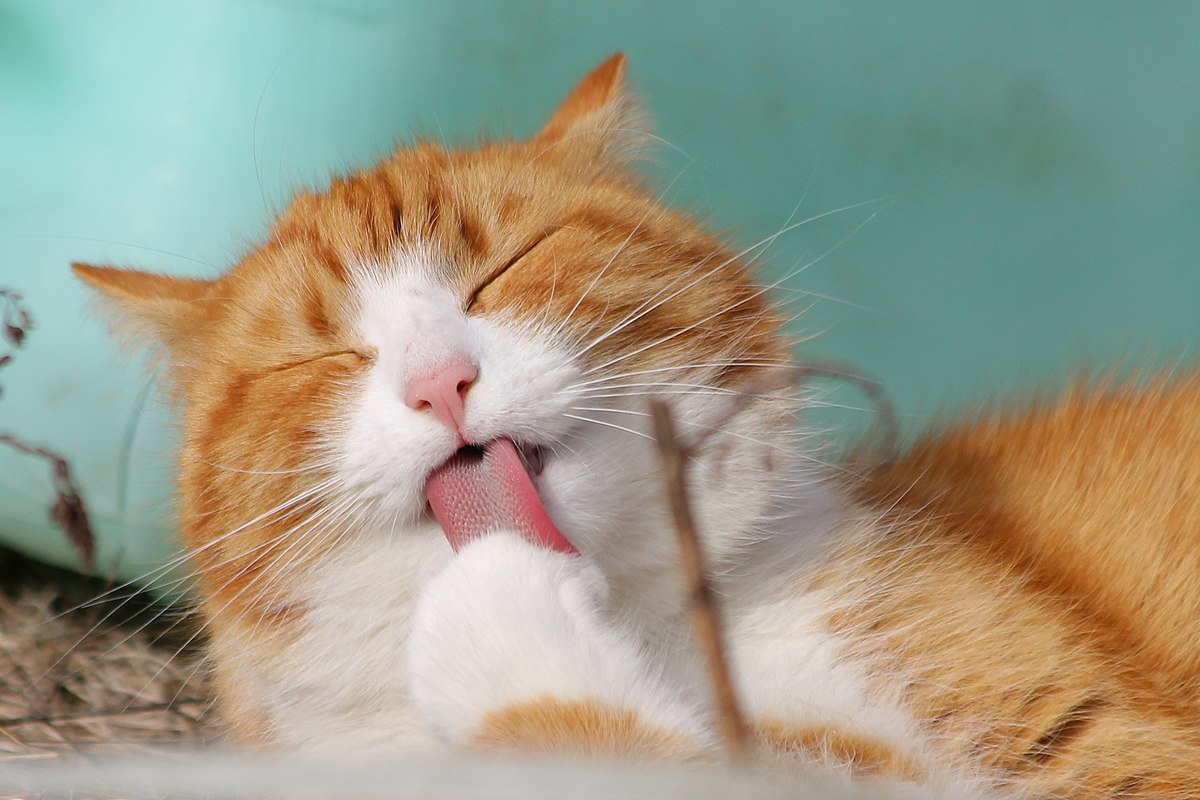
Bored cats may groom themselves too much. Lack of play or attention leads to boredom. Grooming becomes a way to pass time. Environmental triggers like strong smells or other animals can also cause this behavior. Keep your cat busy with toys and games. Regular interaction reduces boredom and stops excessive grooming.
Credit: www.vetstreet.com
When To See A Vet
Knowing when to see a vet for your cat’s excessive grooming is important. Cats may groom a lot for many reasons. Some are normal, but others need medical care. Watch your cat’s behavior closely. Early vet visits help catch problems early. This improves your cat’s health and comfort.
Identifying Serious Issues
Excessive grooming can signal serious health problems. Look for bald spots or raw skin. Scratching or licking that causes wounds is a concern. Changes in appetite or energy can also be signs. Mood changes, like hiding or aggression, matter too. These symptoms mean you should see a vet quickly.
Diagnostic Procedures
The vet will check your cat’s skin and fur carefully. Tests may include skin scrapings or allergy checks. Blood tests can find infections or hormone problems. Sometimes, the vet looks for parasites like fleas. These steps help find the exact cause of grooming.
Treatment Options
Treating excessive grooming in cats requires a careful approach. Different causes need different treatments. Your vet will help find the best option for your cat. Treatment aims to stop the behavior and keep your cat healthy.
Medications And Topical Treatments
Medications can reduce itching and pain in your cat’s skin. Your vet might prescribe anti-inflammatory drugs or antibiotics for infections. Topical creams or sprays help soothe irritated areas. These treatments protect the skin and stop more damage. Always follow the vet’s instructions for safe use.
Behavioral Therapy And Enrichment
Excessive grooming often links to stress or boredom. Behavioral therapy helps your cat feel calmer. This includes creating a calm space and routine. Enrichment activities like toys and puzzles keep your cat busy. Playtime reduces anxiety and redirects grooming habits. Patience and consistency improve your cat’s behavior over time.
Preventing Excessive Grooming
Excessive grooming in cats can cause skin problems and discomfort. Preventing this behavior helps keep your cat healthy and happy. Small changes at home and regular vet visits play key roles. These steps reduce stress and catch health issues early. Here are ways to support your cat and prevent over-grooming.
Environmental Adjustments
Create a calm space for your cat. Loud noises and busy areas can stress cats. Offer quiet spots with cozy beds and hiding places. Provide toys and scratching posts to keep your cat busy. Change the environment slowly to avoid sudden stress. Keep food and water in a consistent, safe place. Clean litter boxes often to maintain comfort. A peaceful home helps your cat stay relaxed.
Regular Health Checks
Visit the vet for routine health exams. Skin allergies, parasites, or pain may cause grooming. Early diagnosis stops problems from getting worse. Vaccinations and parasite control are important. Discuss any behavior changes with your vet. Keep your cat’s nails trimmed to prevent injury. Regular checkups ensure your cat stays healthy. Healthy cats groom normally and feel better.

Credit: www.vetstreet.com
Frequently Asked Questions
Why Does My Cat Groom Excessively?
Excessive grooming can signal stress, allergies, or skin infections. It’s a way cats soothe themselves or react to discomfort. Monitor behavior and consult a vet if grooming causes hair loss or sores.
Can Allergies Cause My Cat To Groom Too Much?
Yes, allergies from food, fleas, or environment can trigger intense grooming. Cats lick irritated skin to relieve itching. Identifying and removing allergens helps reduce excessive grooming and improves your cat’s comfort.
Is Stress Responsible For My Cat’s Over Grooming?
Stress or anxiety often leads to over grooming as a coping mechanism. Changes in environment or routine can cause this. Providing a calm space and enrichment can help reduce stress-related grooming.
When Should I See A Vet About My Cat’s Grooming?
Consult a vet if grooming causes bald spots, wounds, or persistent scratching. Sudden grooming changes may indicate health problems. Early diagnosis ensures proper treatment and prevents complications.
Conclusion
Excessive grooming in cats can signal health or stress issues. Watch your cat’s behavior closely for changes. Visit a vet to find the exact cause. Early care helps your cat feel better fast. Keeping your pet happy means a healthy, calm cat.
Simple steps can prevent serious problems later. Stay patient and gentle while helping your cat heal. Your cat’s well-being depends on your attention and care.