
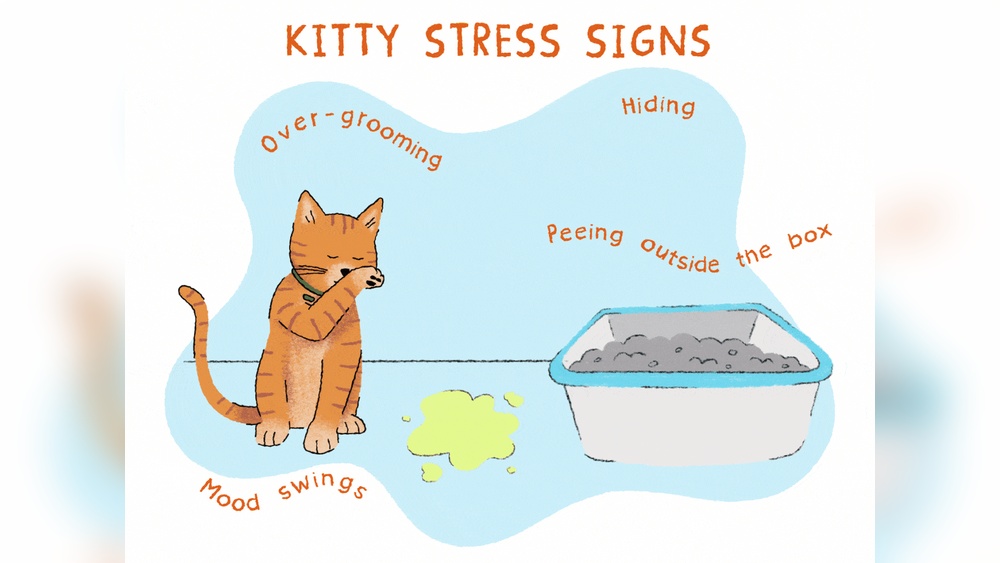
Have you ever noticed your cat suddenly start licking itself nonstop when something seems off? It’s not just about staying clean.
When your furry friend grooms themselves while feeling nervous, it’s their way of coping with stress. But why exactly do cats do this? Understanding this behavior can help you connect with your pet on a deeper level and even ease their anxiety.
Keep reading to discover the surprising reasons behind this common yet fascinating habit.
Cats’ Grooming Behavior
Cats spend a lot of time grooming themselves. This behavior is normal and serves many purposes. Grooming helps cats stay clean and healthy. It also keeps their fur soft and free from dirt. Grooming is a part of their daily routine. It helps cats feel calm and comfortable.
When cats feel nervous, their grooming habits can change. Understanding these changes can help you know how your cat feels. Watching how your cat grooms can give clues about their emotional state.
Normal Grooming Habits
Cats lick their fur to remove dirt and loose hair. They use their tongue to clean hard-to-reach places. Grooming also spreads natural oils across their fur. This keeps the coat shiny and waterproof. Cats usually groom for 30 to 50 percent of their waking hours. Grooming is also a way to relax and reduce stress.
Differences When Nervous
Nervous cats groom more often or in a different way. They may lick one spot repeatedly. This can cause bald patches or sore skin. Overgrooming is a sign of anxiety or stress. Some cats groom to distract themselves from fear. Others use grooming to calm down and feel safe. Watching these changes helps spot a nervous cat early.
:strip_icc()/how-to-stop-cat-over-grooming-554052-02-292560d5fa1542458556eff312f669d7.jpg)
Credit: www.thesprucepets.com
Stress And Anxiety Triggers
Cats groom themselves not just to stay clean. Grooming also helps them feel better during stress. Stress and anxiety cause many cats to lick and clean their fur more than usual. This behavior calms their mind and body. It acts like a natural comfort for them.
Understanding what causes stress helps explain why cats groom nervously. Different triggers affect cats in different ways. Some cats are more sensitive to changes around them. Stress can lead to more grooming as a way to cope.
Common Stressors For Cats
Many things can stress cats. Loud noises like thunderstorms or fireworks scare them. Moving to a new home causes confusion and fear. Introducing new pets or people can make cats anxious. Even changes in their daily routine affect their comfort. Illness or pain also raises stress levels. These stressors push cats to groom more as a self-soothing method.
How Stress Affects Behavior
Stress changes how cats act. They might hide or become less active. Some cats meow more or show aggression. Excessive grooming is a common sign of stress. It helps release tension and distracts from fear. Over time, this behavior can become a habit. Recognizing stress signs early helps keep cats calm and happy.
Grooming As A Coping Mechanism
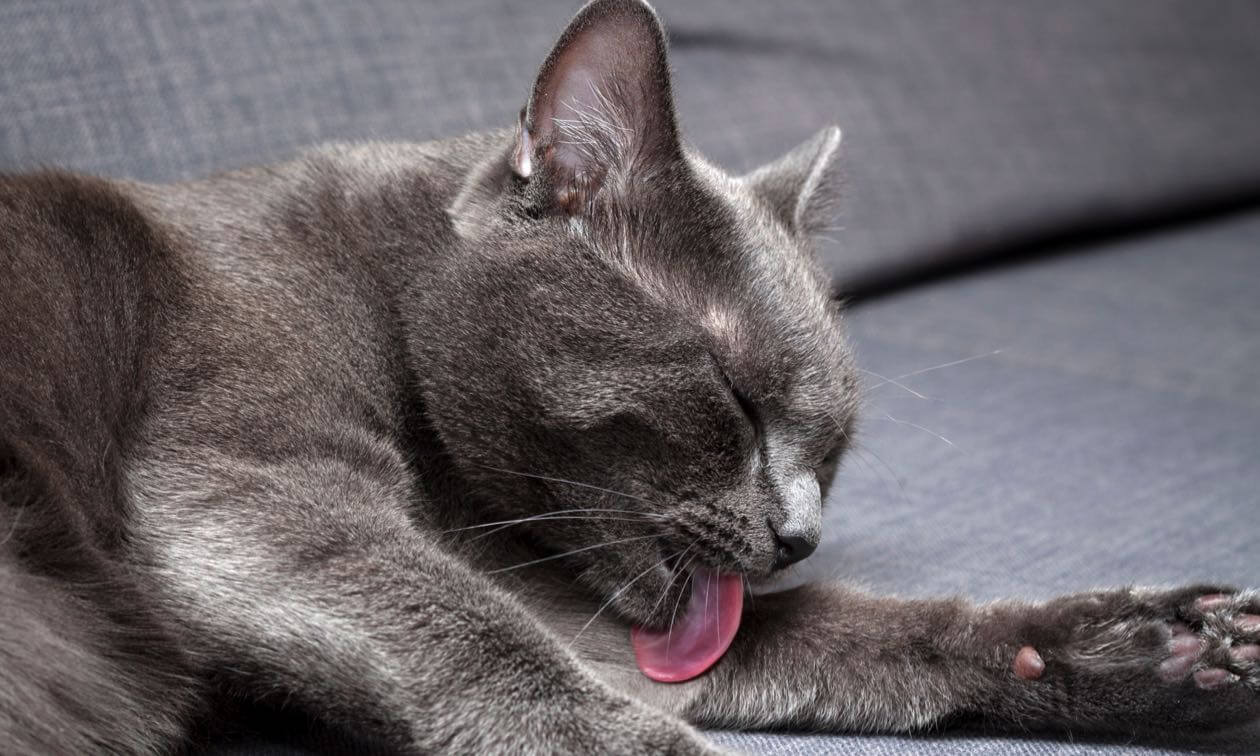
Cats often groom themselves when they feel nervous or stressed. This behavior helps them manage their emotions in a quiet way. Grooming is more than just cleaning. It serves as a tool for cats to calm down during tense moments.
Through grooming, cats find comfort and control. It helps them reduce their anxiety and feel safer in uncertain situations. This natural habit acts as a simple, effective coping strategy.
Self-soothing Effects
Grooming releases calming chemicals in a cat’s brain. This makes them feel relaxed and less worried. The repetitive motion of licking fur provides a soothing effect. Cats use this action to comfort themselves during stress. It works like a gentle massage or deep breath for humans.
Distraction From Anxiety
Grooming shifts a cat’s focus away from fear. It helps interrupt anxious thoughts or feelings. Concentrating on licking fur gives their mind something else to do. This distraction lowers stress levels and prevents panic. The cat stays calmer by paying attention to grooming instead of danger.
Credit: www.zoetispetcare.com
Physiological Responses
Cats groom themselves for many reasons. One key reason is their body’s natural reaction to stress. This reaction involves physical changes that help cats calm down. These changes are called physiological responses. They play a big role in why cats lick their fur when nervous. Understanding these responses reveals how grooming helps cats feel better.
Release Of Endorphins
Grooming triggers the release of endorphins in a cat’s brain. Endorphins are natural chemicals that reduce pain and stress. They act like the body’s own painkillers. When a cat grooms, these chemicals flood the brain. This makes the cat feel calmer and happier. The process helps distract the cat from its anxiety. It creates a soothing effect that lowers nervousness.
Calming Nervous System
Grooming also affects the cat’s nervous system. It activates the parasympathetic nervous system. This system controls rest and digestion functions. When triggered, it slows the heart rate and lowers blood pressure. These changes help the cat relax. Grooming sends signals that reduce the fight-or-flight response. This lowers tension and helps the cat regain control of its emotions.
Social And Evolutionary Factors
Cats groom themselves not just for cleanliness. Grooming has deep social and evolutionary roots. It helps cats communicate and survive. Understanding these factors explains why cats groom when nervous.
Communication Through Grooming
Grooming acts as a way for cats to send signals. When nervous, a cat’s grooming shows stress or submission. It can calm themselves and others nearby. Cats also groom each other to build trust. This social grooming strengthens bonds in groups. It tells other cats they are not a threat. Grooming helps maintain peace within cat communities.
Evolutionary Survival Benefits
Grooming has evolved to keep cats safe. Cleaning fur removes dirt and parasites that cause illness. This helps cats stay healthy and strong. When nervous, grooming distracts from fear or danger. It can lower heart rate and reduce stress hormones. Grooming also hides a cat’s scent from predators. This makes it harder for enemies to track them. Grooming is a natural survival tool passed down through generations.
When Grooming Becomes Excessive
Cats groom themselves to stay clean and calm. It is normal behavior. But sometimes grooming can get out of hand. Excessive grooming is a sign that a cat feels very nervous or stressed. This behavior can harm the cat’s skin and fur.
When grooming becomes excessive, it is important to notice the warning signs. It can affect the cat’s health and comfort. Understanding these signs helps protect your pet.
Signs Of Overgrooming
Look for bald spots on your cat’s body. The skin may look red or irritated. Your cat might lick one area for a long time. Scratching or biting the skin can increase. The fur may become thin or patchy. Overgrooming often happens on the belly, legs, or tail.
Health Implications
Too much grooming can cause skin wounds and infections. The skin may become dry and flaky. Pain and discomfort can make your cat more anxious. Hair loss can lead to cold or sunburn. In some cases, overgrooming hides other illnesses. It is important to check with a vet for proper care.
Helping Cats Manage Nervousness
Cats groom themselves to feel calm when they are nervous. This behavior helps them reduce stress and regain control. Understanding how to help your cat manage nervousness is important for their well-being.
By creating a calm environment and using gentle behavioral methods, you can support your cat. These steps make your cat feel safer and less anxious.
Creating A Calm Environment
Start by keeping your home quiet and peaceful. Loud noises can scare cats and make them groom more. Offer a safe, cozy space where your cat can relax. Soft bedding and a hiding spot help them feel secure. Keep feeding times regular to avoid stress. Avoid sudden changes in the room’s layout or lighting. A calm atmosphere helps reduce your cat’s nervous grooming.
Behavioral Interventions
Use gentle play to distract your cat from stress. Toys and activities can shift their focus away from nervousness. Praise and treats reward calm behavior. Avoid punishing your cat for grooming too much. Teach your cat to relax with quiet time and petting. Routine helps cats feel safe and less anxious. Over time, these steps reduce nervous grooming behaviors.
Credit: www.rocklinranchvet.com
Frequently Asked Questions
Why Do Cats Groom When They Feel Nervous?
Cats groom themselves to calm down and reduce stress. Grooming releases endorphins, which help them feel more relaxed and secure.
How Does Grooming Help Cats Manage Anxiety?
Grooming distracts cats from anxiety by focusing their attention. It also regulates their body temperature and soothes their nervous system.
Can Excessive Grooming Indicate Stress In Cats?
Yes, excessive grooming can be a sign of stress or anxiety. It may lead to bald spots and skin irritation if unchecked.
Is Grooming A Natural Coping Mechanism For Cats?
Absolutely, grooming is an instinctive way for cats to handle discomfort. It helps them feel safe and regain control in stressful situations.
Conclusion
Cats groom themselves to calm down and feel safe. This action helps them reduce stress and nervousness. Grooming also distracts cats from scary or strange situations. It is a natural way for cats to handle their feelings. Understanding this behavior helps pet owners support their cats better.
Next time your cat licks itself a lot, remember it may feel nervous. Showing love and patience can make your cat feel secure again. Simple care goes a long way in helping your furry friend.