
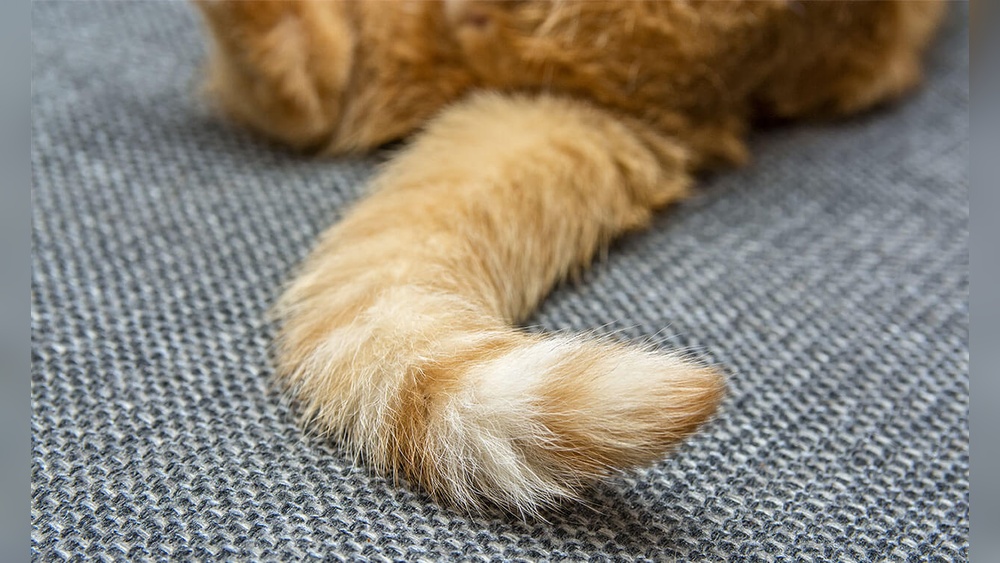
Have you ever noticed your cat biting its own tail and wondered why? It can be puzzling and a little worrying to see your furry friend focused on their tail like that.
Understanding why your cat bites its tail is important because it can reveal a lot about their health and happiness. You’ll discover the common reasons behind this behavior and what you can do to help your cat feel better. Keep reading to learn how to spot the signs and take action before this habit becomes a bigger problem for your pet.
:strip_icc()/understanding-cat-grooming-553960_FINAL-c1db78344e2b4499b48b4302b52b0870.jpg)
Credit: www.thesprucepets.com
Common Tail Biting Behavior
Cats biting their tails is a common behavior that many owners notice. It can be harmless or a sign of a problem. Understanding why cats bite their tails helps in taking care of them better. Tail biting can mean normal grooming or show stress and health issues. Observing the frequency and intensity gives clues to the cause.
Normal Grooming Vs Excessive Biting
Cats groom themselves to stay clean. Tail biting is part of this grooming. They use their teeth to remove dirt and loose fur. This behavior is quick and gentle. Excessive biting is different. It is frequent and rough. It can cause wounds or hair loss. This may indicate irritation, allergies, or parasites. Watch your cat’s tail for redness or swelling. Normal grooming keeps the tail neat without damage.
Age And Breed Factors
Young cats and kittens often bite their tails more. They explore their bodies and learn grooming. Older cats may bite less unless they have health problems. Some breeds have sensitive skin or fur types. These cats may bite their tails more often. Breeds with long fur might get mats that cause irritation. Knowing your cat’s breed helps understand its grooming needs. Tail biting can vary with age and breed traits.
Credit: www.walmart.com
Medical Causes
Cats bite their tails for many medical reasons. These causes often need attention from a vet. Knowing the medical reasons helps you act quickly. It can stop your cat from hurting itself more.
Skin Irritations And Allergies
Skin irritations can make cats bite their tails. Allergies to food or environment may cause itching. Fleas, dust, or certain shampoos can trigger allergies. Cats try to relieve the itch by biting. This can cause sores or infections if left untreated.
Parasites And Infections
Parasites like fleas or mites often cause tail biting. These tiny bugs cause discomfort and itching. Bacterial or fungal infections can also be the problem. Such infections make the tail sore and painful. Cats react by biting or licking the affected area.
Pain And Injury
Injuries to the tail can cause pain and biting. A broken tail bone or wound may lead to this behavior. Nerve damage can also create unusual sensations. Cats try to soothe pain by biting the tail. It is important to check for any injury quickly.
Behavioral Triggers
Cat tail biting and grooming often stem from specific behaviors. These actions reveal how cats feel and react to their environment. Understanding these behaviors helps in managing and reducing tail biting.
Behavior triggers influence a cat’s decision to bite or groom its tail. These triggers can vary widely. They mostly relate to the cat’s mental and physical state.
Stress And Anxiety
Cats feel stress from changes in their surroundings. New people, loud noises, or moving homes can upset them. Stress makes cats restless and nervous. They may bite their tails to calm down. This helps them cope with uneasy feelings.
Boredom And Lack Of Stimulation
Cats need mental and physical activity every day. Without play, they get bored quickly. Bored cats might bite or groom their tails for fun. This behavior fills the gap of missing activities. It is a way to entertain themselves.
Territorial And Playful Actions
Cats protect their space and express play through tail biting. Sometimes, tail biting is a form of play. It mimics hunting or fighting behaviors. Cats may also bite their tails to mark their territory. This action shows control and ownership.
Environmental Influences
Environmental factors play a big role in why cats bite or groom their tails. Changes around them can cause stress or anxiety. This often leads to unusual behaviors like tail biting. Understanding these influences helps in managing and reducing the behavior.
Changes In Home Environment
Moving to a new house or rearranging furniture can unsettle a cat. Cats like stable and familiar surroundings. Sudden changes can make them nervous. They may start biting their tails to relieve stress. Noise from construction or visitors also affects their calmness. Keeping a quiet and stable space helps cats feel safe.
Presence Of Other Pets
New pets can change a cat’s behavior quickly. Cats might feel threatened or jealous. This tension leads to nervous habits like tail grooming or biting. Competition for food or attention adds pressure. Watching pets closely and giving each cat personal space reduces stress. Creating calm interactions helps cats relax and stop biting their tails.
When To Seek Veterinary Help
Knowing when to seek veterinary help is key for your cat’s health. Sometimes tail grooming by biting can cause small issues. Other times, it signals a serious problem. Acting early can prevent pain and infections. Watch your cat closely for signs that need medical care.
Signs Of Serious Problems
Look for swelling around the tail. Open wounds or bleeding need attention. Redness or pus shows infection. Your cat may lick or bite the tail more. Limping or trouble moving means pain. A bad smell can come from the tail. Changes in behavior, like hiding or aggression, are warning signs.
Treatment Options
The vet may clean wounds and give medicine. Antibiotics help fight infections. Sometimes, pain relief is needed. Your cat might wear a cone to stop biting. In severe cases, surgery may be required. Follow all vet advice carefully to help your cat heal fast.
Preventive Measures
Preventive measures help stop cats from biting their tails during grooming. These steps focus on keeping cats healthy and happy. They reduce stress and prevent harmful behavior. Understanding and addressing the root causes is key to prevention.
Improving Mental Stimulation
Cats need mental activity to stay calm and content. Bored cats may bite their tails out of frustration. Provide toys that challenge their mind. Puzzle feeders and interactive toys work well. Rotate toys often to keep them interesting. Spend time playing with your cat daily. This reduces boredom and stops tail biting.
Regular Health Checks
Health problems can cause cats to bite their tails. Skin issues, allergies, or pain may be the reason. Take your cat to the vet regularly. Early detection of health problems helps prevent tail biting. Follow vet advice for treatment and care. Keep your cat’s vaccinations and flea control up to date.
Safe Play Alternatives
Tail biting can happen during play if cats get too rough. Offer safe toys instead of using your hands or feet. Soft balls, feather wands, and catnip toys are good options. Teach your cat to play gently. Praise calm behavior during playtime. Safe play reduces the chance of tail injury and biting.

Credit: www.amazon.com
Frequently Asked Questions
Why Does My Cat Bite Its Tail During Grooming?
Cats may bite their tails due to irritation, fleas, or allergies. It can also indicate stress or skin infections. Observing your cat’s behavior helps identify the cause. If biting persists, consult a vet for proper diagnosis and treatment.
Can Tail Biting Indicate Health Problems In Cats?
Yes, tail biting can signal health issues like infections, parasites, or allergies. It may also show pain or discomfort in the tail area. Early vet visits ensure timely treatment, preventing worsening conditions and promoting your cat’s well-being.
How Can I Stop My Cat From Biting Its Tail?
Identify the cause first, such as fleas or anxiety. Use flea treatments, provide stress relief, and keep the area clean. Consult your vet for medication or behavioral advice to help your cat stop tail biting safely.
Is Tail Biting A Sign Of Stress In Cats?
Tail biting can be a stress response in cats. Stress triggers compulsive behaviors like excessive grooming or biting. Reducing stressors and providing a calm environment helps minimize tail biting caused by anxiety.
Conclusion
Cats bite their tails for many reasons. It can be play, stress, or health issues. Watching your cat closely helps you understand its behavior. Regular grooming keeps tails clean and healthy. If biting becomes frequent, consult a vet quickly. Taking care of your cat’s tail shows love and keeps it happy.
Small actions make a big difference in your pet’s life. Tail biting is a sign your cat needs attention. Always stay patient and gentle with your furry friend.