
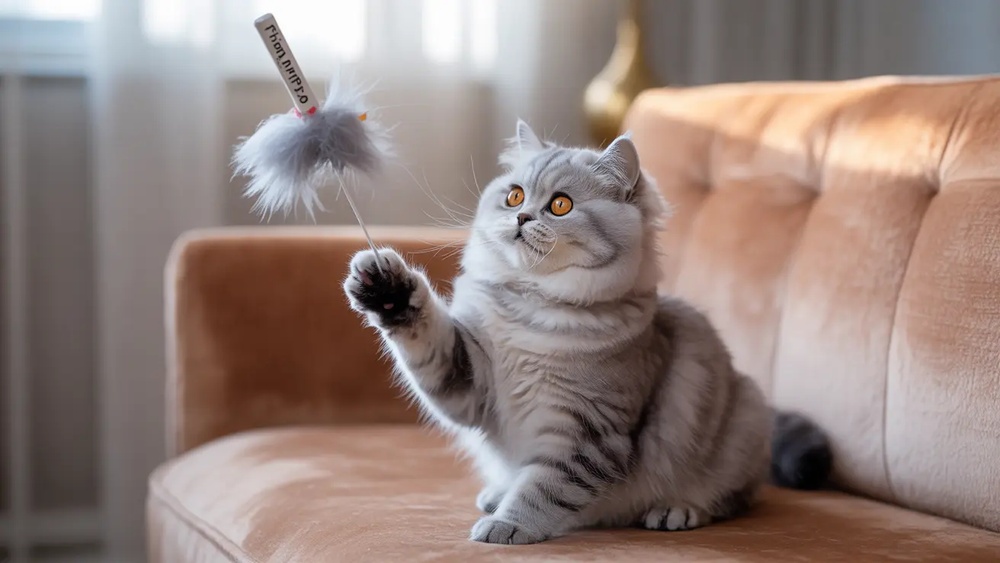
Have you ever bought a toy for your cat, only to watch it ignore the new gift completely? It can be confusing and even a bit frustrating.
You might wonder, “Why do cats not like toys? ” Understanding your cat’s behavior can help you connect better with your furry friend and find ways to keep them entertained. You’ll discover surprising reasons behind your cat’s disinterest in toys and learn simple tricks to spark their playfulness again.
Keep reading—your cat’s happiness might depend on it!

Credit: www.amazon.com
Cats And Toy Preferences
Cats do not always enjoy toys like dogs or children do. Each cat has its own likes and dislikes about playthings. Understanding their toy preferences helps improve their playtime and happiness.
Several reasons explain why some cats ignore toys. These include their natural instincts, senses, and personality traits. Let’s explore these factors to better understand cats and toys.
Natural Hunting Instincts
Cats are born hunters. They look for movement and sounds that mimic prey. Toys that do not move or make noise may fail to catch their interest. Slow or unnatural motions can confuse or bore them. Toys that resemble small animals or insects often spark more play.
Sensory Sensitivities
Cats have very sharp senses. Loud noises or strong smells from toys can scare them. Some textures feel strange or unpleasant to their paws. Cats may avoid toys that do not feel natural or safe. Soft, quiet, and lightly scented toys usually work best.
Individual Personality Traits
Every cat has a unique personality. Some are playful and curious. Others prefer calm and quiet activities. Age, mood, and health also affect their toy interest. Observing your cat helps find toys they truly enjoy. Patience and variety often lead to success.
Common Toy Issues
Cats can be picky about their toys. Many toys do not match what cats want to play with. Toys that fail to catch a cat’s interest often share common problems. These problems make cats ignore or avoid toys altogether.
Lack Of Realism
Cats prefer toys that look and move like real animals. Toys that are too simple or do not mimic prey lose a cat’s attention. A toy that does not feel like a real catch is boring to cats.
Unappealing Textures
Cats like toys with textures they can bite and scratch. Soft or hard toys without interesting textures do not excite cats. The wrong texture makes toys less fun and less inviting.
Noisy Or Distracting Features
Some toys make loud noises or have flashy parts. These features can scare or annoy cats instead of attracting them. Cats prefer quiet, subtle toys that feel safe to play with.
Environmental Factors
Environmental factors play a big role in why some cats avoid toys. Cats react to their surroundings. Changes or issues in their environment can affect their interest in play. Understanding these factors helps to know your cat better.
Stress And Anxiety
Cats feel stress from loud noises or new places. Stress makes them less likely to play. Anxiety can cause hiding or refusing toys. A calm space helps cats feel safe and open to play.
Lack Of Stimulation
Some cats live in boring or quiet homes. Without new sights or sounds, they get bored. This boredom can make toys seem dull or uninteresting. Introducing variety can spark their curiosity again.
Previous Negative Experiences
Cats remember bad experiences with toys. A rough play session or scary toy can cause fear. This fear stops them from trying new toys. Gentle, patient play helps rebuild trust slowly.

Credit: www.amazon.com
How To Choose The Right Toy
Choosing the right toy for your cat can make a big difference in their interest and playtime. Cats have unique preferences that affect how they play. Knowing what to consider helps you pick toys they will enjoy. Focus on how toys match their natural hunting instincts and comfort.
Mimicking Prey Movement
Cats love toys that move like real prey. Toys that wiggle, flutter, or dart catch their attention. This movement triggers their hunting instincts. Simple, quick motions keep cats curious and engaged. Toys that stay still often fail to excite cats.
Material And Size Considerations
Choose toys made from safe, durable materials. Soft fabrics and feathers often appeal to cats. Avoid toys that are too big or too small. Small toys can be swallowed accidentally. Large toys can be hard to carry or bat around. The right size makes play safe and fun.
Interactive Play Benefits
Interactive toys build a bond between you and your cat. Wand toys and laser pointers invite your cat to chase and pounce. These toys encourage exercise and mental stimulation. Playing together reduces boredom and stress. Interaction keeps your cat happy and healthy.
Alternatives To Traditional Toys
Cats may ignore traditional toys for many reasons. Some toys do not match their natural hunting instincts. Others may lack the right texture or movement to attract cats. Finding alternatives can keep cats happy and active.
These alternatives use simple materials or interactions. They engage a cat’s mind and body in fresh ways. Owners can try new ideas to see what their cat enjoys most.
Diy Toys And Household Items
Many cats love homemade toys made from household items. A crumpled paper ball can become a fun chase toy. Cardboard boxes turn into cozy hiding spots and play areas. String or yarn (used safely) can mimic prey movements. These items often excite cats more than store-bought toys.
Interactive Games And Puzzles
Interactive games challenge a cat’s mind and senses. Puzzle feeders require cats to work for treats. This stimulates hunting behavior and prevents boredom. Laser pointers create quick movements that attract cats. Moving toys that mimic small animals also keep cats interested.
Social Play With Owners
Many cats enjoy playing with their owners more than toys. Gentle chasing or feather wand games build trust and fun. Talking softly and using slow movements can invite play. Regular play sessions strengthen the bond between cat and owner. This social time often makes cats happier and more active.
Credit: www.businessinsider.com
Frequently Asked Questions
Why Do Some Cats Ignore Toys Completely?
Cats may ignore toys due to lack of interest or insufficient stimulation. Toys might not mimic real prey, causing disinterest. Some cats prefer interaction over objects. Health issues or stress can also reduce playfulness. Understanding your cat’s preferences helps in choosing engaging toys.
Can Boredom Affect A Cat’s Toy Preference?
Yes, boredom can make cats less interested in toys. Repetitive or unchallenging toys fail to engage their hunting instincts. Rotating toys and introducing new ones can renew interest. Mental stimulation and playtime variety prevent boredom and encourage active play.
Do Cats Prefer Interactive Toys Over Static Ones?
Many cats prefer interactive toys that mimic prey movements. These toys stimulate hunting instincts and keep cats engaged longer. Static toys may not provide enough challenge or excitement. Interactive play also strengthens the bond between cat and owner.
How Does A Cat’s Personality Impact Toy Liking?
A cat’s personality greatly affects toy preference. Some cats are naturally more playful and curious. Others may be shy or independent, showing less interest in toys. Tailoring toys to your cat’s temperament enhances engagement and enjoyment.
Conclusion
Cats have their own reasons for avoiding toys. Sometimes, toys do not match their natural hunting instincts. Other times, cats prefer real movement or quiet moments. Patience and observation help find what your cat enjoys. Try different toys and see what sparks interest.
Understanding your cat’s unique personality is key. Play should be fun and stress-free for both. Keep exploring and respect your cat’s choices. This way, you build a stronger bond every day.