
Have you ever noticed your dog or cat acting uneasy or even upset after a grooming session near their rear end? You’re not alone.
Many pet owners wonder why their furry friends seem to dislike having their butts groomed. It’s not just about cleanliness—there’s a lot going on beneath the surface that affects how your pet feels during this process. If you want to understand your pet better and make grooming easier for both of you, keep reading.
This article will reveal the surprising reasons behind this common pet behavior and offer tips to help your dog or cat feel more comfortable.

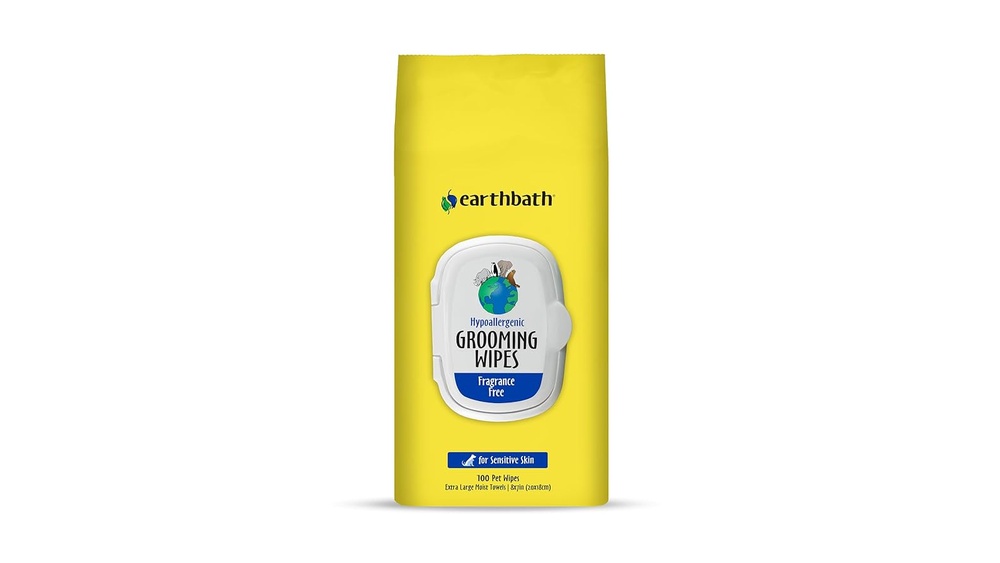
Credit: www.amazon.com
Reasons Pets Dislike Butt Grooming
Many dogs and cats feel uneasy during butt grooming. This part of their body is very sensitive. Grooming here can cause discomfort and stress. Understanding why pets dislike this helps owners handle grooming better.
Sensitivity Of The Area
The area around the pet’s rear has many nerves. These nerves make the skin very sensitive. Touch here feels stronger than on other body parts. Pets react quickly to any touch or movement.
Uncomfortable Sensations
Grooming tools can cause strange feelings. Clippers or scissors near the skin may feel scary or ticklish. Pets may feel pain if hair pulls or skin gets pinched. These sensations make pets want to avoid grooming.
Loss Of Scent Marking
Pets use scent glands near their rear to mark territory. Grooming removes some of their scent. This loss can confuse or upset pets. They rely on these scents for comfort and communication.

Credit: www.walmart.com
Behavioral Reactions To Grooming
Dogs and cats often show strong reactions to grooming, especially around sensitive areas like their rear end. Their behavior during grooming reflects how they feel inside. Understanding these reactions helps pet owners handle grooming better and keep pets calm.
Fear And Anxiety
Many pets feel scared during grooming near their back end. This spot is very sensitive and hard to reach. Fear can come from past bad experiences or unfamiliar touch. When anxious, pets may freeze, tremble, or try to escape. These signs show they feel unsafe and stressed.
Aggressive Responses
Some pets react with growling, biting, or scratching. Aggression often comes from feeling threatened. Grooming can feel like an invasion of their personal space. These behaviors warn owners to stop and be more gentle. Aggression is a clear sign that the pet is uncomfortable.
Avoidance Behavior
Pets may hide or run away to avoid grooming. They learn to stay away from places or people who cause discomfort. Avoidance can make regular grooming harder. Patience and slow, calm handling help pets feel safer. Building trust reduces this behavior over time.
Health And Hygiene Factors
Health and hygiene play a big role in why dogs and cats dislike butt grooming. This area is very sensitive and important for their well-being. Proper care helps prevent infections and keeps them comfortable. Pets often feel uneasy during grooming because this spot is delicate and private.
Importance Of Cleanliness
Keeping the rear area clean stops bacteria from building up. Dirt and waste can cause bad smells and skin problems. Grooming helps remove hair that traps dirt and moisture. Cleanliness reduces the chance of infections and keeps pets healthy.
Potential Pain Or Irritation
The skin around the rear is thin and sensitive. Grooming can cause pain if done roughly or too often. Clippers or scissors might pinch or scratch the skin. Pets may feel stressed or scared due to this discomfort.
Signs Of Infection Or Discomfort
Watch for redness, swelling, or unusual odors near the rear. Pets might lick or bite the area more than usual. These signs show irritation or infection. Early care stops problems from getting worse and helps pets feel better.
Tips For Stress-free Grooming
Grooming pets, especially around sensitive areas, can be stressful for both animals and owners. Many dogs and cats dislike having their rear end cleaned or trimmed. This section offers simple tips to make grooming easier and calmer. These steps help your pet stay relaxed and safe during grooming.
Preparing Your Pet
Start by creating a quiet, calm space for grooming. Let your pet sniff and explore grooming tools first. Use soft voices and gentle touches to build trust. Short, frequent sessions work better than long ones. Give treats to reward good behavior. Regular handling of the pet’s rear area before grooming helps them get used to it.
Using Gentle Techniques
Use a soft brush or comb designed for sensitive skin. Trim fur slowly and carefully to avoid pulling hair. Hold your pet gently but firmly to prevent sudden movements. Avoid sudden loud noises or fast hand movements. If your pet shows signs of stress, pause and comfort them. Use warm water and mild shampoo if bathing is needed. Dry the area softly with a towel afterward.
When To Seek Professional Help
Some pets need expert care for grooming, especially near sensitive areas. If your pet is too anxious or aggressive, call a professional groomer. Professionals have tools and skills to handle difficult pets safely. They can also spot health issues like infections or parasites. Visit a vet or groomer regularly to keep your pet healthy and comfortable.
Common Myths About Butt Grooming
Many pet owners hear mixed opinions about butt grooming for dogs and cats. Some believe it is necessary for cleanliness. Others think it causes discomfort or is unnatural. These ideas create confusion. Let’s clear up some common myths about butt grooming.
Misconceptions About Hygiene
People often think pets need butt grooming to stay clean. Pets usually clean themselves well. Cats lick their fur and rear areas regularly. Dogs also keep clean with natural habits. Grooming the butt area too much can irritate the skin. It might even cause infections if done incorrectly.
Grooming And Pet Behavior
Some believe pets hate grooming because it hurts. Many pets dislike the sensation of being touched near sensitive spots. The discomfort is not always about pain. It can be about feeling vulnerable. Animals protect these areas naturally. Sudden human touch can cause stress or fear in them.
Natural Grooming Vs. Human Intervention
Pets have evolved to groom themselves naturally. Their tongues and paws help keep the body clean. Human grooming is often unnecessary unless there is a medical need. Overgrooming or trimming can remove protective fur. This exposes skin to dirt and infections. Letting pets groom naturally is usually best.

Credit: www.walmart.com
Frequently Asked Questions
Why Do Dogs Dislike Butt Grooming?
Dogs often feel vulnerable during butt grooming. This area is sensitive and close to vital organs, causing discomfort or anxiety. Grooming here can trigger fear or stress, making dogs resistant to the process.
Why Are Cats Scared Of Butt Grooming?
Cats have sensitive nerve endings near their rear. Grooming this area can cause pain or irritation. Additionally, cats dislike being restrained, increasing their fear and resistance to butt grooming.
Can Butt Grooming Cause Health Issues In Pets?
Improper butt grooming may lead to skin irritation or infections. Using sharp tools or harsh chemicals can harm sensitive skin. Proper technique and gentle care are essential to avoid health problems.
How Can I Make Butt Grooming Less Stressful?
Use calm tones and gentle touch during grooming. Introduce grooming gradually to build trust. Reward your pet with treats and breaks to reduce anxiety and improve cooperation.
Conclusion
Dogs and cats feel vulnerable when groomed near their rear. This area is sensitive and private for them. They may react with discomfort or stress during grooming. Understanding their feelings helps build trust and care. Gentle handling and patience make grooming easier for pets.
Respecting their boundaries keeps them calm and happy. Remember, pets rely on us for safety and comfort. Treat them kindly, and grooming becomes a positive experience.