
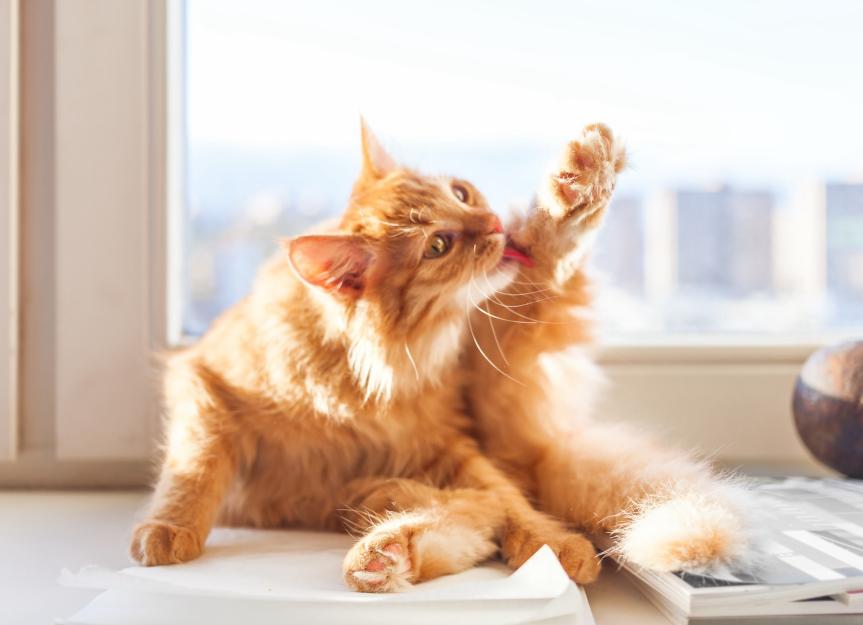
Have you noticed your cat spending a lot of time licking and cleaning himself? You might wonder, “Why does my cat incessantly groom himself?” It’s a common behavior, but when it becomes constant, it can leave you worried.
Understanding why your furry friend grooms so much can help you keep him happy and healthy. You’ll discover the surprising reasons behind this nonstop grooming and what you can do to support your cat. Keep reading to learn how to tell if your cat’s grooming is normal or a sign of something more serious.
Normal Grooming Habits
Cats spend a lot of time grooming themselves every day. This behavior is normal and helps them stay clean. Grooming is more than just keeping their fur neat. It plays a big role in their health and comfort.
Understanding normal grooming habits can help you know when your cat is healthy or if there might be a problem. Cats have a natural routine they follow, and this routine helps them feel good.
Daily Grooming Routine
Cats groom themselves several times a day. They use their tongue to lick their fur and clean dirt or loose hair. This routine takes up to 50% of their waking hours. Grooming also helps cats cool down in warm weather. It keeps their fur smooth and free from tangles. It is common for cats to groom after eating or waking up.
Benefits Of Grooming
Grooming helps remove dirt, parasites, and dead skin. It also spreads natural oils across the fur. These oils keep the coat shiny and water-resistant. Grooming reduces stress and calms cats. It can also help them bond with other cats if they groom each other. Healthy grooming habits show your cat is feeling well and relaxed.

Credit: www.reddit.com
Stress And Anxiety
Cats often groom themselves to stay clean. But sometimes, grooming becomes a way to cope with stress and anxiety. Stress can make your cat lick or bite its fur too much. This behavior helps them feel calmer for a short time.
Stress in cats can come from many places. Changes in the home, loud noises, or new pets can all cause worry. When a cat feels anxious, grooming becomes a way to deal with those feelings.
Signs Of Stress In Cats
Watch for changes in your cat’s behavior. Hiding more than usual is one sign. Your cat may also lose interest in playing or eating. Some cats grow tense or twitch their tails. Excessive vocalization or restlessness can also mean stress.
How Stress Triggers Grooming
Stress triggers a cat’s natural grooming instinct. Grooming releases calming chemicals in the brain. It helps distract the cat from feeling anxious. Too much grooming can cause hair loss and skin problems. This shows that stress is affecting your cat deeply.
Medical Issues
Cats groom themselves a lot. Sometimes, this behavior points to health problems. Medical issues can make your cat lick or scratch more than usual. Watch closely to keep your cat healthy and happy.
Skin Allergies And Irritations
Skin allergies cause itching and discomfort. Cats may lick or scratch to ease the irritation. Allergies can come from food, pollen, or cleaning products. Constant grooming can lead to red, sore patches on the skin. It is important to check your cat’s skin regularly.
Parasite Infestations
Parasites like fleas or mites cause intense itching. Cats often groom to remove these pests. Flea bites cause small red bumps and hair loss. Mites can cause scabs and crusty skin. Treating parasites quickly stops the itching and grooming cycle.
Pain And Discomfort
Pain can make cats lick certain body parts. Joint or muscle pain may cause focused grooming. Cats may lick wounds or sores to soothe pain. Over-grooming can damage the skin and fur. A vet visit can help find and treat the pain source.

Credit: www.amazon.com
Behavioral Causes
Cats groom themselves to stay clean and comfortable. Sometimes, grooming can become a habit that lasts too long. This behavior often has roots in how your cat feels or what it experiences daily. Understanding these reasons helps you support your cat better.
Compulsive Grooming
Compulsive grooming happens when a cat cleans itself too much. This can cause skin problems or bald spots. Stress or anxiety often triggers this behavior. Cats may groom to calm themselves down. It becomes a cycle that is hard to stop. Recognizing this early can prevent serious issues.
Boredom And Lack Of Stimulation
Cats need mental and physical activity every day. Without enough play or interaction, they feel bored. Grooming can fill the empty time and give a false sense of comfort. Bored cats may groom in a repetitive, restless way. Providing toys and playtime reduces this behavior. It keeps your cat happy and healthy.
Environmental Factors
Cats groom themselves to stay clean and healthy. But too much grooming can mean something is wrong. Environmental factors often play a big role in this behavior. Changes around your cat can cause stress or discomfort. This can lead to more grooming than usual.
Changes In Surroundings
Cats are sensitive to changes in their environment. Moving to a new home can upset them. New furniture or smells can also cause stress. This stress may make cats groom themselves more often. Grooming helps them feel calm and safe.
Even small changes, like different sounds or lights, can affect cats. They use grooming to cope with these changes. Watch your cat closely after any changes. Notice if grooming increases or seems obsessive.
Impact Of Other Pets
Other pets in the house can affect your cat’s grooming. Cats may groom more to show submission or calm themselves. New pets can cause anxiety or competition. This often leads to excessive grooming.
Sometimes cats groom themselves to avoid conflict or stress from other animals. Pay attention to how your cat acts around other pets. If grooming grows intense, your cat might feel uneasy.
When To See A Vet
Sometimes, a cat’s grooming is more than just normal cleaning. Excessive licking or biting may signal health issues. Knowing when to see a vet helps protect your cat’s well-being. Early care can stop problems from getting worse.
Warning Signs
Watch for bald spots or red, irritated skin. Constant scratching or biting at one area is a concern. Your cat may also lose fur or develop scabs. Changes in behavior, like hiding or less play, matter too. These signs suggest discomfort or pain.
Diagnosis And Treatment Options
A vet will examine your cat’s skin and fur. They may do tests for allergies, parasites, or infections. Blood work can check for internal problems. Treatment depends on the cause found. Options include medication, special shampoos, or diet changes. Follow the vet’s advice closely for best results.
Tips To Reduce Excessive Grooming
Excessive grooming in cats can cause skin problems and discomfort. Reducing this behavior helps keep your cat healthy and happy. Some simple changes and care can make a big difference. Try these tips to help your cat groom less and feel better.
Enriching The Environment
Offer toys and scratching posts to keep your cat busy. Cats need mental and physical activity every day. Change toys often to keep their interest alive. Create safe spaces for your cat to relax and hide. A happy cat grooms less because it feels safe.
Stress Reduction Techniques
Stress can cause your cat to groom too much. Keep a calm and quiet home to reduce anxiety. Play soothing music or use pheromone diffusers designed for cats. Spend time petting and talking softly to your cat. These actions help your cat feel calm and secure.
Medical Care And Management
Visit the vet to check for allergies or skin infections. Some health problems cause itching and over-grooming. Your vet may suggest medicine or special shampoo. Follow the vet’s advice to control your cat’s grooming habits. Regular health checks prevent serious skin issues.
Credit: www.petmd.com
Frequently Asked Questions
Why Does My Cat Groom Excessively?
Cats groom excessively due to stress, allergies, or skin infections. Over-grooming can signal discomfort or anxiety. Observe your cat’s behavior and consult a vet if grooming seems compulsive or causes hair loss.
Can Grooming Indicate Cat Health Problems?
Yes, excessive grooming may indicate health issues like parasites, allergies, or pain. It helps identify underlying problems early. Regular vet checkups can diagnose and treat these causes effectively.
How To Stop My Cat From Over-grooming?
Identify stressors or allergies causing over-grooming. Provide environmental enrichment and calm spaces. Consult your vet for medical treatment or behavioral therapy to reduce excessive grooming safely.
Is Excessive Grooming Normal For Cats?
Occasional grooming is normal, but excessive grooming is not. It may signal health or emotional issues. Monitor frequency and seek veterinary advice if grooming disrupts your cat’s well-being.
Conclusion
Cats groom themselves to stay clean and calm. Sometimes, too much grooming means stress or health issues. Watch your cat’s behavior closely and check for skin problems. A visit to the vet can help find the cause. Helping your cat feel safe and comfortable is important.
Understanding why your cat grooms can improve their well-being. Keep their environment calm and provide regular care. Small changes can make a big difference for your cat’s happiness.