
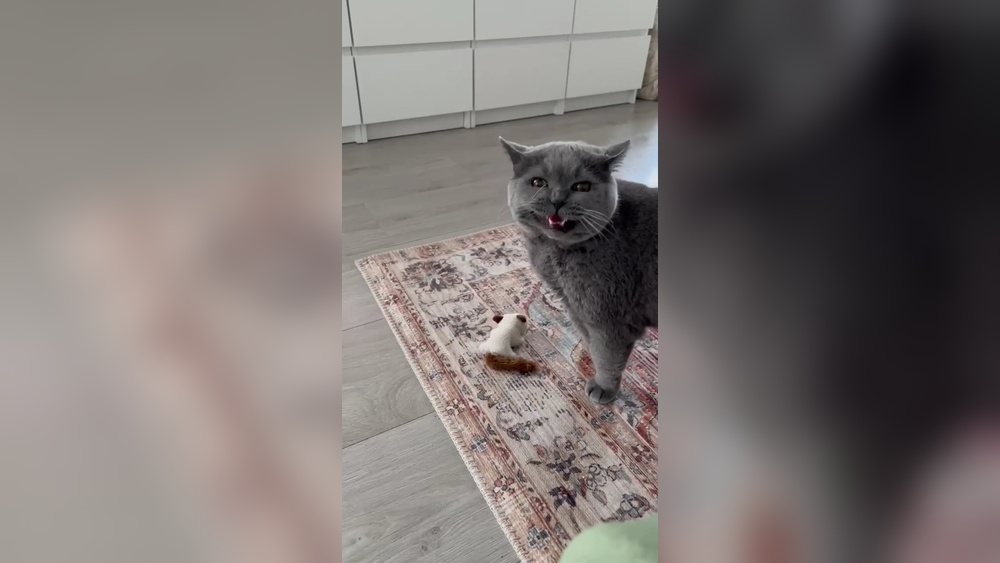
Have you ever noticed your cat crying while playing with toys and wondered why? It can be puzzling and even a little worrying to hear those little sounds during what should be a fun time.
Understanding why your furry friend reacts this way can help you make playtime better for both of you. Keep reading to discover the surprising reasons behind your cat’s cries and how you can respond to make sure your pet feels safe, happy, and loved.

Credit: www.reddit.com
Cat Vocalizations During Play
Cats use sounds to communicate many feelings during playtime. These sounds help express excitement, frustration, or curiosity. Understanding these vocalizations can improve your bond with your cat.
Watching your cat play and listening to their sounds gives clues about their mood. It also shows how they interact with their toys and environment.
Types Of Cat Sounds
Cats make different sounds while playing. Some common ones are chirps, meows, and growls.
Chirps often show excitement or interest in a toy. Meows can mean your cat wants attention or is inviting you to join. Growls or hisses may appear if your cat feels frustrated or threatened.
Normal Vs. Unusual Crying
Normal crying during play is usually short and linked to fun or mild frustration. It stops when the play ends or changes.
Unusual crying is loud, long, or sounds painful. It might mean your cat is hurt or scared. Watch for signs like limping or hiding. Consult a vet if this happens often.
Emotional Triggers Behind Crying
Cats use many ways to show their feelings. Crying during play can mean strong emotions inside your cat. These sounds are not always about pain or fear. Sometimes, they show how your cat feels while playing.
Understanding these emotional triggers helps you connect better with your pet. It also guides you to respond in a way that makes playtime fun and safe.
Excitement And Overstimulation
Play excites cats a lot. Their hunting skills come alive with toys. This excitement can make them vocal. The crying is a sign of joy and energy.
But too much excitement can lead to overstimulation. The cat may cry because it feels overwhelmed. It is like a human shouting in excitement or stress. Watch for signs like quick movements and sudden stops. These show your cat needs a break.
Frustration And Play Aggression
Cats want to catch their toys. Sometimes, they fail to grab them. This can cause frustration. Crying might be your cat’s way to express this feeling.
Play aggression happens when frustration grows. Your cat may bite or scratch the toy harder. The cries show they want to win or get attention. Knowing this helps you calm your cat down. Use gentler toys or shorter play sessions.
Physical Causes To Consider
Cats may cry during play due to physical causes affecting their comfort. Understanding these reasons helps you support your cat’s health and happiness. Watch your cat closely for any signs of discomfort or distress.
Injury Or Pain
Cats can hurt themselves while playing with toys. A sharp toy or rough play might cause cuts or bruises. Pain makes cats vocalize more than usual. Limping, avoiding the toy, or hiding are warning signs. Take your cat to the vet if you notice these signs.
Sensory Sensitivities
Some cats have sensitive paws or whiskers. Toys with certain textures may feel uncomfortable. Loud noises from toys can scare or annoy them. Sensory overload can cause your cat to cry. Choose soft, quiet toys to reduce stress during play.
Communication Through Play
Cats use play to talk with us and with other animals. Crying during play is one way they show feelings. It is their way of saying something without words. Understanding this helps build a stronger bond with your cat.
Seeking Attention
Sometimes your cat cries to get your focus. They want you to join the fun or watch them. Crying can mean, “Look at me!” or “Play with me now!” This shows they feel lonely or want company.
Expressing Needs Or Discomfort
Crying during play may mean your cat feels pain or stress. A toy might be too hard or sharp for them. Or they might be tired and want to stop. Listen to their cries to know what they need.
Impact Of Toy Type And Environment
Cats show different reactions depending on the toys they play with and the space around them. The type of toy and the play environment can change how a cat behaves, including why it cries during play. Understanding these factors helps explain your cat’s sounds and actions. Both toy preference and the setup of the play area affect your cat’s comfort and excitement levels.
Preferred Toys And Crying Behavior
Cats may cry when playing with toys that trigger strong feelings. Some toys mimic prey, like small mice or feathers. These toys can make a cat feel excited or frustrated, causing vocal sounds. Soft toys may lead to less noise because they seem less real. Noisy toys, like ones with bells, might also make cats cry more. A cat’s personality influences which toy causes more crying. Active cats may cry more with moving toys that challenge their hunting skills.
Effect Of Play Space Setup
The place where your cat plays changes how it acts. A quiet, safe area makes your cat feel calm and less likely to cry. Crowded or noisy rooms might stress your cat, leading to more vocalization. Cats like spaces with hiding spots or high places nearby. These areas help them feel in control and reduce anxious cries. Bright lights or too many people around can distract your cat. A well-arranged play space encourages happy and peaceful playtime.
Credit: www.reddit.com
When To Consult A Veterinarian
Knowing when to consult a veterinarian is important if your cat cries while playing. Some crying is normal, but it can also signal pain or illness. Watching your cat’s behavior closely helps you decide if a vet visit is necessary.
Signs Of Distress
Look for signs like limping or favoring one paw during play. Excessive vocalizing or sudden crying can show discomfort. If your cat stops playing or hides often, this may mean pain. Swelling, redness, or wounds on paws need immediate attention. These signs suggest your cat needs a veterinarian’s care.
Behavioral Changes
Notice changes in eating or sleeping habits alongside crying. A normally active cat that becomes quiet may feel unwell. Aggression or irritability during play can indicate discomfort. Loss of interest in toys also signals a problem. Behavioral shifts often point to health issues requiring vet advice.
Tips To Reduce Crying During Play
Many cat owners find it confusing when their pets cry during playtime. Understanding why this happens helps you make playtime more fun and less stressful. Simple changes can reduce your cat’s crying and keep play enjoyable for both of you.
Choosing The Right Toys
Pick toys that match your cat’s size and energy. Soft toys prevent injury and discomfort during play. Avoid noisy or sharp toys that might scare or hurt your cat. Rotate toys often to keep your cat interested and happy.
Creating A Comfortable Play Environment
Set up a quiet and safe space for play. Avoid bright lights and loud sounds that might upset your cat. Use soft mats or rugs to cushion falls and jumps. A calm area helps your cat feel safe and relaxed.
Monitoring Play Sessions
Watch your cat closely during play. Stop play if your cat cries or shows stress signs. Keep sessions short to avoid tiring your cat. Gradually increase playtime as your cat gets more comfortable.

Credit: www.reddit.com
Frequently Asked Questions
Why Does My Cat Cry While Playing With Toys?
Cats may cry during play to express excitement or frustration. It can also signal overstimulation or discomfort. Observing your cat’s behavior helps identify the cause and ensures their playtime remains safe and enjoyable.
Is Crying Normal When Cats Play With Toys?
Yes, some cats vocalize during play to communicate emotions. Crying can indicate joy, hunting instincts, or seeking attention. However, sudden or excessive crying may need veterinary attention.
How Can I Stop My Cat From Crying During Play?
Use interactive toys and gentle play to reduce stress. Avoid overstimulating your cat and provide breaks during play sessions. Consistent positive interaction helps minimize crying.
Could My Cat’s Crying Indicate Pain During Play?
Yes, crying might indicate pain or injury during play. Watch for limping, sensitivity, or unusual behavior. Consult a vet if pain signs appear to ensure your cat’s health.
Conclusion
Cats may cry during play to show excitement or ask for attention. Sometimes, they feel a bit frustrated or want to share their feelings. Watching your cat closely helps you understand these sounds better. Playing gently and choosing the right toys can reduce crying.
Every cat is unique, so patience is key. Remember, these sounds are part of how your cat talks to you. Enjoy the moments and learn from your cat’s playful cries. They help build a stronger bond between you both.