
Have you ever noticed your cat yowling while carrying a toy in its mouth? It’s a strange sound that can leave you wondering what’s really going on inside your furry friend’s mind.
You might think it’s just playtime noise, but there’s more to this behavior than meets the eye. Understanding why your cat yowls with a toy can help you connect better and respond to their needs. Keep reading to discover the surprising reasons behind this curious habit and how it reflects your cat’s feelings and instincts.
Credit: www.catster.com
Yowling And Cat Behavior
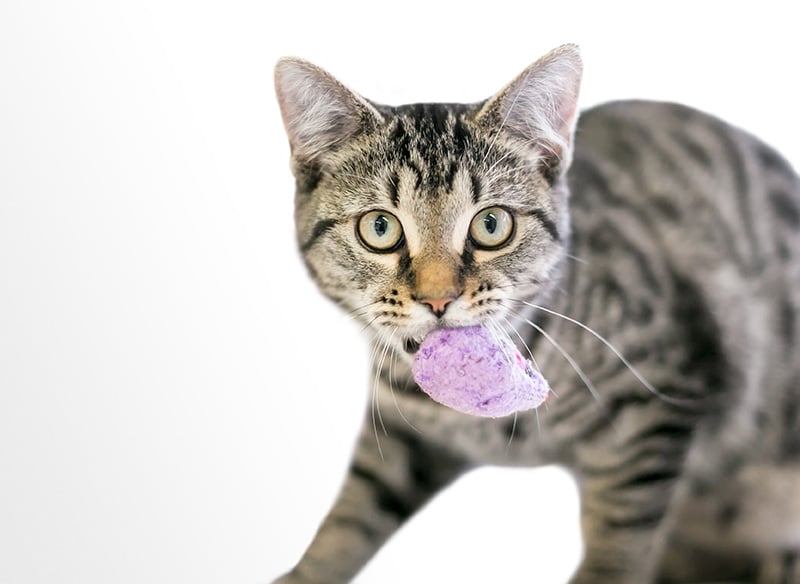
Cats use yowling to communicate many feelings and needs. It is a loud, drawn-out sound that grabs attention. When a cat yowls with a toy in its mouth, it shows a mix of emotions and instincts.
Understanding yowling helps you know your cat better. It reveals what your cat feels or wants. Observing this behavior can improve your bond and help respond properly.
What Yowling Means
Yowling often means your cat wants to say something important. It can signal excitement, frustration, or a call for attention. Cats may yowl to show pride in catching a toy. It mimics their hunting success in the wild.
Sometimes, yowling means your cat feels lonely or wants to play. It is their way of sharing emotions without words. Each cat has a unique yowl sound with different meanings.
Common Yowling Triggers
Many things can trigger yowling when cats hold toys. Hunger or boredom often causes this behavior. Your cat might want you to join their playtime.
Stress or discomfort also leads to yowling. Cats may feel insecure or want reassurance. Another trigger is seeking attention from their owner.
Yowling can also happen when a cat feels proud. They show off their “catch” to you or other pets. This behavior is natural and part of their play instincts.

Credit: ohmydogblog.com
Toy Carrying Habits
Cats often carry toys in their mouths. This habit shows their natural behavior. They treat toys like prey or treasures. Understanding this habit helps owners connect with their cats better.
Carrying toys is more than just play. It links to deep instincts and preferences. These habits reveal how cats think and feel.
Instincts Behind Carrying Toys
Cats are hunters by nature. Carrying toys mimics carrying prey. This behavior comes from their wild ancestors. It is a way to show hunting skills. Some cats bring toys to their owners. This act is similar to sharing a catch. It shows trust and bonding. Sometimes, carrying toys helps cats feel safe. Toys become comfort objects, like a baby’s blanket.
Types Of Toys Cats Prefer
Cats choose toys that resemble prey. Small, soft toys are favorites. Toys shaped like mice or birds attract them. Toys with feathers or strings are also popular. Cats like toys they can easily carry. Lightweight toys fit well in their mouths. Some cats prefer noisy toys. The sounds remind them of real animals. Different cats have different preferences. Observing your cat’s choice helps find the best toys.
Reasons For Yowling With Toys
Cats yowl with toys in their mouths for several reasons. This behavior can seem odd but has clear meanings. Understanding why helps you connect better with your pet. Below are common reasons cats yowl while carrying toys.
Seeking Attention
Cats yowl to get your attention quickly. They want you to notice them and join their play. Carrying a toy is a way to invite interaction. The yowl acts like a call for you to come and play.
Expressing Possession
Yowling shows a cat owns the toy. It is their way to claim it loudly. This behavior means they want to keep the toy safe. Other pets or people should know it belongs to them.
Hunting Simulation
Cats often carry toys like prey. Yowling mimics sounds they might make in the wild. It is part of their natural hunting behavior. This helps them practice skills and stay active.
Stress Or Anxiety Signals
Sometimes, cats yowl with toys when feeling stressed. The toy provides comfort and security during uneasy times. Yowling may help release tension or express discomfort. It is a sign to watch their mood closely.
Credit: www.petscare.com
How To Respond To Yowling
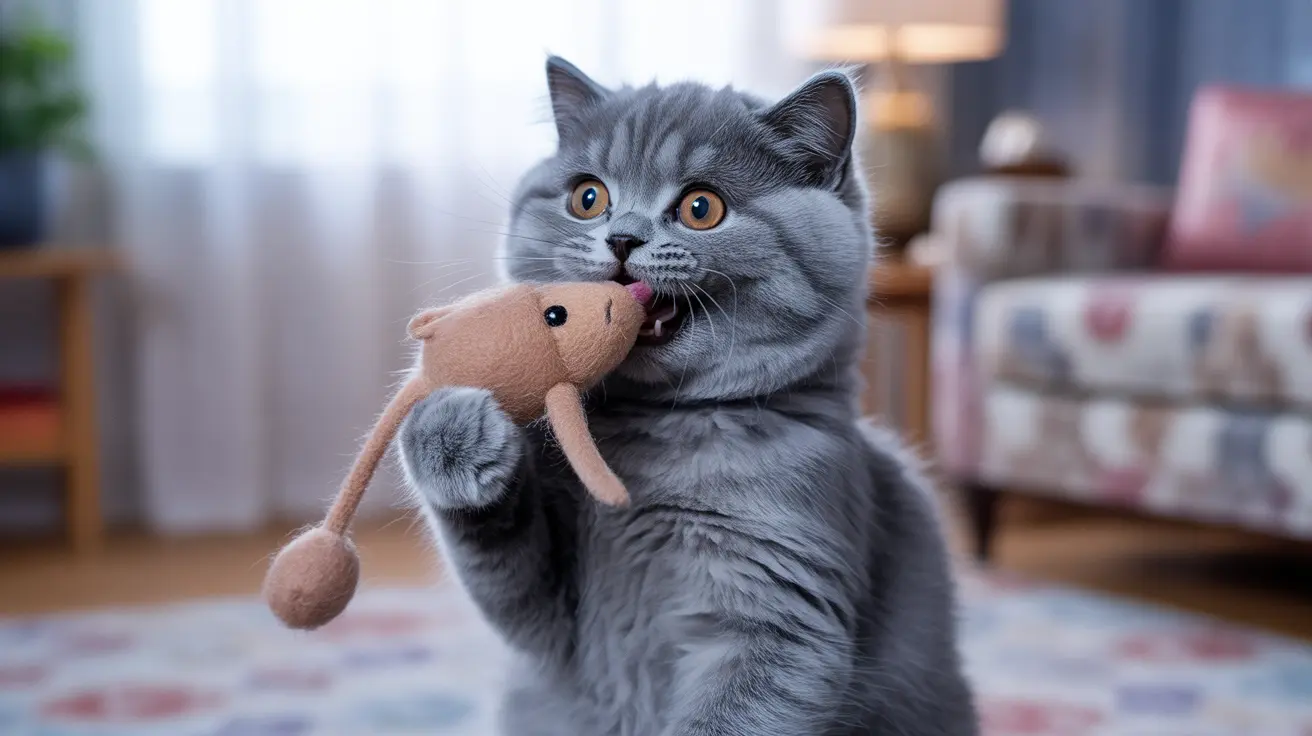
Understanding how to respond to your cat’s yowling with a toy in its mouth helps build a better bond. Cats use yowling to communicate many things, such as excitement, frustration, or a call for attention. Your response can guide your cat’s behavior and make playtime more enjoyable for both of you.
Encouraging Positive Play
Join your cat in play by moving the toy gently. Praise your cat with a soft voice when it plays quietly. This teaches your cat that calm play brings rewards. Use interactive toys like feathers or strings to keep your cat interested. Short, frequent play sessions work best to prevent overexcitement.
Avoiding Reinforcement Of Yowling
Ignore your cat’s yowling while holding the toy. Giving attention during yowling can make it happen more. Wait for your cat to stop yowling before you play. Reward quiet behavior with petting or treats. This helps your cat learn that silence leads to fun.
Providing Mental Stimulation
Offer puzzle feeders or toys that challenge your cat’s mind. Cats feel less frustrated with mental exercise. Change toys often to keep your cat curious. Hide toys around the house for your cat to find. This keeps playtime fresh and stops boredom.
When Yowling Indicates A Problem
Sometimes, a cat yowling with a toy in its mouth signals more than play. This sound can mean the cat feels pain or discomfort. It is important to notice such signs early. Cats cannot speak, so they use sounds to express their feelings. Yowling during play might be normal, but it can also be a warning.
Pay attention to how often and how loudly your cat yowls. Sudden changes in behavior are important to note. These clues help identify if your cat needs help from a vet.
Signs Of Discomfort Or Pain
A cat in pain may yowl loudly or often while holding a toy. Watch for limping or difficulty moving. The cat might avoid using one side of its body. Changes in eating or drinking habits can also show pain. Sometimes, cats groom less or over-groom a sore spot. A toy might become a way to distract from pain.
Behavioral Changes To Watch For
A normally playful cat that suddenly yowls with a toy may feel stressed. It might hide more than usual or avoid contact. Aggression or irritability can increase. Sleep patterns may change, with the cat sleeping more or less. Loss of interest in toys and play is a red flag. These changes suggest the cat needs attention and care.
Frequently Asked Questions
Why Do Cats Yowl While Holding Toys?
Cats yowl with toys to express excitement or mimic hunting. It’s their way of showing pride or calling attention. This behavior reflects their natural instincts and playful mood.
Is Yowling With A Toy Normal Cat Behavior?
Yes, yowling with toys is normal. It signals a cat’s hunting instincts, playfulness, or desire for interaction. This vocalization helps cats communicate their feelings effectively.
What Does Yowling Indicate About My Cat’s Mood?
Yowling usually indicates excitement, frustration, or a call for attention. When paired with a toy, it often means your cat is engaged and stimulated. It’s a sign of emotional expression.
Can Yowling With Toys Show Territorial Behavior?
Sometimes, yes. Cats may yowl with toys to assert ownership or dominance. This behavior is a natural way to protect their “prey” and environment from others.
Conclusion
Cats yowl with toys to show pride or seek attention. This behavior connects them to their natural hunting instincts. They want you to notice their “catch” and join the fun. Sometimes, it’s a call for play or care. Understanding this helps build a stronger bond with your pet.
Watching and listening to your cat can reveal their feelings. Each yowl tells a small story. Enjoy these moments—they show your cat’s unique personality.